The Catalan political scene was unexpectedly energized after the events involving the detention of the Global Sumud vessel and the arrest of Ada Colau. Not long ago, the Comuns party was experiencing difficult times: losing control of Barcelona’s city hall, modest representation in parliament, and unsuccessful attempts to integrate into the Sumar project. However, the situation changed dramatically when Israeli forces intercepted a flotilla heading towards the Gaza coast.
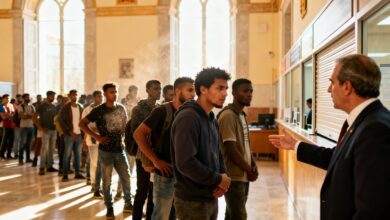
Shortly after, a wave of rallies and solidarity actions in support of Palestinians swept across Catalonia. In Barcelona and other cities, thousands took to the streets demanding an end to the violence in Gaza. The protests were massive: more than five hundred people gathered at the Israeli consulate alone, and student strikes disrupted classes at universities. On the same day, the Catalan parliament was forced to suspend its session due to the detention of CUP deputy Pilar Castillejo, who was aboard the flotilla.
The Comuns party found itself in the spotlight, quickly adapting and leading the protest movement. Their activity stood out among other leftist groups: Podemos has been virtually absent in the region, while CUP is experiencing an internal crisis and faces criticism from some pro-independence supporters who believe the party gives too much attention to international issues at the expense of the Catalan agenda.
A large-scale demonstration is expected in Barcelona in the coming days, supported by hundreds of organizations. Organizers anticipate that the number of participants will exceed previous years and even overshadow the traditional rallies on Catalonia Day. Public discontent is mounting, comparable to the anti-war protests of the early 2000s.
Although the flotilla failed to deliver humanitarian aid to Gaza, the political consequences for Catalonia and all of Spain have been significant. The internal political struggle has intensified: ‘Comunes’ are strengthening their position, and their leader, Colau, who remains under arrest, has already announced she will not run in the next municipal elections. Her place is likely to be taken by Gerardo Pisarello.
Other parties are trying not to fall behind. Junts, despite attempts to support the Palestinian issue, are facing internal disagreements and fear that the new wave of protests will overshadow their own initiatives. Their representatives have found themselves in a difficult position, trying to balance support for Palestine with criticism of parliamentary decisions.
Catalan streets are once again becoming a stage for political battles, with ‘Comunes’ seizing the opportunity to regain influence by relying on growing discontent and solidarity with the people of Gaza. In the coming weeks, the region is expected to see new protests and possibly changes in the political landscape.