For many, the name Concepción Arenal brings to mind only a street or a school. Yet behind that name stands one of the most influential thinkers in 19th-century Spain. Manuela Carmena, former mayor of Madrid, has often been surprised that even among the educated few know who this woman truly was. From childhood, Arenal was known for her independent spirit, intolerance of the conventions of her era, and her fight against injustice—a struggle reflected in her many works, from prison reform to education and equality.
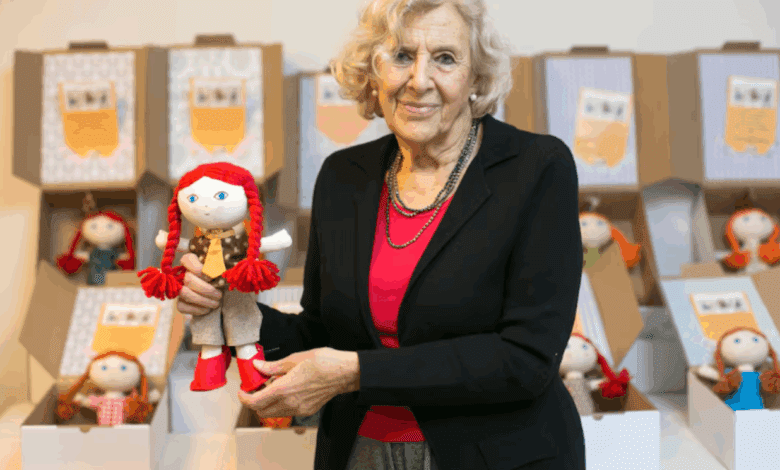
Today, Arenal’s name is in the spotlight once more, though in an unexpected way. In Madrid, a doll bearing her likeness has been created—sketched by Carmena and made by inmates alongside volunteers. The design draws from Arenal herself: large clear eyes, red braids, and a tailored outfit. The doll is part of a charitable project, with every detail—from clothing to accessories—crafted with care and respect for this historical figure.
A woman ahead of her time
Arenal always stood out for her style and behavior. She wore trousers and a frock coat so men would take her seriously in the male-only gatherings where important issues were discussed. While her sister preferred airy dresses, Concepción herself would contemplate life as she gazed at a skull, a gift from Father Caldas of Potes. This unusual memento was always nearby, reminding her how swiftly time passes.
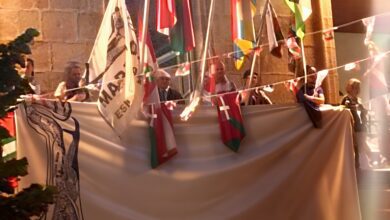
The Arenal family preserved a single portrait, which became the basis for the book ‘The Woman from the Portrait. The Possible Life of the Red-Haired Girl.’ The author is Mónica Rodríguez, with illustrations and memoirs contributed by Arenal’s great-granddaughter, Teresa Novoa. At one event at the Ateneo de Madrid, both fans and the simply curious gathered to see the Zapatelas doll collection, supported by Carmena. There are plans to create a Nelson Mandela doll, but for now, the shop at the La Cebada market offers not only toys for sale, but also children’s clothing and unusual sheets with poetic inscriptions.
Creativity and Solidarity
Concepción Arenal loved to sew and often combined this pastime with conversation. Leading up to Christmas, Madrid hosts charity fairs where you can not only buy a doll but also take part in thought-provoking discussions. Carmena notes that such gatherings are a great way not to waste time, as Arenal herself disapproved of idleness. She criticized both monastic seclusion and indifference to social issues, and she also challenged the stereotype of women as the ‘angel of the house.’
One day, after witnessing an eviction, Arenal realized the scale of the housing crisis. Together with like-minded women, she founded the construction company La Benefica, which built 90 affordable homes in Madrid. Some still stand on Caridad Street today. Carmena emphasizes that Arenal possessed not only intelligence but also remarkable organizational skills, and had the foresight to anticipate and solve problems.
Legacy and a Look to the Future
Despite Arenal’s contributions, her name has yet to receive due recognition in Spain. While working as a judge overseeing prisons, Carmena tried to ensure her memory was honored at a national level. However, political disagreements hampered these efforts: some viewed Arenal as too conservative, others as too radical. As a result, her legacy remained outside ideological boundaries, which makes her even more relevant today.
Carmena notes that Arenal was not a person of extremes. In an age when society is increasingly divided into ‘us’ and ‘them,’ her ability to listen and understand others is especially valuable. During the presentation of the doll, the former mayor shared childhood memories, highlighting the importance of being honest and open with children—even about things like believing in the magic of Christmas.
A Project with a Human Face
The doll-making project is more than just a creative initiative. It brings together inmates, migrants, retirees, and volunteers, all of whom receive a small reward for their work. The dolls are filled with wool from sheep in Extremadura and Palencia, and each toy becomes a symbol of solidarity and hope. Carmen, remembered by many as the ‘grandmother with homemade cupcakes,’ continues to unite people around kindness and mutual support. The story of Concepción Arenal, embodied in the doll, serves as a reminder of the importance of remembering the past and supporting one another.