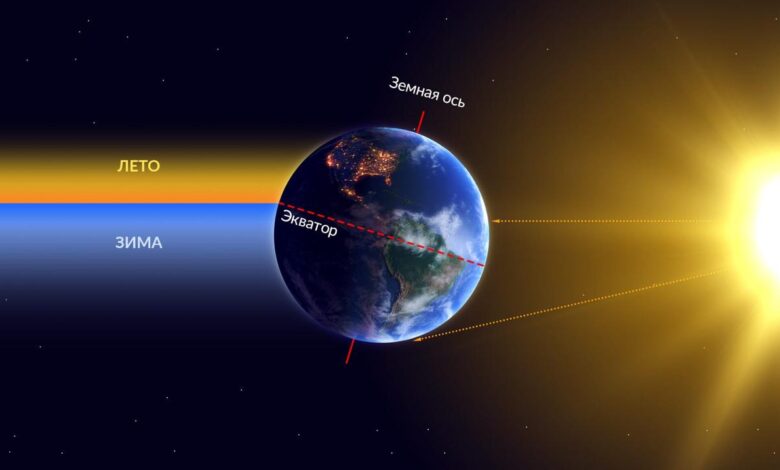
An international team of scientists has found that from 1993 to 2010, the Earth’s rotational axis shifted by almost 80 centimeters. This shift is linked to the extensive use of groundwater for agriculture and human consumption. The study showed that this particular factor became one of the key contributors to changes in the planet’s water balance.
During these years, over 2,100 gigatons of water were extracted from beneath the Earth’s surface. This volume is equivalent to a 6.24-millimeter rise in global sea levels. Such a redistribution of mass caused a noticeable shift in the poles, an effect previously considered an unlikely result of human activity.
Geophysicists note that moving vast amounts of water from underground into rivers, lakes, and oceans affects the dynamics of the Earth’s rotation. As a result, not only does the axis shift, but the distribution of mass across the Earth’s surface also changes. This impacts climate processes and may intensify risks associated with climate change.
According to experts, monitoring changes in the rotational pole’s position allows for tracking global fluctuations in water reserves. Such data have become an important tool for ecologists and water resource managers. They help develop strategies aimed at slowing sea level rise and minimizing negative environmental consequences.
Experts emphasize that human impact on natural processes is becoming increasingly evident. Extensive use of groundwater is already affecting the planet’s geophysical parameters. This calls for a reassessment of water resource management strategies and the implementation of new methods to monitor their usage.
In the coming years, scientists plan to continue monitoring changes in the Earth’s axis and to analyze how further depletion of water reserves could influence global processes. Preserving water balance is becoming a key issue for sustainable development and for preventing new climate threats.