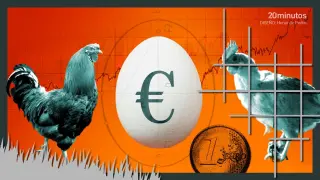
In early October, Spain marked World Egg Day, putting this product back in the spotlight. Over the first nine months of this year, the price of eggs in the country rose by almost 16%, and compared to last year—by nearly 18%. Medium-sized eggs saw the most significant increase: their price has risen by almost one-third over the past year, and more than doubled compared to 2021. The reasons behind this surge lie in a series of events that happened simultaneously.
On the one hand, demand for eggs in Spanish households continues to grow. On the other hand, the situation has been significantly affected by an outbreak of avian flu, which has already impacted eleven poultry farms across the country. The latest case was recorded in Olmedo (Valladolid) in October. In addition, rising electricity and fuel prices, along with the transition to new poultry housing standards—moving away from cages in favor of more humane conditions—have also contributed.
According to recent data, egg prices have increased by nearly 16% since January. Consumer organizations note that medium-sized eggs are now almost 30% more expensive than a year ago. At the same time, industry representatives emphasize that the avian flu virus has affected only a small fraction of Spanish farms, while biosecurity measures and quality control remain at the highest level. Authorities assure that the virus is not transmitted to humans through cooked meat or eggs.
Rising costs and the impact of imports
The situation is being worsened by other factors as well. Imports of eggs from South American countries and other regions have increased, while exports of Spanish products, on the contrary, have declined. Producers are reporting rising prices for electricity, fuel, and transportation. Even though feed costs have stabilized, overall production expenses continue to grow. Additionally, labor costs have increased, both on-site and for remote monitoring of poultry farms.
Consumers note that in different stores, egg prices are changing unevenly: in some places the increase is significant, while in others it is barely noticeable. However, experts do not rule out that price hikes may become widespread in the coming weeks. Typically, when food prices rise, the final price for the consumer increases faster than the producers’ actual costs.
Egg consumption in Spain reaches record highs
Despite all the challenges, Spaniards continue to buy eggs in increasing numbers. Over the past five years, demand has grown by nearly 17%, which is equivalent to an additional 1.25 billion eggs per year. The average family budget for this product already exceeds 72 euros per year. Eggs are becoming an essential part not only of lunches and dinners, but also breakfasts, replacing sweet dishes. They are valued for their high content of protein, vitamins, and minerals, as well as their versatility in cooking.
Last year, Spain produced over a billion dozen eggs, with about 80% consumed domestically and the rest exported, mainly to France, Portugal, the Netherlands, and Italy. The average Spaniard eats nearly 9 kilograms of eggs each year, spending around 29 euros on them.
Transition to new standards and animal welfare
In recent years, Spanish farms have been actively shifting to alternative methods of keeping hens: cage-free, on-floor, in conditions closer to natural, and towards organic farms. Now, three-quarters of all farms operate according to these standards, although just a few years ago, that number was much lower. This transition requires significant investment: more than two billion euros will be needed just to modernize the infrastructure, and egg production costs under the new conditions are 17–30% higher.
Experts believe these changes are inevitable and strategically important for the sector, but urge policymakers to give producers more time to adapt. Otherwise, a sharp rise in prices could make eggs unaffordable for some people, and farmers risk losing out to imports from countries with lower standards.