The sharp escalation of tensions between the well-known entrepreneur and the Spanish authorities has once again become a focal point. Elon Musk’s remarks about government actions, and Yolanda Díaz’s responses, raise questions about the future regulation of digital platforms and how these decisions will impact the lives of Spaniards. As social networks and major tech companies increasingly shape society, such conflicts are taking on special significance for the country.
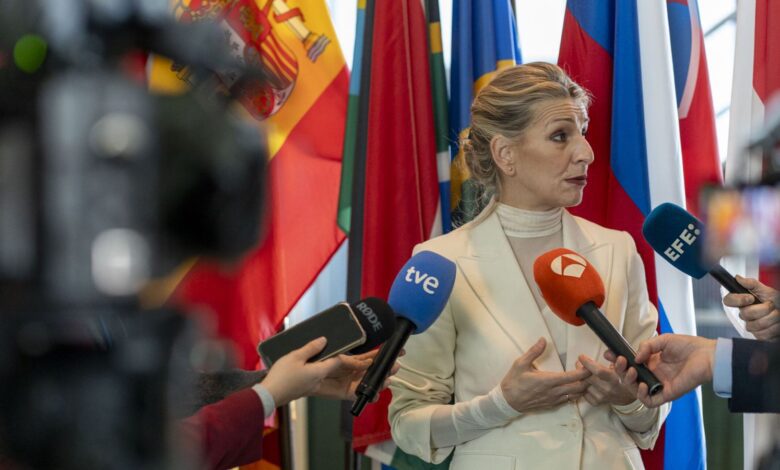
On Friday, Elon Musk delivered fresh criticism of the Spanish government, sparking a strong reaction in political and business circles. His comments were prompted by a video posted by Vice-Prime Minister Yolanda Díaz, in which she announced her departure from X (formerly Twitter), calling it ‘a place ruled by hate.’ Musk quickly responded, accusing Díaz of ‘hating the Spanish people.’
Escalation of the conflict
In her video address, Yolanda Díaz stressed that she does not wish to support platforms that, in her view, encourage hostility. She also stated that Spain should not be ‘a vassal’ to either Musk or other foreign billionaires, and called for tighter regulation of American tech giants. According to her, only strict oversight can ensure fair competition and uphold labor rights.
Musk, in turn, did not stop at criticizing Díaz. In a separate message, he accused the Spanish government of ‘killing the country,’ sparking a wave of discussion in Spanish media and on social networks. Such statements heighten tensions between major international companies and national governments, especially as digital platform regulations become stricter.
Political implications
The remarks by Musk and Díaz came amid recent initiatives to restrict minors’ access to social media. These measures have prompted mixed reactions from users and experts, and fueled new debates about free speech and platform responsibility. The involvement of such figures as Musk only intensifies public interest and raises questions about the balance between innovation and the protection of societal interests.
Previous reports have already addressed the standoff between Elon Musk and Spanish authorities. His sharp criticism of new social media restrictions and migration policy drew particular attention earlier. One article thoroughly examined the roots of the conflict and the government’s response to the entrepreneur’s statements. More on the evolution of this confrontation can be found at this link.
Public reaction
Public opinion on the conflict is divided. Some support initiatives to tighten control over technology companies, believing they are necessary to protect citizens’ rights. Others fear that excessive government interference could lead to restrictions on freedom of speech and have a negative impact on the investment climate. In any case, such debates are becoming increasingly common in Europe, where governments seek to strike a balance between the interests of business and society.
In recent years, Spain has repeatedly become a stage for heated debates about the role of major technology companies. There were notable discussions around the regulation of digital platforms, as well as occasions when business and political leaders exchanged public accusations. These developments reflect a global trend: governments are increasingly faced with the need to reconsider the rules of the game for international corporations in order to protect their interests and ensure fair competition.