Natural disasters in Spain are increasingly testing not only the country’s infrastructure, but also human relationships. When sudden downpours forced hundreds of Grazalema residents to abandon their homes, support from neighbors in Zahara de la Sierra became the only lifeline for many. This story isn’t just about the weather, but about how genuine solidarity emerges in a crisis.
Forced exodus
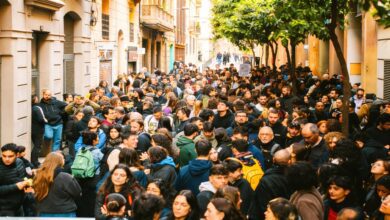
In the evening, while most Grazalema residents had yet to grasp the scale of the impending disaster, emergency services made the decision to carry out a full evacuation. Groundwater rose so high that it began seeping through the floors of houses, turning the streets into dangerous traps. Within just a few hours, about 1,500 people were forced to leave their homes. Around 250 of them found temporary shelter in Zahara de la Sierra — the nearest town, where caring neighbors were waiting for them.
Many arrived at night, with no means of communication and no clear plan, driven by a single desire: to find safety. In the first hours after arrival, local authorities and volunteers arranged accommodation in private homes, hotels, and rented apartments. Zahara de la Sierra officials immediately opened a municipal center to receive evacuees, and hotel owners offered rooms free of charge.
The strength of the community
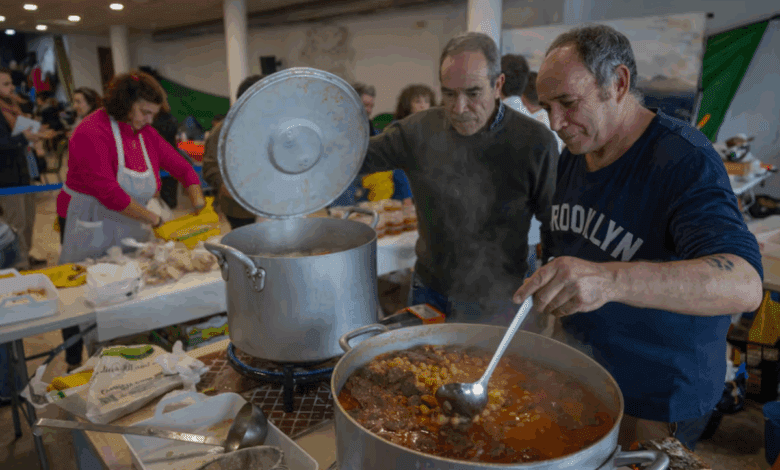
Not only officials, but also ordinary residents found themselves at the center of events. Over a hundred volunteers helped daily to distribute food, clothing, and essential items. In the municipal hall, where New Year’s was celebrated just a month ago, hot meals and humanitarian aid were now being handed out. Women from the local senior center, along with guests from Grazalema, prepared traditional dishes, turning an ordinary meal into a symbol of unity.
For many evacuees, this experience turned into a real ordeal. People who were used to helping others now found themselves in need. Some were embarrassed to ask for help, associating it with financial difficulties, but the support of neighbors helped them overcome these internal barriers. Clothing, food, and even shoes—everything was collected and handed out without unnecessary questions.
The challenges continue
Despite the efforts of the locals, the problems did not end with the arrival of the evacuees. In Zahara de la Sierra, a water main burst, leaving the town without water. The Bocaleones River overflowed its banks, flooding gardens and disrupting daily life. Roads damaged by streams of mud and fallen branches had to be repaired urgently to restore connection with the outside world.
Many families have been separated: some remain in Zahara, while others have left for Ronda. Returning home is not yet possible—experts warn that it will take at least a week after the rains stop to assess the damage and ensure safety. Meanwhile, concern for pets left behind and for possessions continues to haunt many evacuees.
Emotions and support
Volunteers admit that emotional tension grows each day. The stories of people who lost everything overnight touch even the most resilient. Many try not to show their feelings in public, but at home, alone, they cannot hold back tears. Despite exhaustion, no one refuses to help—everyone understands that every kind of support matters right now.
New Year decorations still hang in Zahara de la Sierra—they couldn’t be taken down because of the relentless rains. The streets are unusually quiet, broken only by the voices of volunteers and the laughter of children trying to distract themselves from their worries. In these circumstances, even a simple bowl of hot soup becomes a symbol of hope and unity.
In recent years, Spain has increasingly faced extreme weather events that have led to mass evacuations and destruction. Similar situations have already occurred in other regions of the country — for example, in Murcia and Valencia, where severe floods forced thousands of people to seek temporary shelter with neighbors. Each time, local communities show a remarkable ability to self-organize and help one another. These stories serve as a reminder that even in the toughest circumstances, Spaniards know how to come together for the common good.