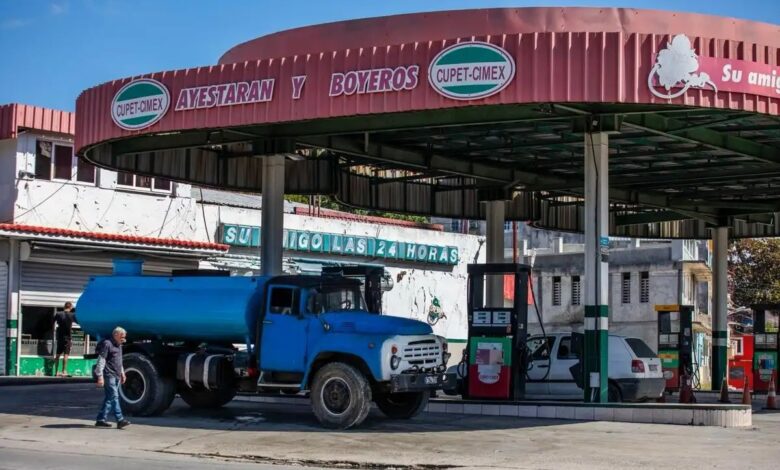
The urgent repatriation of Russian tourists from Cuba has become a worrying signal for the European tourism market, including Spain. Moscow’s decision stems from the sharp deterioration of the situation on the island due to a fuel shortage, which has already disrupted transportation and other essential services. For Spanish tour operators and airlines, this event is a reminder of how vulnerable international routes are to sudden crises.
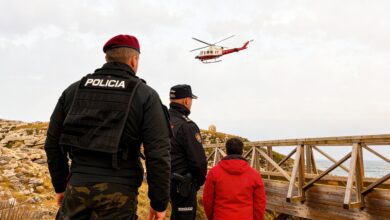
In recent days, the situation in Cuba has escalated to the point that Russian authorities decided to organize the evacuation of their citizens. Tourists stranded on the island have found themselves unable to travel between resorts and airports, facing disruptions in hotel and other service operations. The repatriation is being coordinated closely with Cuban authorities to minimize risks for travelers.
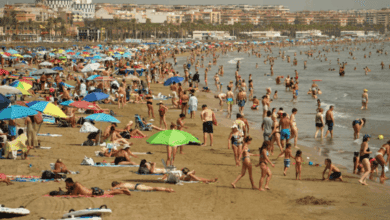
For Spain, as one of Europe’s leading tourist destinations, such developments are a reason to rethink safety and logistics protocols.
Impact on Tourism
The fuel crisis in Cuba has already triggered a chain reaction in the tourism sector. Tour operators are forced to revise their plans, while airlines are reconsidering flight schedules. Spanish companies operating in the Caribbean are closely monitoring the situation to prevent similar scenarios and avoid widespread delays or flight cancellations.
Amid global instability caused by energy and logistics issues, travel agencies in Spain are stepping up risk monitoring. In recent years, there have already been cases when fuel shortages or other infrastructure failures led to delays and flight cancellations, negatively impacting companies’ reputations and eroding customer trust.
Currently, all eyes are on how quickly and efficiently Russian and Cuban authorities can organize the evacuation of tourists. Any delays or irregularities may draw attention in the European media and influence travelers’ decisions when choosing their holiday destinations.
Transport difficulties
The fuel shortage in Cuba has affected not only tourists but also the local population. Public transport operates intermittently, while taxis and private carriers have been forced to cut the number of trips. For foreign visitors, this means additional challenges when planning routes and returning home.
Spanish airlines with connecting flights through Cuba, or which partner with local companies, have already begun assessing potential risks. In the event of a prolonged crisis, it may be necessary to revise routes or even temporarily suspend certain destinations.
In recent years, transport disruptions caused by fuel shortages or other force majeure circumstances have led to widespread delays and flight cancellations worldwide. For Spain, as a major aviation hub, such incidents are a reason for heightened oversight and coordination with international partners.
Market reaction and consequences
The tourism market in Spain has already begun to respond to the news about the repatriation of Russians from Cuba. Some agencies have temporarily suspended the sale of tours to the island, while others have stepped up efforts to inform clients about potential risks. In an environment of high competition and instability in foreign markets, such measures are becoming necessary to maintain customer trust and loyalty.
Experts note that crises like these can act as a catalyst for the development of new safety and logistics standards in the travel industry. Spanish companies are already implementing additional monitoring protocols and emergency response procedures to minimize losses and ensure traveler safety.
In the coming days, attention will be focused on how quickly and smoothly the repatriation process unfolds. Any disruptions or delays could prompt not only Russian but also European tourists to reconsider their travel plans to countries with unstable infrastructure.
In recent years, the tourism industry has repeatedly faced force majeure situations related to fuel supply disruptions, natural disasters, or political crises. For example, in 2023, a mass flight delay in South America caused by a fuel shortage led to thousands of canceled trips. In 2024, a similar situation occurred in some Asian countries, where tourists were forced to wait several days for evacuation. These events highlight the importance of rapid response and close cooperation between governments and tourism companies to ensure the safety of travelers.