In recent months, Andalusia has found itself in the spotlight due to a series of emergencies that demanded swift action from the authorities. For local residents, these are more than just headlines — it’s a matter of safety, trust in the system, and real changes that affect everyone. Following the rail accident in Adamuz and the urgent evacuation of Grazalema due to the risk of collapse, it has become clear: efficient coordination between emergency services and authorities is not just a formality, but a matter of life and health.
Antonio Sanz, responsible for health, emergency response, and internal affairs in Andalusia, has openly stated that only joint efforts and clear coordination among all agencies can minimize the effects of disasters. According to him, it was precisely the well-coordinated work of emergency services, medical staff, and municipalities that made it possible to quickly evacuate those affected and provide them with aid in Adamuz, as well as to organize a safe and speedy departure for residents of Grazalema after the threat of collapse emerged following a powerful storm.
Response to disasters
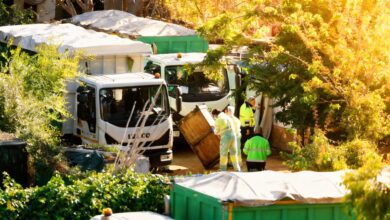
Recalling the events in Adamuz, Sanz notes that the situation resembled a battlefield — chaos, anxiety, but also precise organization. Within minutes, emergency response teams arrived on site, and a mobile hospital was set up almost instantly. All those at risk were evacuated from the danger zone within two hours, which was possible only because of regular drills and well-rehearsed emergency protocols.
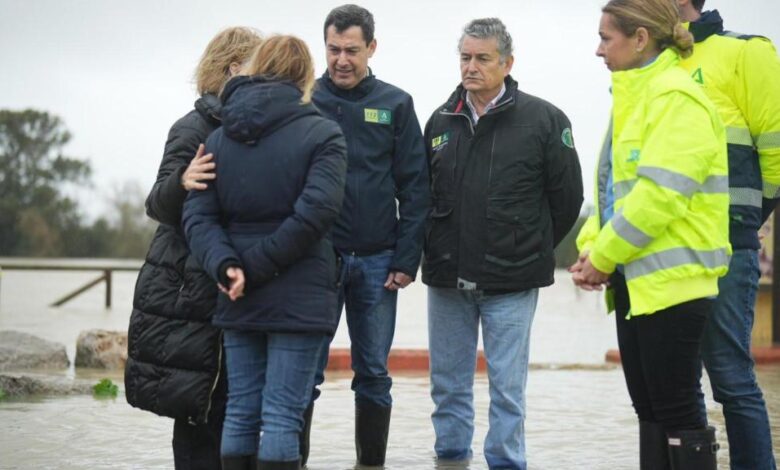
In Grazalema, where an entire village had to be evacuated due to the risk of building collapse, the emergency management headquarters operated in close coordination with local authorities and the national police. Special attention was given to elderly and mobility-impaired residents—they were evacuated first, using specially prepared routes and transportation. According to Sanz, such operations require not only technical readiness, but also a human touch: it is crucial to prevent panic and provide support to everyone.
Prevention and Training
The Andalusian authorities prioritize prevention and ongoing staff training. After each incident, they review mistakes and analyze actions, aiming to respond even faster and more effectively in the future. Sanz emphasizes that every emergency is not just a challenge, but also an opportunity to improve the system. Regular drills, knowledge sharing between regions, and the introduction of new protocols have become routine for Andalusian services.
Particular importance is given to cooperation between different levels of government—from municipalities to the autonomous administration. According to Sanz, this is the only way to avoid bureaucratic delays and provide real protection for the population. He also notes that citizens have played a greater role in recent years: residents are increasingly following service instructions, helping to prevent casualties and speeding up evacuation.
Without politics or conflict
Antonio Sanz firmly rejects attempts to use tragedies for political purposes. In his view, it is crucial during times of crisis to maintain transparency and respect for the work of everyone involved, rather than seeking blame or staging public disputes. He calls for unity and mutual assistance, emphasizing that only by working together can the aftermath of catastrophes be overcome.
In this context, it’s worth recalling how Prime Minister Pedro Sánchez previously declared the government’s full responsibility for its actions following rail tragedies. At that time, authorities promised maximum transparency and support for those affected, which sparked significant public debate. More details on the central government’s response and promises of transparency can be found at this link.
Experience and change
In Andalusia, officials admit that each new incident tests the resilience of the entire system. After the recent DANA in Valencia, when heavy rains paralyzed entire districts, local emergency services revised their protocols and strengthened their preparation for similar situations. Sanz notes that sharing experience between regions and continuously improving procedures help minimize damage and save lives.
Working with the public has also become a key element: regular information campaigns, training on emergency rules, and developing alert systems. Authorities stress that only shared responsibility is the key to safety.
Reference context
In recent years, Spain has faced a series of emergencies requiring swift and coordinated responses. Among the most notable were the mass evacuation in Murcia due to flooding, as well as major wildfires in Catalonia and the Canary Islands. Each incident prompted a review of protocols and the introduction of new technologies in rescue services. In 2025, following a series of railway incidents across the country, additional safety measures were implemented and stricter requirements for infrastructure maintenance were introduced. Experience shows that only the continuous improvement of the system and openness to change allow for effective protection of the population from the consequences of disasters.