
All news
24836 news
Spain's Left Faces a 29 November Coalition Test
Sumar is becoming Frente Amplio with Ada Colau as its prospective leader. Podemos is weighing a solo campaign as negotiations approach the 16 October deadline.
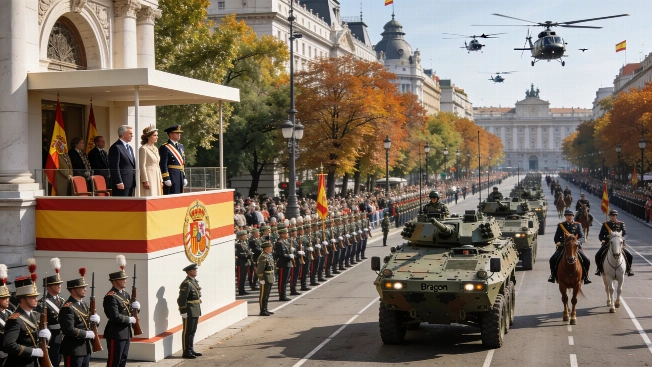
Madrid stages Spain’s National Day under military display
Spain’s royal family will lead Madrid’s National Day ceremony on Monday 12 October. Aircraft, military vehicles and thousands of participants will move through the capital as road closures begin at 07:00.
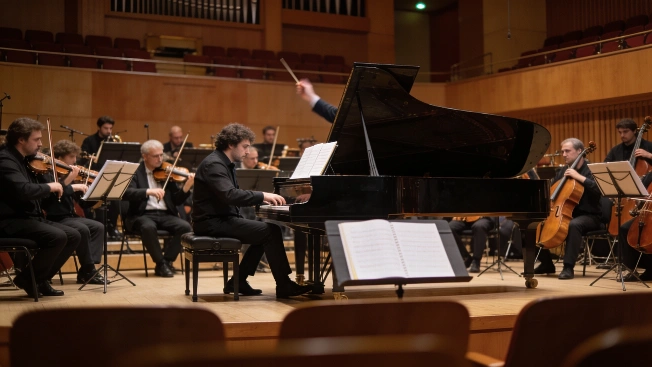
Mixtur 2026 takes contemporary music across Barcelona
Mixtur runs from 15 to 25 October across 11 Barcelona venues. Its 15th edition includes 24 concerts, sound installations and family events, with most performances free.

Weather Could Ground Madrid’s 2026 Air Parade
Madrid’s 12 October display lists 81 aircraft and helicopters, while independent reports count 82 or 83. The formations remain dependent on visibility, wind and cloud cover.
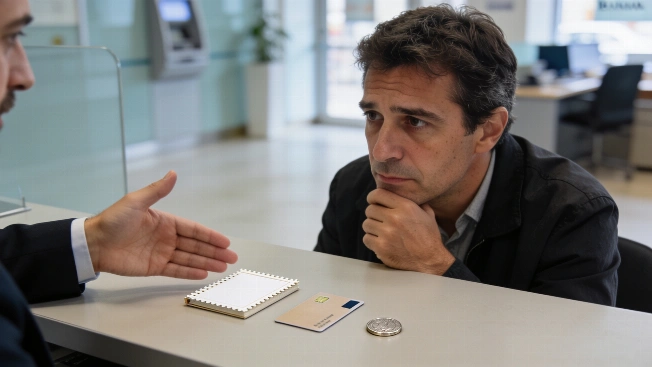
Spanish savers keep paying for familiar financial risks
Spanish savers have repeatedly entered complex products without grasping the risks. The names changed from stamps to cryptocurrencies, but the losses did not.

Moroccan warships entered waters claimed by Spain
Moroccan naval vessels entered waters claimed by Spain during the July migrant crisis. Spain sent warships to Ceuta after repeated incursions reportedly brought patrol boats close to a collision.
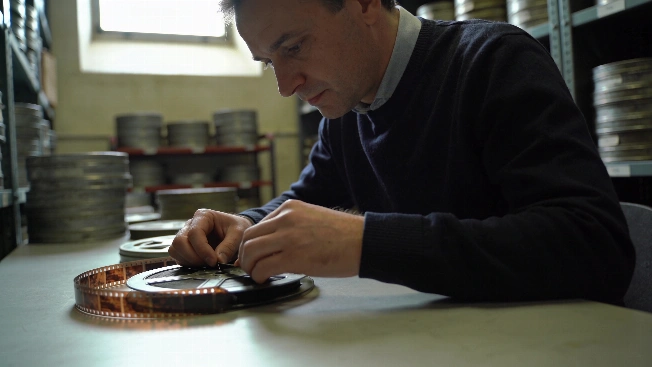
The Devils returns with its missing footage restored
Ken Russell’s The Devils returns in a director-approved 4K restoration. The missing crucifix sequence and censored ending will screen in the United States on 16 October 2026, followed by UK and Ireland cinemas on 30 October.

PSOE fails to secure Senate pact with Frente Amplio
Talks in Madrid produced no Senate deal between PSOE and Frente Amplio. With the 16 October coalition deadline approaching, disputes over candidates and provincial lists are widening.
North Korea Launches Ballistic Missiles Toward Sea of Japan
The launches came four days after South Korea tested a hypersonic missile. Japan said at least two objects likely fell beyond its exclusive economic zone.

German used cars pour into Spain with hidden risks and mileage scams
German used cars tempt Spanish buyers with lower prices and better features, yet most arrive carrying accident records and many show tampered mileage. The real price of these deals often stays buried.
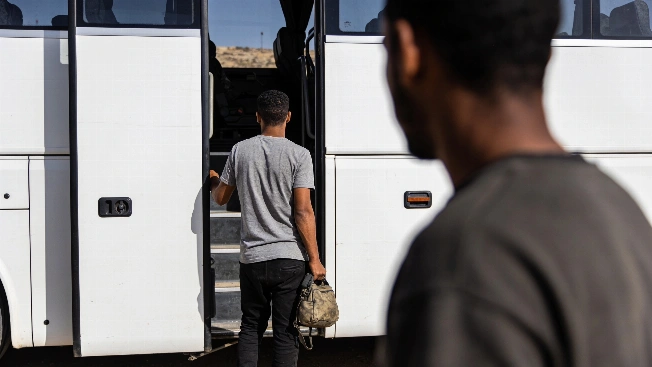
Migrants say Ceuta buses ended at Morocco border
Migrants removed from settlements in Ceuta say officials promised registration at reception camps before buses took them to Morocco. Their accounts challenge the official classification of 1,823 returns as voluntary.
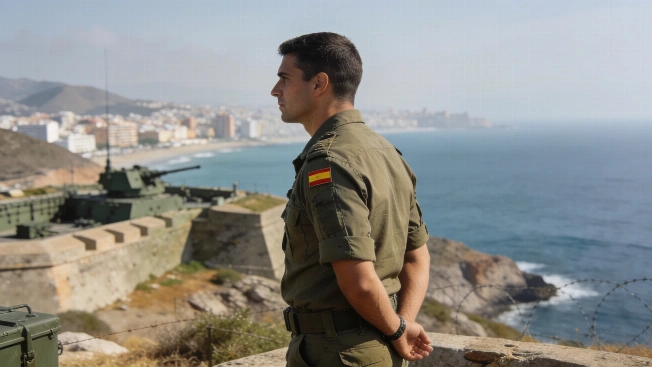
Robles brings Ceuta into Spain’s military message
Margarita Robles used a pre-National Day military briefing to address troops abroad and the Ceuta command. Her message tied overseas operations to Spain’s position on Ceuta and Melilla.
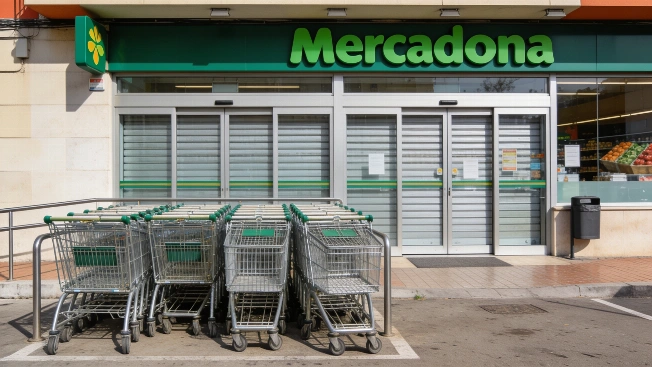
Mercadona shutters stores nationwide for Día de la Hispanidad
Mercadona will keep supermarkets closed across Spain on October 12 for Día de la Hispanidad and the Pilar holiday. The two-day pause, including Sunday, underscores the chain’s hardline stance on holiday closures.

Spain’s Deal Market Shrinks 25% Under Sánchez
Spain has logged €410 billion in acquisitions since June 2018. Higher rates and state controls have cooled dealmaking even as the Ibex 35 climbed above 19,000 points.
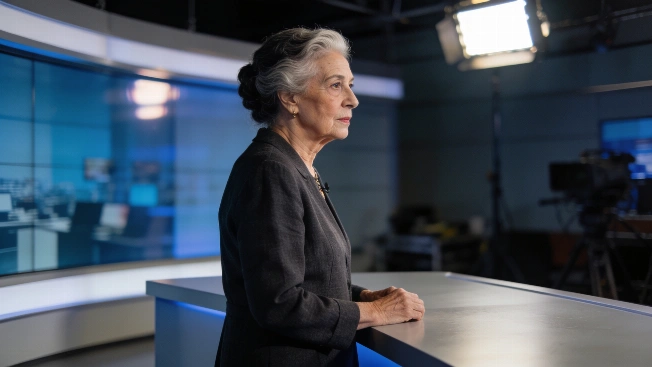
Mari Carmen García Vela returns to Informe Semanal
After 29 years away, Mari Carmen García Vela returned to Informe Semanal for a one-off edition marking TVE’s 70th anniversary and the programmes that shaped Spanish television.

AVATR 06T targets Spain with electric speed and upscale design
Backed by Changan, CATL and Huawei, AVATR is plotting a 2027 launch in Spain’s premium car sector. Its first models bring high-output electric power and bold styling to a crowded field.
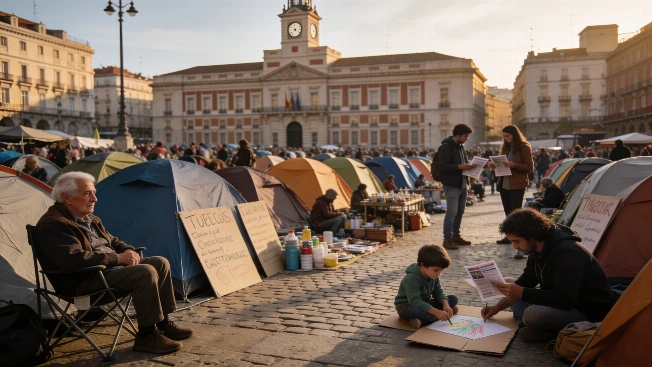
Aitana Sánchez-Gijón takes housing protest to national stage
The actress joined Madrid’s Puerta del Sol camp as evictions and a housing shortage pushed the protest beyond youth politics. Her message cast access to homes as a national issue.
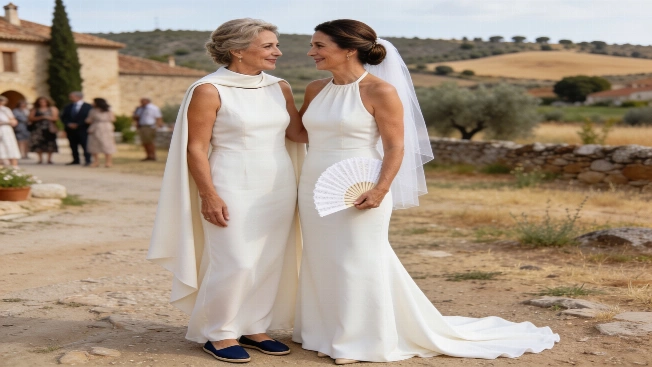
Sandra Barneda y Pascalle Paerel se casan en Candeleda
Sandra Barneda and Pascalle Paerel married in Candeleda on 10 October 2026. The civil ceremony brought relatives and close friends from Spain and the Netherlands to a place tied to Barneda's home and literary work.

Citroën bets on stripped-down 2 CV electric for €15000
Citroën’s new 2 CV electric concept ditches excess for charm and simplicity. With a €15000 target price and a featherweight build, the brand is taking direct aim at the budget EV segment.

AVATR pushes into Spain with high-powered electric cars
AVATR plans to land in Spain and Norway in 2027, rolling out two electric models with up to 955 horsepower. The Chinese brand is betting on advanced tech and bold design to unsettle Europe’s luxury car market.
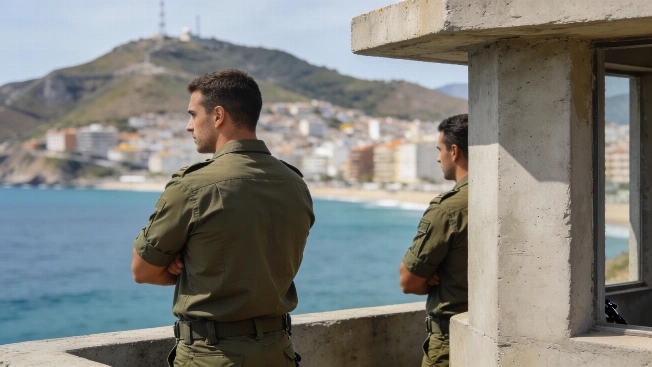
Robles puts Ceuta and Melilla at Spain’s defence centre
Margarita Robles reaffirmed Spain’s position on Ceuta and Melilla while addressing troops abroad. Spain is maintaining 17 missions with about 3,000 personnel across four continents.
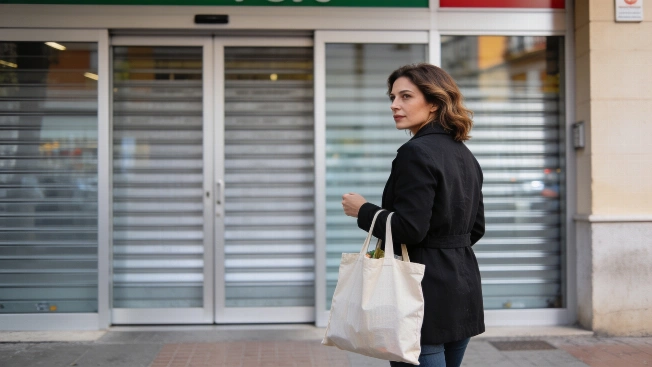
Spain's Supermarket Hours Split on 11 and 12 October
Spain's national holiday could change supermarket hours. Mercadona is generally expected to close, while selected convenience stores may open with reduced hours. Each branch requires a direct check.
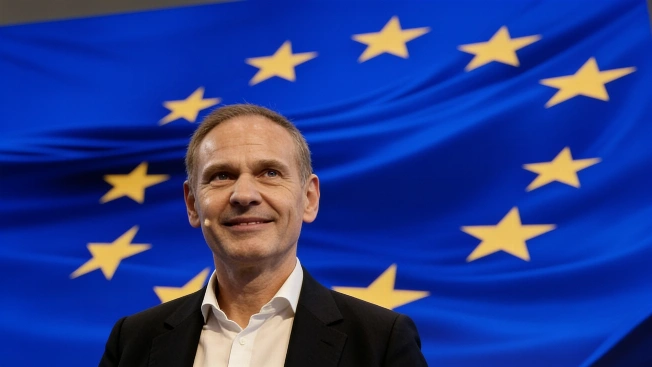
Volkswagen pushes For Europe plan to shield jobs and speed EV rollout
Volkswagen is pressing European leaders and industry to close ranks against global rivals. The For Europe plan aims to protect 476,400 jobs and ramp up electric car output, with Spain set as the launchpad for new urban EVs.
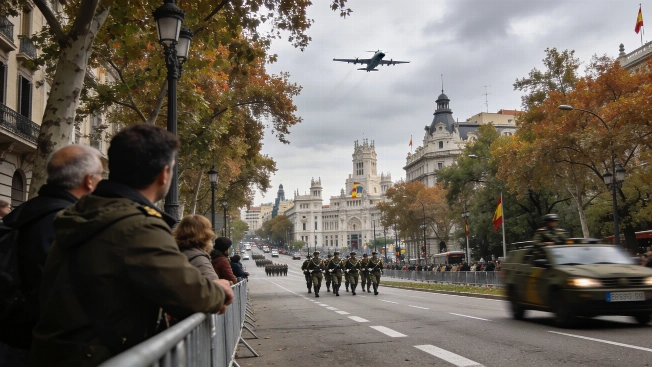
Madrid retailers set different hours for 12 October
Spain’s national holiday allows trading in Madrid, but it does not set one timetable. Retailers and shopping centres can choose their own hours, and some branches may stay closed.
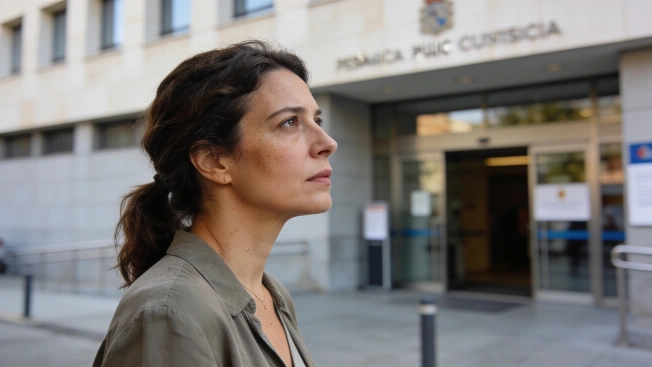
163.020 new Spanish citizens face an uncertain vote
A Supreme Court review has put the 29 November vote in doubt for thousands who gained Spanish nationality through the ley de nietos. Their registration remains under scrutiny.
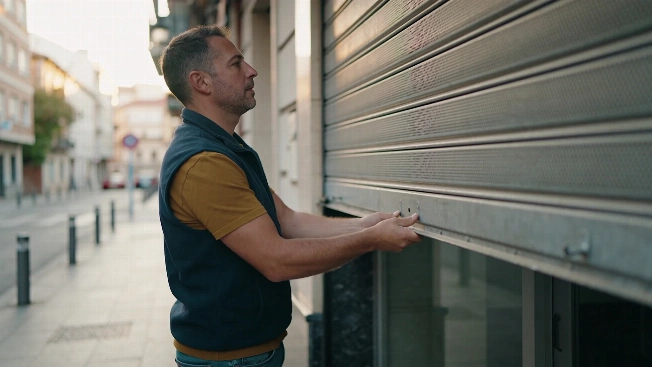
PP Makes Sacrifice Its First Campaign Test
The Partido Popular has put Alberto Núñez Feijóo's disputed call for sacrifice at the center of its first campaign video. PSOE answered by tying the slogan to the policies voters may face.
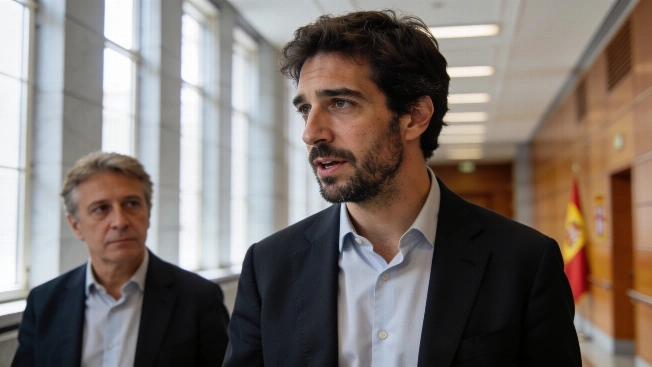
Rufián clinches ERC nomination after fraught party standoff
Gabriel Rufián stays atop Esquerra Republicana’s ticket for 29-N after days of internal wrangling. The party’s executive locked in his candidacy, granting him leeway to campaign outside Catalonia under fresh conditions.

Rufián Secures ERC Candidacy After Rejecting Frente Amplio
Gabriel Rufián will lead ERC in Barcelona on 29 November after rejecting the Frente Amplio route. His demands have also brought the party closer to cooperation talks with Podemos.
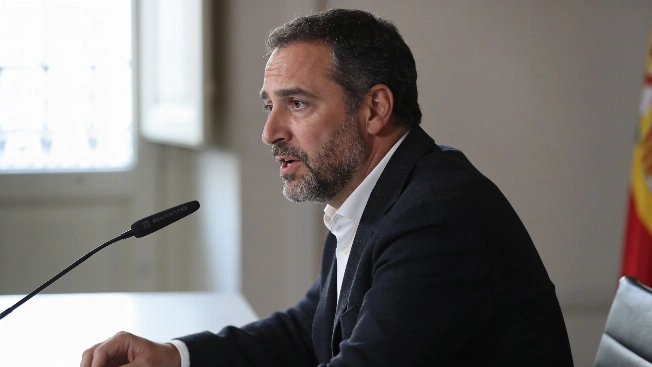
Abascal Recasts Vox’s Alliance Offer Before Spain’s Election
Santiago Abascal is sharpening Vox’s election message ahead of the 29 November vote. He wants talks with Partido Popular while making Sánchez’s defeat the campaign’s immediate target.
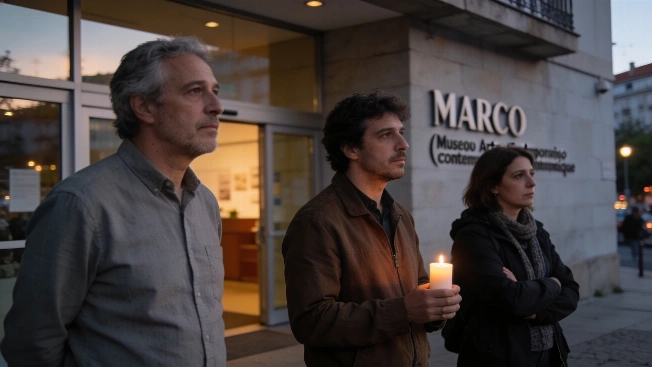
Vigo holds vigil for Maricarmen amid housing protests
Vigo will hold a vigil for Maricarmen on 12 October at 19.00. Organisers link her death to housing speculation, while independent reporting has found no medical causal connection to the eviction.
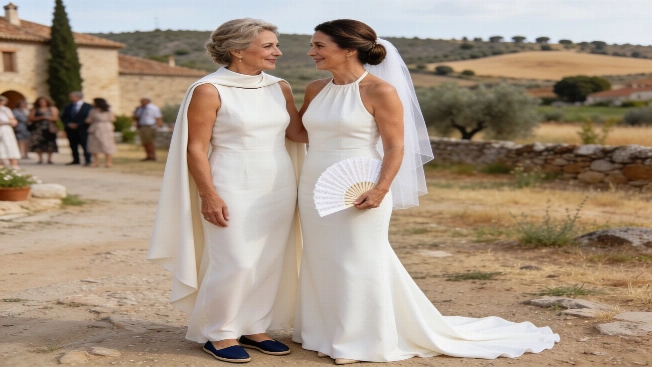
Barneda and Paerel marry in Ávila
Sandra Barneda and Pascalle Paerel married at Barneda’s estate in Candeleda on October 10, 2026. More than 150 guests attended a ceremony held mostly in English.

Aizpurua leaves EH Bildu’s Congress list after three terms
Mertxe Aizpurua will leave Congress after three legislatures and retire from parliamentary politics. Oskar Matute plans to run again as EH Bildu prepares its lists for the 29 November election.
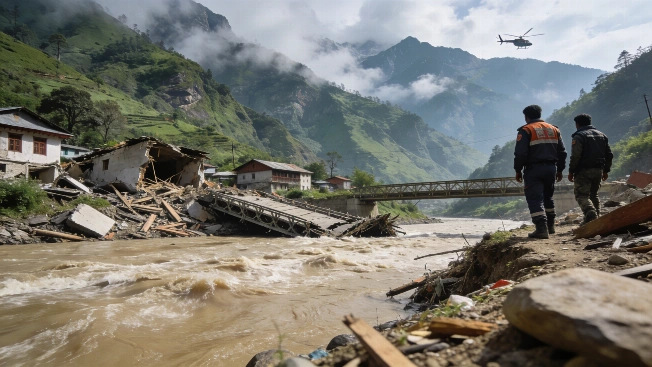
Flood Sweeps Away Homes and Bridges in Nepal
A sudden flood in Nepal's Gorkha province swept away about 40 homes and several bridges. Five people are missing, while helicopters search and officials warn downstream residents to evacuate.
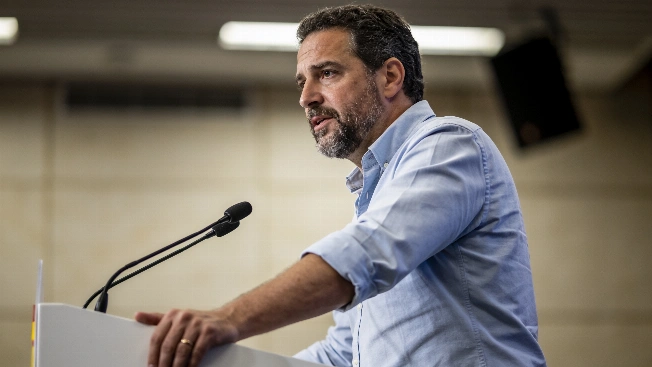
Abascal attacks Sánchez as Spain heads for a dirty election
Santiago Abascal predicts a bitter campaign before Spain's November 29 vote. He accuses Pedro Sánchez of protecting power and urges voters to cast ballots in person.
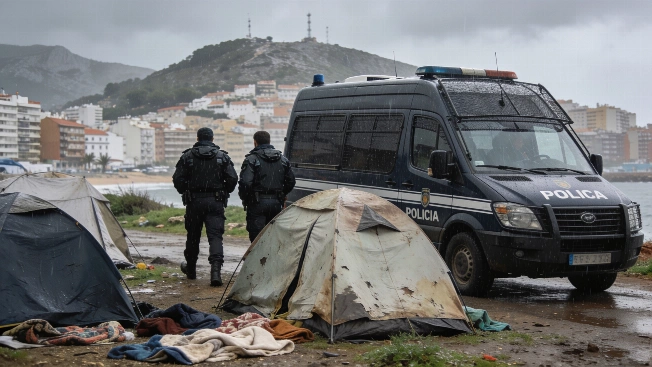
Police Clear Ceuta's Last Major Migrant Camp
Police have cleared El Guano, Ceuta’s last major migrant camp. More than 500 migrants had remained there, while others hid across the city or waited for a route to mainland Spain.
Page 1 by 20