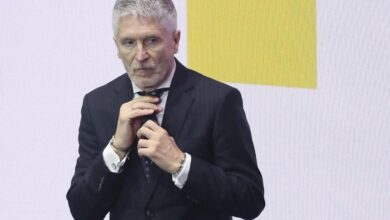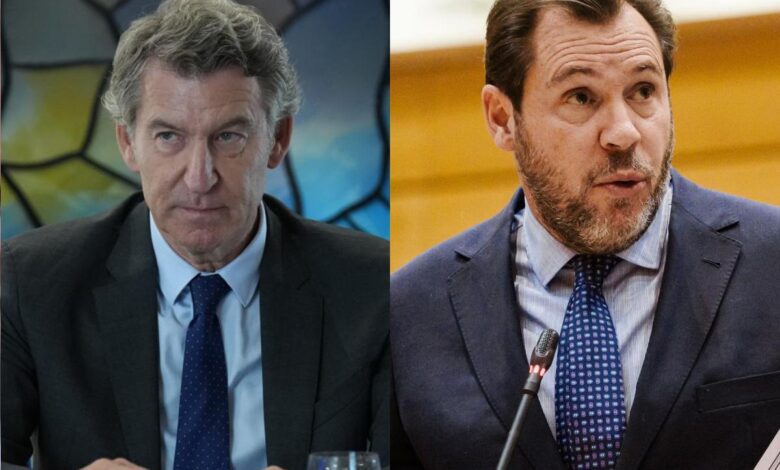
The railway tragedy in Adamuz has once again shaken Spanish society and sparked a sharp political confrontation. After dozens of people were killed in the accident, opposition leader Alberto Núñez Feijóo publicly demanded the immediate resignation of Transport Minister Óscar Puente, holding him responsible for what happened. According to Feijóo, the minister should not remain in his position even for the next Council of Ministers meeting. His statement came amid growing discontent over how the authorities are communicating the details of the disaster, and suspicions of attempts to confuse the public with excessive information.
However, the response to Feijóo’s statement has been far from unanimous. On social media, especially on platform X, users quickly recalled events from a decade ago, when Feijóo himself was president of the Galicia autonomous community. Back in the summer of 2013, the country was shaken by the crash of Alvia 04155, which claimed 80 lives. Old accusations and unanswered questions have resurfaced.
Remembering Alvia
The spike in online discussions was triggered not only by Feijóo’s recent statements but also by his actions after the Alvia tragedy. Years after the disaster, representatives of the Alvia 04155 victims’ platform demanded that the politician respond to allegations made by former Transport Minister José Luis Ábalos. Ábalos claimed that Feijóo allegedly pushed to lower safety standards on the AVE line to accelerate its launch. Particularly pressing was the issue of Feijóo’s possible involvement in disabling the ERTMS system in 2012 before the dangerous Angrois curve—a move victims believe may have contributed to the tragedy.
At the time, Feijóo defended Transport Minister Ana Pastor, who later became head of the health ministry and Speaker of the Congress of Deputies. He argued that the investigation into the disaster was influenced by economic interests from companies supplying high-speed train equipment. Despite growing pressure, Feijóo opposed the creation of a parliamentary commission to investigate the causes of the accident, insisting that he would not use the pain and suffering of the victims for political purposes.
Double standards
Now, as Feijóo demands the resignation of the current minister over the tragedy in Adamuz, many see this as a display of double standards. Social media users are actively quoting his past statements and decisions, pointing out that in 2013 he not only refused to resign but also defended his government colleagues. Details are resurfacing that previously went largely unnoticed: from attempts to downplay the role of regional authorities to rejecting a parliamentary investigation.
The discussion online is becoming increasingly heated. Some commentators believe Feijóo’s current demands are nothing more than a political move in the wake of the tragedy, while others insist on the need for a single standard of accountability for all politicians, regardless of party affiliation or past achievements.
Public reaction
The renewed interest in events from ten years ago reflects how deeply rooted mistrust toward official accounts and politicians’ promises is within Spanish society. Railway tragedies become not only a source of sorrow, but also a flashpoint for fierce debates about who should be held responsible for citizens’ safety and how that responsibility should be exercised. This time, attention is focused not only on the investigation into the causes of the Adamuz accident, but also on how politicians use such tragedies to serve their own interests.
While officials continue to exchange accusations, the public is demanding transparency and honest answers. The question of who is truly responsible for the tragedies on the railways remains unresolved. Judging by reactions on social media, Spaniards are not willing to forget either the current or past mistakes of their leaders.