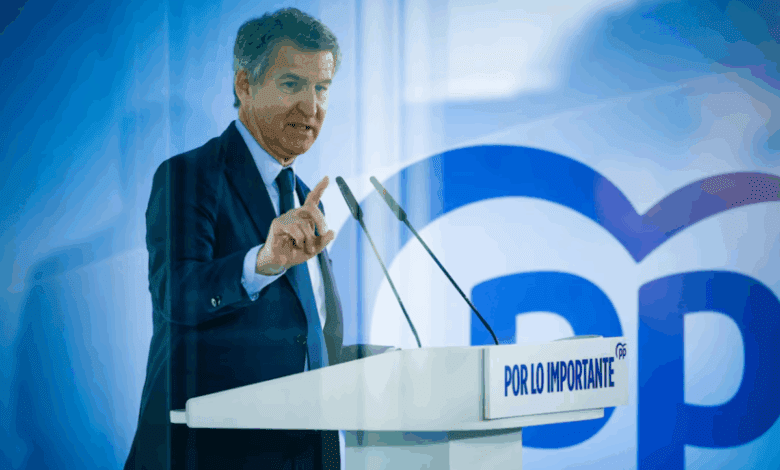
In January 2026, Spain’s political stage was thrust back into the spotlight as Alberto Núñez Feijóo, leader of the Partido Popular, was summoned to Congress to testify regarding the DANA disaster that claimed 230 lives in 2024. The summons was initiated by a commission dominated by PSOE and Sumar, and is essentially a done deal—with both parties insisting that Feijóo’s testimony is needed in person. Many questions have accumulated, and the atmosphere surrounding this case is growing increasingly tense.
The main intrigue centers on what Feijóo actually knew at the time of the tragedy, and why his public statements contradict established facts. His communication with former president of the Valencian Community, Carlos Mazón, is now under the microscope. Previously, Feijóo insisted he was receiving all information in real time, but later admitted to a judge this wasn’t the case. He now faces scrutiny over why he chose to conceal this fact and the extent of his actual knowledge during those critical hours of the catastrophe.
Questions for Feijóo
The situation became more complicated when investigators obtained WhatsApp messages between Feijóo and Mazón. It was revealed that on the night of the tragedy, the Partido Popular leader had tried to find out whether the central government had contacted Valencia and how many victims had already been reported. In his official statement, Mazón claimed he only learned of the fatalities the following morning, but the messages show they had already discussed deaths in Utiel that evening and anticipated the toll would rise.
Against this backdrop of controversy, Sumar and Compromís representatives are demanding Feijóo’s resignation, accusing the Partido Popular of covering up information and shielding each other. Alberto Ibáñez was particularly outspoken, calling the party “a criminal organization built on lies.” So far, however, Feijóo shows no intention of stepping down and is preparing for a public hearing.
Key Players
Before Feijóo takes the witness stand, Congress will hear from other key figures in the case: former Mazón cabinet chief José Manuel Cuenca and former emergency secretary Emilio Argüeso. Their testimonies are scheduled for January 20 and could set the tone for Feijóo’s subsequent questioning. The entire country is closely watching these developments, as more than just the reputations of individual politicians are at stake—the public’s trust in crisis management is on the line.
Particular attention is being paid to the details: why did reports of fatalities appear in messages before Mazón officially acknowledged them? Why was Feijóo so insistent that he was informed of everything, when that may not have been the case? These questions are troubling both lawmakers and the public, and it is up to the opposition leader to give clear answers.
Political Consequences
The entire episode has already sparked heated debates in parliament. The opposition accuses the Partido Popular of trying to cover up the scandal, while Feijóo’s supporters claim that the case is politically motivated, aimed at discrediting their leader. However, the facts stubbornly indicate that communication between the authorities in Valencia and Madrid on the night of the tragedy was far from ideal.
For now, Feijóo remains composed and stands by his position, but the pressure mounts with each passing day. His address in Congress could be a turning point not only for him, but for Spain’s entire political system. Questions of transparency, accountability, and integrity are once again in the spotlight, and the public is demanding answers.
Expectations and intrigue
Ahead lies a week of anticipation and new revelations. The whole country is speculating about what further details the hearings might expose and how Feijóo will act under parliamentary scrutiny. One thing is clear: no one remains indifferent to this story. The DANA disaster has become not only a tragedy for hundreds of families, but also a major test for Spanish politics. And it seems this test is only just beginning.