A new phase in the evolution of urban culture has begun in Barcelona: five architectural teams have reached the finals of the competition to design the second stage of the Gran Teatro del Liceu, which will be built in the Port Vell area. This decision has already sparked interest among professionals and locals alike, since it concerns not only the construction of a building, but a large-scale transformation of the coastal zone. With Barcelona holding its status as a world capital of architecture, attention to detail and innovation in this project is especially high.
The selection of finalists followed a thorough review of 55 entries from around the world. The jury included representatives from Liceu, the city council, and professional architectural associations. According to El Pais, the key criteria were the quality of architectural solutions, integration into the urban environment, and modern requirements for acoustics and technology. Each of the five chosen teams combines international and local studios, highlighting the goal of merging global expertise with local distinctiveness.
The finalists and their approaches
Among the finalists are teams such as Sanaa+CFA, Batlle Roig SLP-Snohetta Oslo, Barozzi Veiga+Mao-Burgos Garrido, Sou Fujimoto+Gras+Aldayjover, and Decas_b720-CeC. Some of these teams are behind major cultural landmarks: for example, Snohetta designed the opera house in Oslo, and Barozzi Veiga created the philharmonic hall in Szczecin, Poland. Decas_b720-CeC includes architects who contributed to the Ciutat de la Justícia and other iconic Barcelona projects. At this stage, participants submitted concepts with visualizations and descriptions, without yet moving on to models or detailed drawings.
Each team was required to present its vision in five areas: architecture, urban planning, acoustics, design, and the integration of new technologies. In September, the finalists will present fully developed projects, and by October, the winner’s name will be announced. City authorities plan to organize an exhibition of all five models so that residents and visitors of Barcelona can explore various approaches to the future of Liceu Mar.
Urban environment and challenges
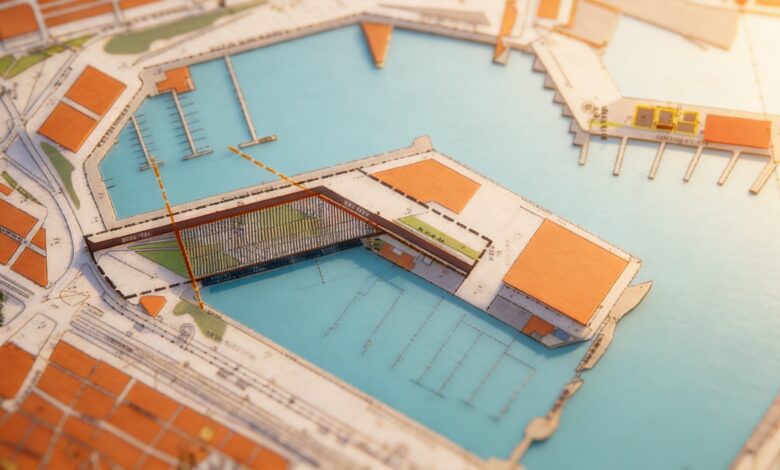
The project involves not only constructing a building with a floor area of about 3,000 square meters, but also a comprehensive reorganization of the Port Vell area—covering a total of 46,000 square meters. The new building will occupy part of the waterfront’s green zone, while such facilities as the Aquarium and Maremagnum will remain, and IMAX will be dismantled. Importantly, the port is simultaneously planning to build an underground transport hub, which adds complexity for architects and engineers.
The competition winner will receive a contract for all project stages—from concept to implementation. Each finalist has already secured compensation of €25,000. The total construction budget is estimated at €39 million, with an additional €23.9 million allocated for landscaping the surrounding area. The process will be managed by the municipal company BIMSA, which has experience implementing major urban projects.
Impact on cultural life
The addition of a second stage at Liceu Mar will allow the theater to expand its repertoire with contemporary operas, dance performances, and children’s programs. This decision has the backing of all key city and cultural institutions, underscoring the project’s strategic importance for Barcelona. According to russpain.com, such initiatives have become increasingly sought after in recent years, as they help foster urban development and strengthen the city’s presence on the international cultural stage.
In the context of architectural competitions in Spain, it’s worth recalling that Madrid recently hosted an exhibition where artisans and contemporary artists joined forces to create unique works of art. The event, covered in the feature on the unusual focus on craftsmanship in Castilla-La Mancha, also drew significant attention and demonstrated just how important new cultural spaces are for regional development.
In recent years, Spain has seen a rise in architectural competitions related to cultural venues. For example, in Valencia and Bilbao, projects were completed where international teams presented innovative designs for theaters and museums. Such initiatives not only refresh the cityscape but also attract tourists and professionals. As a result, each new competition is seen as an opportunity for the city to make its mark on the global stage and draw attention to its cultural heritage.