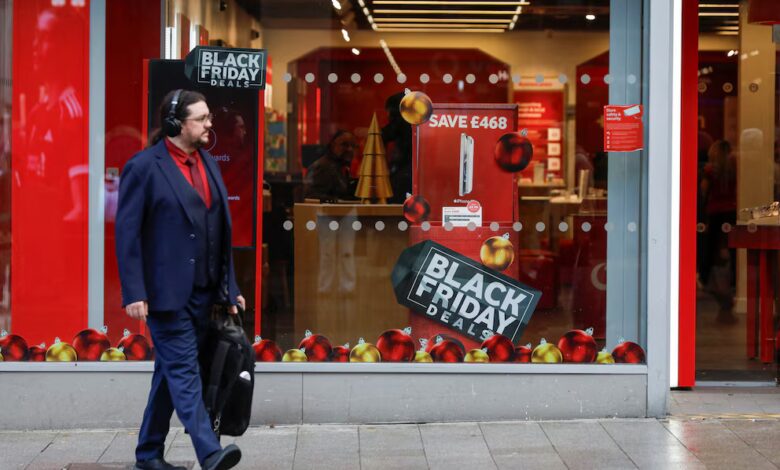
A scandal has erupted in Spain over major retail chains caught engaging in misleading advertising during last year’s Black Friday. The Ministry of Consumer Affairs and Social Policy announced fines for five well-known companies, totaling 350,000 euros. The reason was uncovered cases of artificially inflating prices on products just days before the start of the sales, only to then present these as allegedly advantageous deals.
The list of fined companies includes giants such as MediaMarkt, Carrefour, PC Componentes, Notino Italia, and Gestaweb 2020. Two more companies were penalized but not publicly named. The largest fine—110,000 euros—was imposed on Notino Italia, while Gestaweb 2020 will pay 100,000. MediaMarkt and Carrefour received smaller fines, and PC Componentes got the minimum penalty of 1,500 euros.
Price Manipulation and Business Consequences
The violations centered on companies raising product prices just days before Black Friday, only to then drop them back to previous levels and advertise ‘big discounts.’ This scheme allowed them to sell goods at their normal price while presenting them as special offers. Such actions violate Article 47.1 m) of the Consumer and User Rights Protection Law, which prohibits misleading customers about the actual benefits of a purchase.
Authorities have ordered five of the seven fined companies not only to pay the penalties, but also to publicly disclose their violations and remove false discount information from their advertising materials. This measure aims to prevent similar cases in the future and strengthen consumer trust in promotions.
Stricter Oversight of Advertising and New Marketing Tactics
The ministry has announced the launch of a new campaign to combat fraud in both online and offline retail. Special attention will be given to websites and stores frequently using tactics such as ‘drip pricing,’ high-pressure sales, dynamic pricing, personalized offers based on personal data, and misleading price comparisons.
Among the methods now under close scrutiny are fake countdown timers and claims of supposedly limited stock. These tools create a sense of urgency, pushing customers to make purchases faster than they normally would. Authorities will also ensure that the lowest price from the past 30 days is used in price comparisons, as required by Article 20 of the Retail Trade Act.
Market Response and Next Steps
The disclosure of offenders’ names and the amounts of fines has sparked widespread reaction among consumers and business representatives. Many buyers voiced dissatisfaction over being misled, while companies are now forced to reconsider their marketing strategies. Experts note that stricter oversight could lead to greater transparency in promotions and sales in the future.
The Ministry of Consumer Affairs emphasizes that the fight against deceptive advertising will continue. In the near future, there are plans to step up monitoring of promotional pricing to protect consumer interests and prevent similar schemes from recurring. Authorities urge citizens to stay vigilant when shopping and to report any suspicious offers.