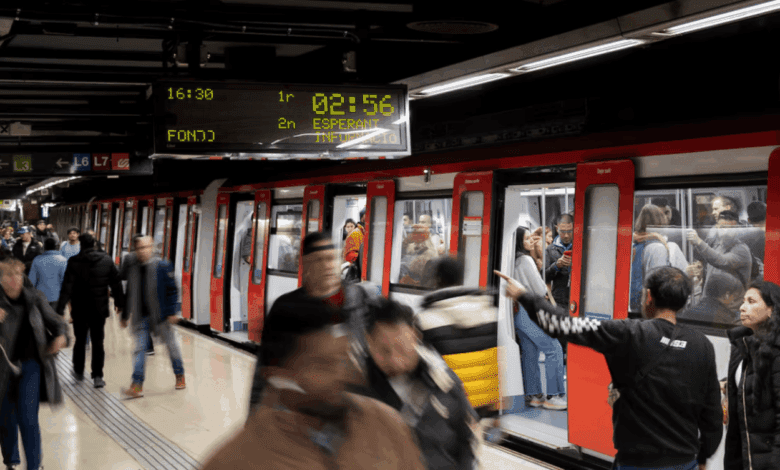
In Barcelona, peak hours for public transport have shifted. The reason is new work habits among city residents: more and more people are opting for flexible schedules and the opportunity to work from home. This has noticeably changed the city’s rhythm and forced transit companies to rethink their approach to managing transportation.
Previously, passenger traffic peaked during the morning hours between eight and nine, but now many start their commute much earlier. Between 6 and 7 a.m., the number of passengers has grown by almost a third compared to pre-pandemic times. The traditional evening rush has also shifted: on Fridays, for example, metro and trams are especially crowded by midday, as people hurry to wrap up the workweek and head off for some rest.
In recent years, more and more Barcelona residents prefer to work from home on Mondays and Fridays. This is immediately evident in the reduced number of commutes on those days. Meanwhile, on Tuesdays, Wednesdays, and Thursdays, the city’s transport hubs fill up again, but not as steadily as before. New peaks have emerged: in the morning, around lunchtime, and in the evening as children return from school and adults finish work.
Transit adapts to the new reality
Transport operators report that traditional tickets have been replaced by passes designed for regular commuting. This shift comes as more people use the metro and buses not only for getting to work, but also for personal errands, meetings, and leisure. This trend is especially noticeable on Fridays: from afternoon until late evening, metro and tram stations are packed as city residents head out to meet friends or visit bars.
Buses are keeping pace as well, carrying over 800,000 passengers on weekdays. There’s a particularly heavy influx around five or six in the evening, when students are returning home. Railway lines connecting Barcelona with its suburbs are also seeing a rise in passenger numbers during early morning and lunchtime hours. Even with more frequent trips, there haven’t been any serious overcrowding issues—companies are managing to adjust schedules and add extra services during peak hours.
Problems and challenges for transport operators
However, not all transport systems are coping equally well. Some rail routes are experiencing disruptions due to lack of funding and ongoing repairs. This forces passengers to look for alternative routes and makes peak demand even harder to predict. Transport companies are already working on plans to increase the number of trains and buses throughout the day to avoid overcrowding in the future.
Overall, Barcelona is becoming a prime example of how modern work trends can completely reshape the usual rhythm of a city. Flexible work and new habits among residents require transport companies to constantly adapt and seek innovative solutions.