This year, the flu season in Spain started unexpectedly early and quickly gained momentum. Doctors report a sharp rise in cases, with infection rates already surpassing the epidemic threshold. The situation is particularly serious among the youngest group—children aged one to four. Over the past week, the number of cases in this age group has nearly doubled, prompting concern among pediatricians and parents.
According to official data, there are now more than 110 cases per 100,000 inhabitants, whereas a year ago this figure was almost ten times lower. Health professionals attribute the unusually early and intense start of the epidemic to the emergence of a new flu strain—subtype H3N2, specifically its K subclade. This version of the virus has been circulating in Europe for several months and now appears to have reached Spain.
The Child Factor
The highest increase in cases has been recorded among young children. In the one to four-year-old age group, the infection rate has exceeded 420 cases per 100,000, nearly double that of teenagers and even infants. Doctors explain that immunity in this age group is not yet fully developed, and the new strain of the virus has proven to be particularly contagious.
So far, the surge in flu cases has not led to a sharp rise in hospitalizations, but experts are closely monitoring the situation. In other countries where subclade K emerged earlier, such as Japan, an increase in severe cases and hospitalizations followed the spike in infections. In Spain, there is still no official confirmation that this particular variant is dominating, but experts consider it highly likely.
Vaccination and protection
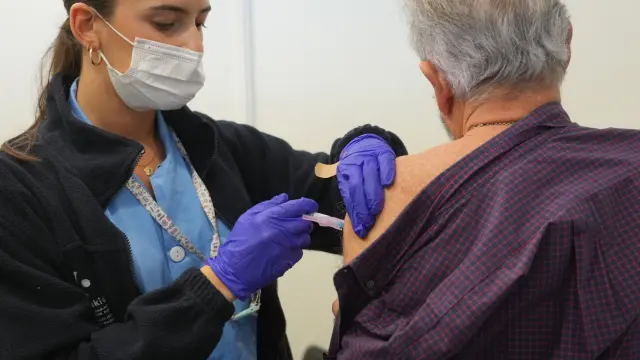
The flu vaccine remains the primary means of prevention, but this season’s vaccine was developed before the emergence of subclade K. This means its effectiveness against the new version of the virus may be lower than usual. Nevertheless, doctors recommend getting vaccinated: even if the protection is not absolute, it reduces the risk of severe complications and protects against other flu strains.
Special attention is given to high-risk groups—elderly people, pregnant women, patients with chronic illnesses, and, of course, children. Authorities in some autonomous communities have already mandated mask-wearing in medical facilities and recommend taking precautions: wash hands frequently, avoid crowded places, and consult a doctor at the first sign of symptoms.
Recommendations and measures
European experts advise not to delay vaccination, especially for those in high-risk groups. At the first sign of illness, doctors recommend starting antiviral treatment as early as possible—it helps reduce the risk of complications. In closed communities, such as nursing homes, preventative measures may be prescribed for all contacts, regardless of their vaccination status.
Medical institutions across the country are revising their protocols and preparing for a possible influx of patients. Doctors remind the public: it’s important not only to get vaccinated, but also to follow simple guidelines—wear a mask if you have symptoms, ventilate rooms, practice hand hygiene, and avoid self-medicating.
Symptoms and progression
This season, flu most commonly presents with cough, high fever, general weakness, and nasal congestion. Sore throat, headache, and muscle aches are reported less frequently. According to the latest data, the highest incidence is among children aged one to four, followed by teenagers and infants.
Doctors emphasize: even if the virus has not become more dangerous, its rapid spread may lead to more complications, especially among those who are typically well protected by vaccination. That’s why it’s important not to lower your guard and seek medical attention at the first signs of illness.