A new list has been published in Geneva, detailing companies that continue to operate in territories considered disputed by the international community. This time, the list includes four organizations from Spain, one of which is directly linked to state institutions.
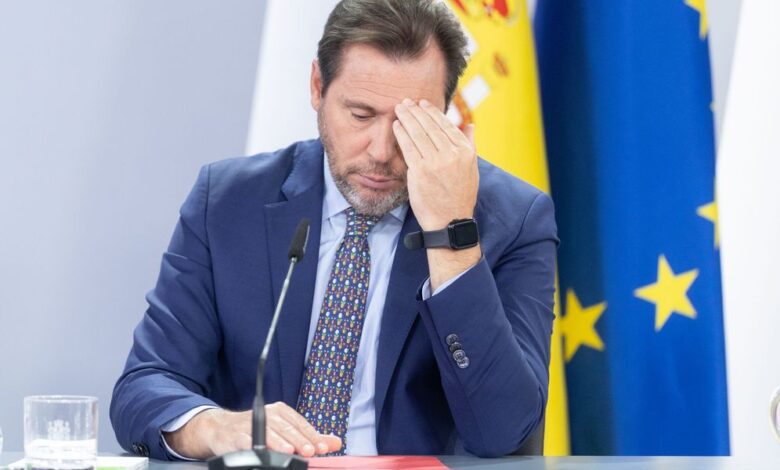
Particular attention was drawn to Ineco, a company under the Ministry of Transport and Sustainable Mobility, headed by Óscar Puente. Alongside Ineco, the list features major players such as ACS, led by Florentino Pérez, its subsidiary SEMI, and CAF from the Basque Country, in which the regional government holds a stake. All these companies were involved in railway projects, notably the development of Jerusalem’s tram network, routes of which partially run through disputed areas.
The updated list now includes 158 companies, most of which are Israeli. However, it also features representatives from the United States, France, the United Kingdom, and, of course, Spain. Last year, the list included 97 firms, though seven were removed and new ones added. Spanish companies have come under particular scrutiny not only because of their activities, but also in light of the political context: in recent months, the government led by Pedro Sánchez has actively spoken out against actions by Israeli authorities in the Gaza Strip, tightening restrictions on arms supplies and supporting protest movements.
Of particular interest is the involvement of the state-owned company Ineco, which has previously been embroiled in scandals related to high-level appointments. However, the UN list itself is for information purposes only and does not lead to automatic sanctions. The organization merely recommends that companies review their policies and assess the impact of their activities on human rights.
Meanwhile, debates continue in Spain regarding the admissibility of national firms participating in infrastructure projects abroad, especially when it comes to territories with unresolved status. The issue remains open, and public attention to it is only increasing.