Murcia launches a large-scale program to ease city traffic during Easter and the Spring Festival 2026. City authorities are introducing free public transport and expanding the parking network to avoid gridlock in the center. These measures aim not only to make travel easier for residents and visitors but also to support environmental standards that are increasingly important for Spanish cities.
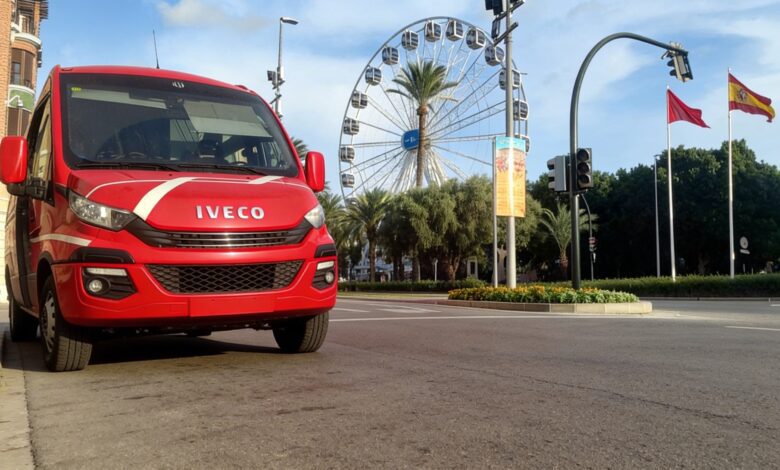
The city administration has announced a special plan covering key dates for mass events. Free bus and tram rides will be available on April 7 and 11—the days expected to have the largest crowds due to traditional processions and festivities. Free park-and-ride lots have been prepared for drivers, with over 400 additional spaces thanks to a new facility near Hacienda on Juan Carlos I. This will allow those entering the city via the main road to quickly switch to public transport and reach the center without delays.
Free transport
On Bando de la Huerta and Entierro de la Sardina—days when Murcia’s streets are traditionally packed—buses and trams will operate free of charge. Special routes and direct shuttles to the historic center and event locations will be organized for residents of suburbs and neighborhoods such as El Palmar, Espinardo, and La Arrixaca. According to russpain.com, this could cut travel time by almost five times compared to regular days.
Authorities emphasize that the new Hacienda parking lot will, for the first time, offer a large, free parking area within walking distance of the tram line. This solution is especially important for those arriving in the city by car who do not want to waste time searching for a spot in the city center. All changes have been coordinated with Urbamusa and local police to ensure safety and order during large-scale events.
Safety and coordination
To prevent congestion and emergency situations, city services are providing advance information about road closures and traffic changes through the municipality’s mobile app. More than 50 police officers will be deployed on the streets, alongside dedicated Urbamusa teams and medical services to ensure priority access to hospitals. Additional night services will run for those attending concerts and celebrations.
As part of the safety campaign, authorities are running information drives to remind the public about traffic rules and the importance of using public transport. Special attention is given to accessibility: all vehicles and parking areas are equipped for people with reduced mobility, and city navigation is adapted for the visually impaired.
Experience from previous years
Murcia already has successful experience implementing similar measures. In December 2025, when the city offered free transport for Christmas, the number of cars in the city center dropped by a third, and resident satisfaction rose noticeably. This approach helped avoid traffic chaos and made the holidays more comfortable for everyone.
Other regions of Spain have also seen positive results from similar initiatives. For example, in Santander, after the tragedy on the bridge discussed in the article about the authorities’ actions before the collapse of the footbridge, local authorities increased oversight of transport infrastructure and introduced additional safety measures at large public events.
In recent years, Spanish cities have increasingly focused on free public transport and the development of park-and-ride facilities during major holidays. This approach not only helps reduce the strain on roads but also improves environmental quality. In Barcelona and Valencia, similar schemes have reduced traffic jams and improved resident mobility. In Murcia, authorities hope these new measures will serve as an example for other municipalities and help make city celebrations more accessible and safer for everyone.