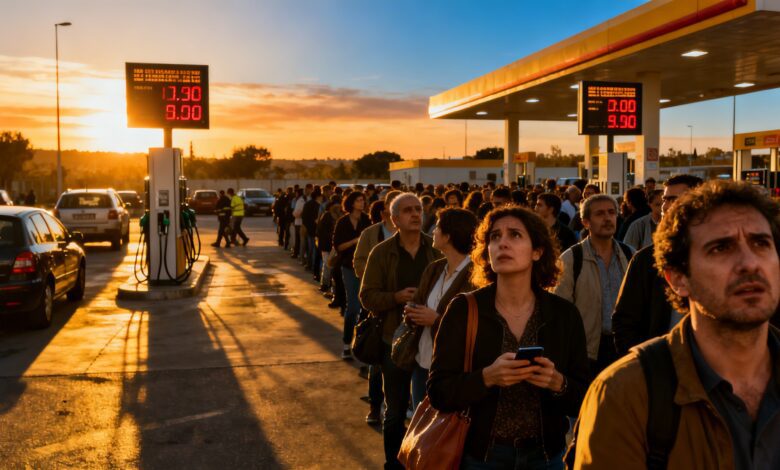
In recent weeks, Spaniards have faced a noticeable rise in fuel prices, directly linked to military developments in Iran. This situation has affected not only the country’s economy but also citizens’ everyday expenses. Authorities warn the consequences could be long-term, and traditional energy consumption patterns may change.
According to RUSSPAIN, the Spanish government is preparing a set of measures to soften the economic blow. While officials have not mentioned shortages, scenarios involving oil and gas supply disruptions are already being discussed in Brussels. The European Commission is urging EU member states to reconsider fuel consumption strategies, particularly in the transportation sector, to prepare for possible disruptions.
European Commission recommendations
Energy Commissioner Dan Jørgensen has sent a letter to energy ministers, calling for voluntary measures to cut oil and gas consumption. Suggestions include limiting personal vehicle use, reducing the number of flights, and prioritizing fuel for critical needs. Similar restrictions have already been introduced in some Asian countries.
The letter notes that the situation is complicated by the limited number of alternative suppliers and insufficient capacity of European oil refineries. The European Commission also recommends accelerating the adoption of biofuels to reduce dependence on traditional energy sources. The Spanish delegation at the emergency meeting in Brussels is represented by Sara Aagesen.
Impact on the economy and daily life
Analysts report that rising fuel prices have already affected inflation: in March, Spain’s consumer price index rose to 3.3% year-on-year. This increase is mainly due to higher gasoline and diesel costs, which impact transportation, agricultural products, and fertilizers. As a result, food and other essential goods are becoming more expensive.
Experts warn that if the conflict continues, the current rise in prices may give way to fuel shortages. In that case, citizens may have to change their habits by relying more on public transportation, working remotely, and saving energy at home. The European Energy Agency has already published a list of ten recommendations, including reducing speed on highways, switching to electric stoves, and limiting car access to cities based on license plate numbers.
Lessons from past crises
The situation is reminiscent of the oil crises of the 1970s, when European countries were forced to implement strict austerity measures. At that time, restrictions affected not only transportation but also household energy consumption. Now, authorities are working proactively to prevent panic and ensure supply stability.
Spain has not yet imposed strict restrictions, but possible scenarios are being discussed at all levels. The Minister of Foreign Affairs emphasizes the stability of gas supplies from Algeria, but dependence on the Middle East remains high. According to russpain.com, further developments will depend on the duration of the conflict and how quickly European countries can adapt to new conditions.
In recent years, Europe has already faced disruptions in energy supplies due to geopolitical conflicts. For example, in 2022, following events in Ukraine, many EU countries were forced to look for alternative sources of gas and oil. Temporary energy-saving measures were introduced, and the adoption of renewable energy was accelerated. These steps helped mitigate the consequences, but could not completely prevent price increases. Now, a similar scenario is unfolding, and past experience may prove useful for decision-making.