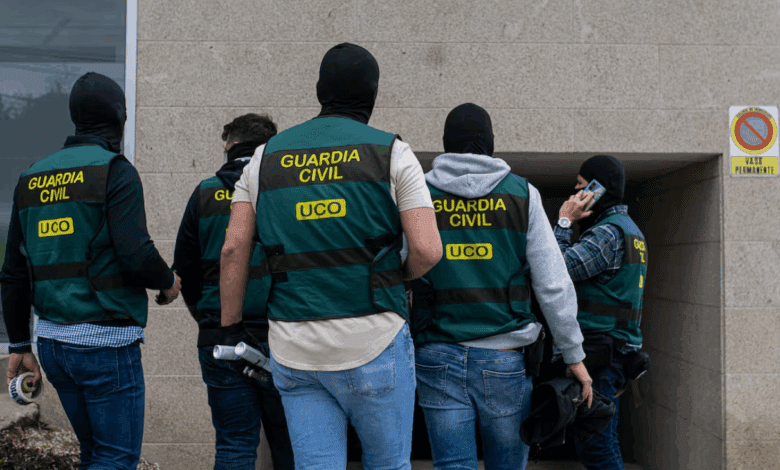
In Badajoz, Civil Guard officers arrested three people and launched an investigation into eight more in connection with a daring copper theft. The case involves two incidents that took place in August at the same waste and materials processing plant in Lobón. The total loss amounted to 2.7 tons of stolen metal, as well as power tools and household appliances.
The thieves acted in an organized manner: they first broke through the gates, then scaled the fence and entered the premises. They quickly loaded up copper and other property before fleeing the scene. The business owner discovered the theft and alerted police, which set off an extensive investigation.
Officers from the ROCA unit, which specializes in combating theft at agricultural and industrial sites, immediately noticed that copper is often resold to scrap metal dealers. They decided to inspect all nearby companies involved in recycling and metal trading.
The search and the evidence
During the inspections, investigators found that in September, nearly 1.2 tons of copper had been delivered to two companies in Badajoz and one in Sierra de Fuentes. Forensic analysis confirmed that some of this metal matched the characteristics of the copper stolen in Lobón. The paperwork for the copper deliveries raised suspicions, as several of those involved were linked by family or friendship ties.
Investigators found that the group operated with clearly assigned roles. Some members carried out the thefts, others handled transportation and distribution, while a third group acted as intermediaries, receiving cash payments for their services. The entire chain was organized for the fastest possible disposal of stolen goods and profit generation.
The investigation is ongoing
Based on the collected evidence and document analysis, authorities identified all participants in the scheme. Three suspects were detained, while the other eight remain under investigation. All reside in Badajoz and Puebla de Obando. Case materials have been sent to court, where the next steps for each suspect are being determined.
The investigation revealed that part of the copper was sold through intermediaries to complicate tracking the origin of the metal. However, due to coordinated police work, it was possible to trace the movement of the stolen property and recover some of it for the business owner.
How the crime was organized
The group was highly organized. Each member had a specific job: some broke into the site, others handled transportation, and others were responsible for sales. Fake documents and fictitious transactions were used to deliver copper to collection points. Some intermediaries had no direct connection to the organizers; they were simply paid for putting transactions in their name.
Police note that such crimes are becoming increasingly common due to the high value of non-ferrous metals. As a result, inspections and monitoring of scrap metal circulation are being tightened, and requirements for accepting metals at specialized companies are being reinforced.
Next steps
The investigation is ongoing: authorities are looking into possible links between the suspects and other similar cases in the region. Efforts are underway to recover the remaining stolen property. Judicial authorities in Badajoz are reviewing case materials and preparing charges.
Authorities urge businesses dealing with scrap metal to be vigilant with new clients and carefully verify documents when accepting materials. Only these measures can reduce the risk of similar crimes and protect businesses from losses.