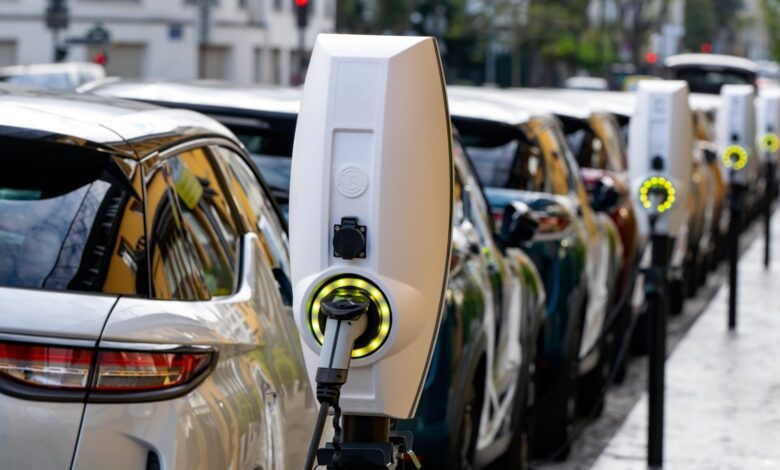
In recent years, automakers have been actively seeking ways to make electric vehicles more convenient and efficient. One of the most talked-about solutions is graphene-based batteries. This material, made up of a single layer of carbon atoms, is renowned for its strength, lightness, and excellent electrical conductivity. Thanks to these properties, graphene batteries can significantly improve the performance of modern vehicles.
What are graphene batteries and how do they work?
Graphene batteries are an advanced type of battery that use graphene to enhance key characteristics. Unlike traditional lithium-ion batteries, these cells offer faster charging, less heat generation, and a longer lifespan. However, widespread adoption of this technology is still limited: most models are undergoing testing, and mass production is only just beginning to develop.
In the future, graphene batteries could form the foundation for new generations of electric vehicles by offering longer range and reducing component wear. For now, however, their use remains confined to experimental prototypes and a few premium models.
Key advantages of graphene batteries for transportation
The main advantage of graphene batteries is their charging speed. The time required for a full recharge is significantly reduced compared to conventional batteries. This is especially important for electric vehicle owners who don’t want to spend hours waiting for a charge.
Another benefit is high energy efficiency. Thanks to graphene’s superior conductivity, these batteries provide a longer driving range on a single charge. They also generate less heat, reducing the risk of overheating and improving operational safety.
Graphene batteries also have a noticeably longer lifespan. The material is resistant to degradation, so batteries retain their performance characteristics for much longer. Additionally, their lighter weight has a positive impact on vehicle dynamics and energy consumption.
Drawbacks and limitations: why graphene batteries aren’t in every car yet
Despite their impressive prospects, graphene batteries also have significant drawbacks. The biggest issue is the high production cost. Manufacturing quality graphene and integrating it into batteries require complex and expensive technologies, which directly affects the final product price.
The technology has not yet reached mass production. Most solutions are still in the testing phase, and industrial standards are just beginning to emerge. This means that, for now, these batteries are available only to a limited number of manufacturers and models.
Another issue is incompatibility with existing platforms. Installing graphene batteries often requires a significant redesign of the vehicle, which increases costs and complicates implementation.
Development prospects and market expectations
Experts predict that in the coming years, graphene batteries could capture a significant share of the electric vehicle market. Their adoption will make transportation more accessible, safer, and environmentally friendly. However, this will require reducing production costs and organizing large-scale manufacturing.
For now, graphene batteries remain a technology of the future that is only just beginning to move beyond the laboratory. In the near term, they are likely to be used in the premium segment and for specialized applications where charging speed and durability are crucial.
Thus, graphene batteries have the potential to redefine the capabilities of electric vehicles, but widespread adoption will depend on time and continued investment in development.