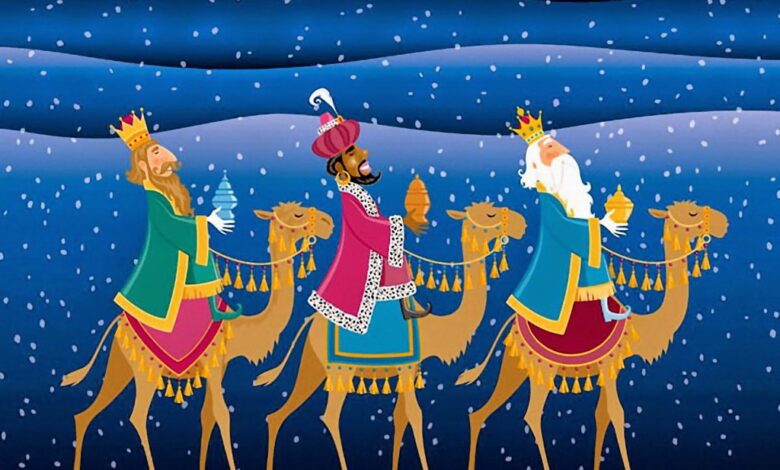
There is a tradition in Spain that turns homes into little islands of magic every January. I’ve often seen how children, with bated breath, aren’t waiting so much for Santa Claus as they are for their beloved Kings — Melchor, Gaspar, and Baltasar. For Spanish families, the night of January 5th to 6th isn’t just the end of the Christmas holidays, but the culmination of childhood dreams and family warmth.
It all starts long before the actual day. As early as December, children begin writing letters, sharing their achievements and, of course, listing their desired gifts. I remember my nephew carefully writing out every letter for hours, making sure the Kings would know he had earned a new construction set. These letters contain not only requests, but also promises to behave well in the coming year. Adults watch this ritual with a smile, as it brings generations together.
The magical night
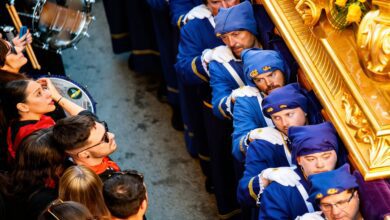
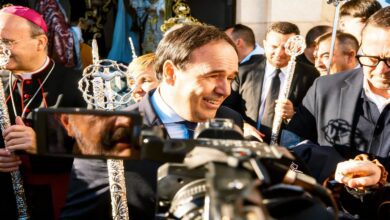
The true miracle begins on the evening of January 5th. In every city and even the smallest villages, colorful processions known as Cabalgata de Reyes take place. One year, I happened to be in Madrid for this event and was amazed: the streets overflowed with children eagerly catching candies thrown from floats, while adults couldn’t hide their tears of joy. After the parade, everyone hurries home—to prepare their shoes, so the Kings know where to leave the gifts.
There was always a special atmosphere in our house: the children would carefully clean their shoes and pick the most prominent spot for them in the living room. Nearby, they would leave a glass of milk, a piece of turrón, and a bowl of water for the camels. I still remember waking up at dawn as a kid, running straight to my shoes—the excitement was so intense, my heart would pound as if I’d just finished a marathon.
Family traditions
On this day, the whole family gathers around the table to share in the joy together. Breakfast features the lavish Roscón de Reyes—a round pastry decorated with candied fruits, with a figurine and a bean hidden inside. Whoever finds the figurine becomes ‘king’ for the day, while the one who gets the bean has to buy the cake next year. I once got the bean—and ever since, I’ve been the one to buy the Roscón for everyone.
But it’s not just the gifts that make this day special. The real magic is in the anticipation itself—the sense of wonder that brings children and adults together. Even if a child doesn’t get exactly what they asked for, they still believe: The Kings know best what they need. And if someone wasn’t on their best behavior, they might find a piece of sweet coal in their shoe—a reminder to try harder in the new year.
The magic continues
I often hear from friends that this holiday is what takes them back to their childhood. Even adults who long stopped believing in miracles love joining in the preparations: decorating the house, helping to write letters, figuring out how to sneak in the gifts. On this day, even the most serious people feel a bit like magicians.
On the evening of January 6, when the gifts are unwrapped and the cake is gone, a true holiday spirit lingers at home. Children share their excitement, adults reminisce about their own childhoods, and laughter can still be heard in the streets for hours. In that moment, you realize: magic exists as long as we believe in it.
RUSSPAIN reminds that the tradition of celebrating King’s Day has its roots in the biblical story of the Magi who visited baby Jesus. In Spain, this day is an official holiday, and parades and family dinners take place across the country—from Madrid to even the smallest villages. Each region adds its own flair: in some places, the Kings arrive by boat, in others on camels or even tractors. But the essence remains the same: it’s a celebration of hope, joy, and family warmth.