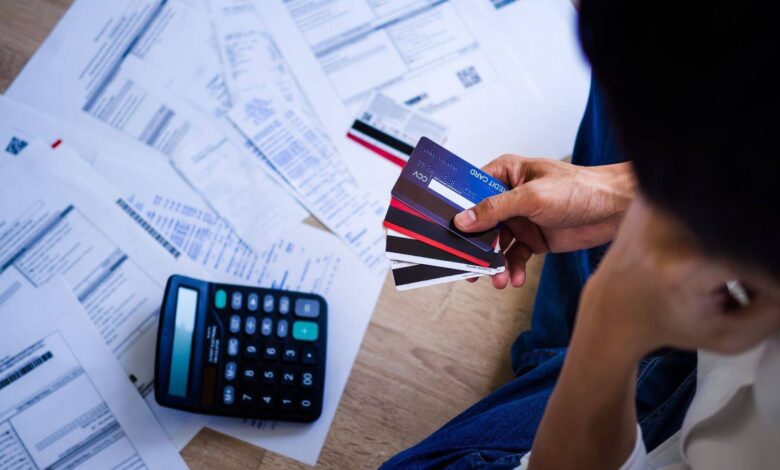
In recent months, Spain has faced a new wave of debt crisis: microloans are once again becoming a lifeline for thousands of families, but often turn into a real trap. In low-income neighborhoods like Entrevías in Madrid, residents are increasingly forced to rely on quick loans just to cover basic expenses. Even with stable jobs and seemingly sufficient income, many families find themselves in situations where most of their salary goes toward paying off debts.
Debts are rising faster than incomes
Families who until recently managed their monthly payments are now forced to take out loans for everyday needs. The reason is the constant increase in the cost of food and utilities. As a result, even those earning above the average find themselves in a position where loan repayments eat up as much as 70% of the family budget. Often, spouses take out loans independently of each other, unaware of the other’s debts, which leads to shocking discoveries and total amounts exceeding 30,000 euros.
In most cases, it’s not about large purchases or luxury, but an attempt to cover the monthly shortfall. People live under the illusion of financial stability until they face reality: the interest on microloans rises exponentially, and the payments become overwhelming.
Microloans: quick cash with dangerous consequences
According to the Bank of Spain, the volume of consumer loans in the country has reached a historic high, surpassing even the figures of 2008. However, in recent years, the microcredit market has changed: large financial companies have given way to small firms that lend money within minutes and without credit checks. These organizations are not subject to banking regulations, and their terms are often extremely disadvantageous for borrowers.
Today, it’s possible to get a microloan by simply presenting your ID. The amounts are small—up to 300 euros—but the interest rates are astronomical. The first loan is often offered at zero percent, but the next may come with an annual rate exceeding 3,000%. If the money isn’t paid back on time, the debt can triple in just a few months, and the borrower ends up in a vicious cycle: to pay off one loan, they have to take out another.
Losing control and widening the social gap
Young people and low-skilled workers are especially vulnerable. Many of them, facing financial hardships or gambling, quickly lose control over their spending. As a result, in just a few months the debt can grow to 10,000 euros or more—a sum that’s impossible to manage on a modest salary.
Experts note that social inequality is deepening in the country: some are able to save money, while others are forced to live on credit, without access to traditional banking services. Microloans have become a last resort, but in reality, they only make the situation worse.
Financial companies out of control
Many microfinance institutions operate without a banking license and are not subject to government oversight. This allows them to set any terms they wish and rapidly increase their turnover. Some companies, such as Moneyman, have boosted profits by 60% in a year while significantly reducing their own debt burden.
Those affected by such loans are often ashamed of their situation and avoid seeking help, which only worsens the problem. Lawyers advise not to delay resolving the issue and to challenge predatory terms in court. Otherwise, the debt will continue to grow, and borrowers risk having their assets seized.
Debt trap: how to escape
Microloans, once seen as a quick fix, have become a dangerous trap for thousands of Spanish families. Without proper regulation and financial literacy, borrowers fall prey to aggressive companies that view clients merely as a source of profit. Experts urge not to ignore the problem and to seek legal protection, to avoid remaining stuck in debt for years.