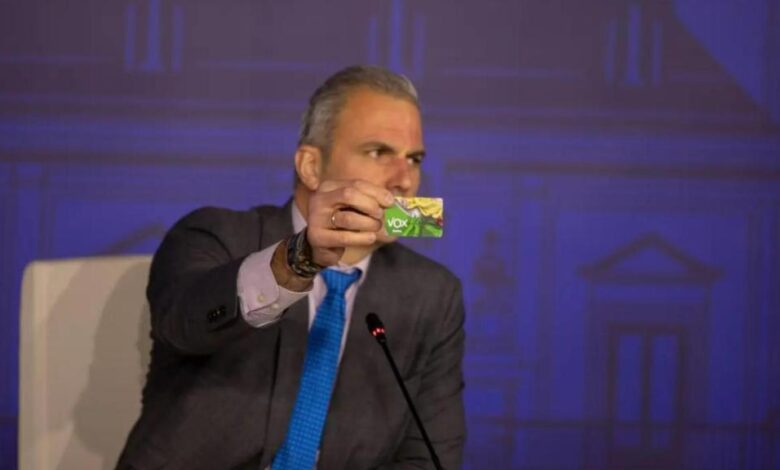
A sharp political crisis has erupted within the Vox party in Madrid, potentially shifting the balance of power in the city council. The expulsion of two prominent figures—Carla Toscano and Ignacio Ansaldo—came as an unexpected move, sparking reactions among both supporters and opponents of the party. For Madrid residents, this event signals possible changes in city governance and raises new questions about the stability of the opposition.
According to Ale Espanol, the decision to temporarily suspend Toscano and Ansaldo was linked to their refusal to recognize the new official group spokesperson appointed by the Vox leadership. Both politicians sided with Javier Ortega Smith, who also rejected the decision made by the party’s national leadership. Now, of the five Vox representatives on the Madrid council, only two remain officially affiliated with the party, while the fate of the others depends on the outcome of disciplinary proceedings.
Causes of the conflict
Internal party tensions began after the central party leadership decided to replace the head of the city council faction. Despite being officially notified, Ortega Smith continued to perform his duties and refused to acknowledge the new appointee. His supporters, including Toscano and Ansaldo, declined to follow the orders, which the leadership regarded as a breach of discipline.
Particular attention was drawn to the figure of Ansaldo, considered one of the founders of Vox and the party’s first registered member. His expulsion has become a symbol of the rift between the old guard and the current leadership. In response to the decision by the central office, Ortega Smith publicly declared that he saw no grounds for his dismissal, stressing that internal rules do not require a mandatory vote on the matter.
Leadership’s response
The Vox National Committee, monitoring the situation, made it clear that decisions of the executive body are binding for all members, regardless of their seniority or achievements. The party’s secretary general reminded that disciplinary measures may be applied to anyone who fails to comply with established procedures. At the same time, the final decision regarding Toscano, Ansaldo, and Ortega Smith will be made by an independent ethics committee, which has been given ten days to consider appeals.
If the committee deems it necessary, the issue may be referred to the highest executive body for a final decision. For now, only two Vox members with active membership remain on the Madrid city council, weakening the party’s position in municipal politics.
Consequences for Madrid
The situation in Vox recalls recent conflicts between political forces in Spain, where internal disagreements have led to leadership changes and a rebalancing of influence. For example, a recent dispute broke out between the Prime Minister of Spain and the head of the Italian government, which affected Madrid’s participation in crucial European negotiations — you can read more about this in the article on the consequences of the Sánchez-Meloni conflict for Spain.
Internal disagreements within parties often lead to high-profile resignations and shifts in power structures. In recent years, Spain has already witnessed cases where dissent over leadership decisions resulted in mass expulsions and the emergence of new political groups. Such events are usually accompanied by public statements, accusations of betrayal, and attempts to retain control over key positions. As a result, these conflicts can not only weaken a party’s standing but also reshape the political landscape at both local and national levels.