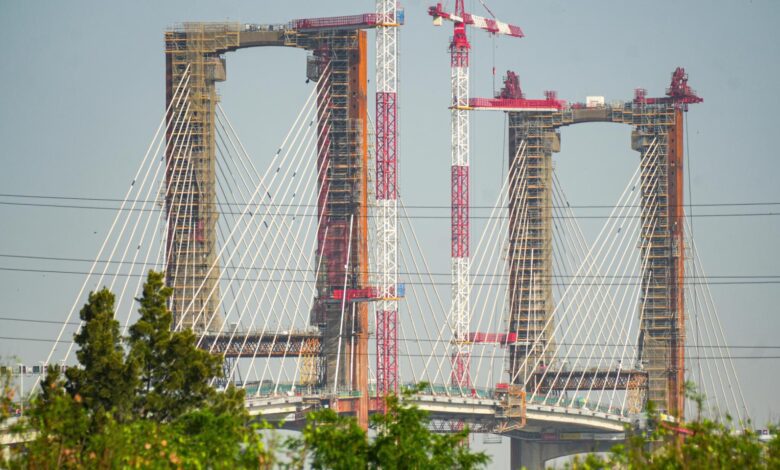
In Spain, spending on infrastructure has once again come under scrutiny following revelations of significant cost overruns at one of the country’s key projects. The focus is on the reconstruction of the iconic Puente del Centenario in Seville, where, according to the Intervención General de la Administración del Estado (IGAE), steel expenses were increased by more than five million euros. This situation raises concerns about transparency and oversight in public contracts, as well as the impact on the budget and trust in contractors.
As IGAE notes, the budget revision took place during one of the project’s additional phases, when the contractor—part of a temporary consortium (UTE) led by Acciona—was allowed to recalculate material costs. As a result, the price of steel was set significantly higher than the market rate, driving up the total cost of the project. This fact warranted a separate analysis, as it involves public funds and major infrastructure investments.
Inspection details
The IGAE audit revealed that during the expansion phase of the Puente del Centenario reconstruction, changes were made to the calculation of steel costs. Experts estimate that the final sum was inflated compared to real market prices for metal at the time. This enabled the contractor to earn extra profit not foreseen in the original contract terms. Attention to this episode has intensified amid suspicions of possible irregularities in the awarding of public contracts.
The situation is further complicated by the fact that the bridge reconstruction project was already under close scrutiny due to suspicions of illegal commission payments during its allocation. Now, questions have arisen regarding the accuracy of the budget estimates and the monitoring of spending. According to RUSSPAIN, such cases are prompting a review of procurement procedures and tighter oversight of contractors.
Response and consequences
The revealed overpricing of the work could lead to a review of the contract terms and possible sanctions for the consortium members. In particular, Acciona, as one of the largest construction companies in Spain, risks facing additional audits and restrictions on participating in future tenders. Authorities have already announced plans to strengthen price controls in public projects to prevent similar situations from occurring again.
Experts point out that such incidents undermine trust in the public procurement system and may result in stricter regulations for all market participants. With government investment in infrastructure remaining a key economic driver, transparency and efficiency in spending have become especially important. Analysis by russpain.com indicates that such audits are becoming more frequent and requirements for contractors more stringent.
Context and similar cases
In recent years, Spain has faced several high-profile cases of inflated costs in major infrastructure projects. For example, in 2024 a similar situation arose during the construction of the high-speed rail line in Valencia, where unjustified expenses for materials were also uncovered. That investigation led to a revision of contracts and stricter control over pricing. Another case was recorded in Madrid during the reconstruction of one of the city’s bridges, when a contractor attempted to add extra costs to the budget without sufficient justification. These examples show that the issue remains relevant and highlights the need for a systematic approach to oversight of public investments.