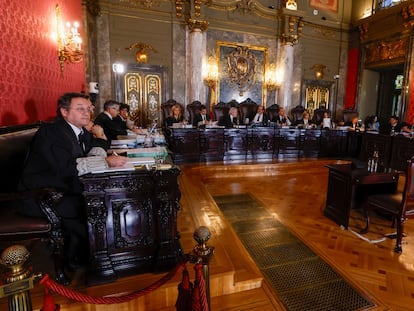
In Madrid, the trial against Spain’s Attorney General Álvaro García Ortiz, accused of unlawfully disclosing confidential information, continues. The fourth day of hearings proved pivotal as six journalists took the witness stand—these were the very reporters who first revealed the contents of the contested email to the public.
At the center of the case is a letter in which the lawyer for businessman Alberto González Amador, partner of Madrid’s regional head Isabel Díaz Ayuso, admitted to tax crimes and proposed a deal. The leak of this letter triggered the prosecution of García Ortiz. Journalists—among them representatives of Spain’s leading media—detailed to the court how and when they gained access to this information.
Testimony from Miguel Ángel Campos of Cadena SER, who was the first to report on the letter back in early February, drew particular attention. His colleagues from other outlets also testified that they were aware of details before García Ortiz launched his own investigation in March 2024. However, the judges questioned the credibility of these accounts, as the journalists could not provide concrete evidence for their claims.
In the morning session, Eugenio Ribón, dean of the Madrid Bar Association, took the stand. He had previously filed a complaint against the prosecutor’s office for publishing a press release denying rumors of an alleged plea deal. Although the Supreme Court did not recognize the publication as a crime, the Bar Association continues to stand by its position.
During the hearings, representatives of the prosecutor’s office also testified, reporting on the internal review of García Ortiz’s actions and the circumstances surrounding the deletion of data from his mobile phone. The court considers this episode as an additional argument for holding the Attorney General accountable.
In the afternoon, several more journalists testified, including staff from El País and El Plural. They all confirmed that news of the letter was already circulating among professionals before García Ortiz’s official inquiry. However, the actual source of the leak has yet to be established.
So far, the proceedings have not brought any new evidence that would clearly indicate who leaked the information. Half of the 40 witnesses have been heard in the first four days. Alberto González Amador himself maintains that he is a victim of publicity that has seriously damaged his reputation. He does admit, however, that he gave his lawyer permission to negotiate with the prosecutor’s office, fully aware that this implied an admission of guilt.
The court proceedings are ongoing, and the outcome could set a precedent for the entire Spanish legal system. The upcoming hearings promise to be just as intense, with not only the fate of a high-ranking official at stake but also crucial issues of transparency and accountability within public institutions.