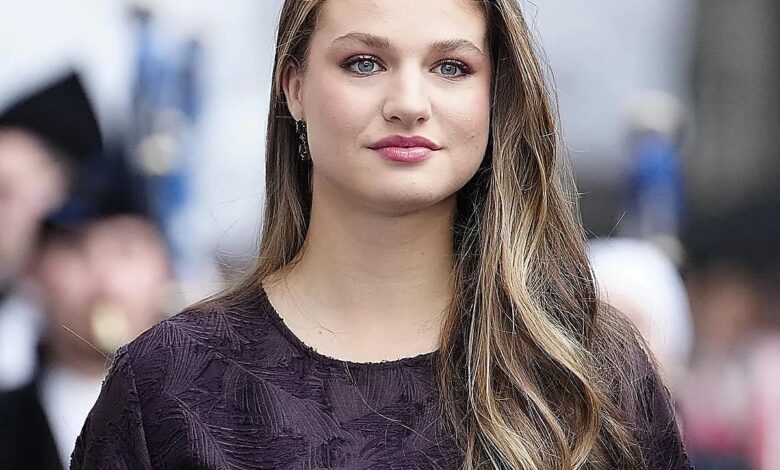
This year I’m watching as European monarchies go through a whirlwind of change. Spain is no exception: in front of the whole country, Princess Leonor is graduating from the military academy in San Javier. This event is being discussed in every corner of the country—as now she’s ready to take on new responsibilities awaiting her in the future. The atmosphere in society is tense yet filled with anticipation: everyone is wondering which university the heiress will choose, and whether her path will resemble that of her father, who once studied in Madrid.
Meanwhile, Leonor’s younger sister, Infanta Sofía, continues her studies abroad. She has already settled in Lisbon, with Paris and Berlin ahead of her. The Bourbon family shows openness to the world and a modern approach to education, earning respect even from skeptics.
Anniversaries and Change
The year 2026 is marked not only by the personal achievements of the Spanish royal family. In Norway, everyone is looking forward to the 25th wedding anniversary of Crown Prince Haakon and Mette-Marit. The princess’s health remains a concern, but hopes for her recovery after a complicated surgery unite monarchy fans across Europe.
In the UK, preparations are underway for large-scale events marking the centenary of Queen Elizabeth II’s birth. Buckingham Palace promises a grand exhibition dedicated to the style and era of the late queen. Despite recent health issues, King Charles III plans to return to active diplomacy and be a guest of Donald Trump at the celebration of the 250th anniversary of US independence.
Wedding Season
Royal weddings always spark excitement, and 2026 will be no exception. London is preparing for the wedding of Marina Windsor, granddaughter of the Duke of Kent, and Nico Macaulay. Peter Phillips, grandson of Queen Elizabeth II, has also announced his engagement. Special attention is focused on the wedding of Eliza Spencer, where Princes Harry and William may appear together for the first time in years.
There are surprises on the Balkans as well: Prince Leka of Albania is marrying young photographer Blerta Celibashi. This event is already being called one of the most dazzling in Eastern Europe’s royal circles.
Diplomacy and sport
Monarchs aren’t limiting themselves to family celebrations. In Luxembourg, the new Grand Duke Guillaume and his wife Stéphanie plan to visit Paris to strengthen ties with France. Meanwhile, Prince Albert II of Monaco and Princess Charlene are headed to France on a state visit, after which he will launch the opening of the Vuelta—the famous cycling race, which this year kicks off in Spain.
The British royal family isn’t forgetting about sports: Prince William and his family may attend World Cup matches in the USA. A visit to Australia could be an attempt to rekindle interest in the monarchy on the distant continent.
A Spanish perspective
For Spain, 2026 is not only a reason for pride, but also a time of change. I personally feel a shift in society’s attitude toward the monarchy: young people increasingly discuss not only traditions, but also the modern challenges facing the royal family. Leonor is becoming a symbol of a new era, with her choices and actions closely examined by both the media and on social networks.
The Spanish monarchy faces a full calendar ahead: from the heiress’s university life to diplomatic meetings and participation in international events. Every step taken by the royal family sparks discussion—and sometimes debate. But it’s precisely this that keeps the monarchy a vibrant part of contemporary Spain.
Princess Leonor is the eldest daughter of King Felipe VI and Queen Letizia, and is the official heir to the Spanish throne. Her military training and further education are considered important milestones on her path to future leadership. Infanta Sofía, her younger sister, is also actively involved in public life and is studying abroad, highlighting the openness and modern spirit of the Spanish royal family.