An event described as historic for modern Spain took place in Madrid. King Felipe VI decided to honor three key figures who played a crucial role in establishing the democratic state. The Order of the Golden Fleece, the highest distinction that can be awarded by the Spanish monarch, will now be held by former Prime Minister Felipe González, as well as two of the remaining living authors of the Constitution—Miguel Herrero y Rodríguez de Miñón and Miquel Roca i Junyent.
The decision to bestow the honor was communicated to the government, and this move is no coincidence. This year, Spain marks half a century since the restoration of the monarchy and is also approaching the 50th anniversary of the coronation of Juan Carlos I. It was during this period that the country underwent a challenging but crucial stage—the transition from dictatorship to democracy, solidified by the 1978 Constitution.
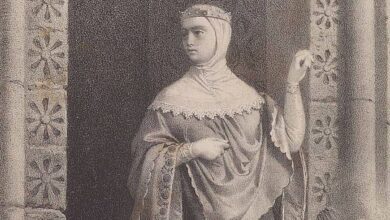
The Order of the Golden Fleece is not just an ornate relic. It is one of the oldest and most prestigious European honors, established in the 15th century by Philip the Good, Duke of Burgundy (Philippe le Bon). The order’s symbolism traces back to myths of Ancient Greece and the history of the Burgundian dynasty. The golden collar with a lamb figurine represents not only distinction but also a reminder of loyalty and service to the state. In Spain, only the king has the right to bestow this honor, and it is reserved for those who have made a significant contribution to the country and the strengthening of the crown.
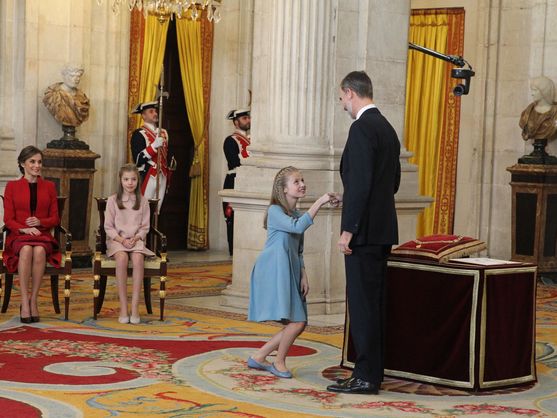
Until now, Felipe VI has awarded the Order of the Golden Fleece only twice: to his mother, Queen Sofia, and his daughter, Princess Leonor. Now, to this short list are added the names of individuals whose work has become a symbol of national unity and political maturity. Bestowing the award on these politicians highlights the monarch’s desire to emphasize the importance of unity and peace achieved during Spain’s transition to democracy.
The awarding of the Order of the Golden Fleece in 2025 is not only an act of recognition, but also a kind of signal to society. At a time when the fundamental principles of the Constitution are being questioned, the king expresses respect for those who stood at the origins of the new Spain. This event has already sparked a broad response and prompted discussion about the role of the monarchy and historical memory in the country’s life.