In the evening, around a hundred people gathered on the Manzanares riverside—local residents and members of environmental organizations. They were united by a common demand: to immediately switch off the new lighting system installed by the city authorities along the river. According to the protesters, this initiative is not only unnecessary for residents, but could also harm the area’s unique ecosystem.
Nearly twenty groups took part in the protest, including well-known organizations advocating for environmental protection. They argue the project is designed solely to attract tourists, while the interests of locals and nature have been put on the back burner. The safety concerns raised by city officials are viewed by activists as exaggerated.
Legal battles and failed attempts to halt the project
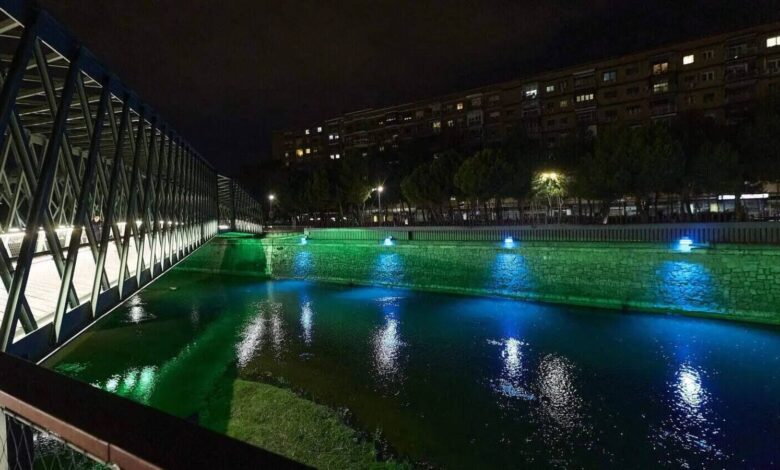
The conflict dates back to the summer of 2024, when modern LED floodlights were installed along a stretch of about 560 meters. Soon after, environmentalists took the issue to court, citing the opinions of dozens of scientists warning about possible negative effects on local flora and fauna. A temporary shutdown of the lighting followed legal proceedings; however, a month later the court denied interim measures, giving the city the green light to turn the lights back on.
Authorities took advantage of this decision in November, when the launch of holiday lights in Madrid’s streets was accompanied by the illumination along the Manzanares. This sparked a new wave of discontent among residents of the Arganzuela and Latina districts, where the controversial installation is located.
A tourist showcase or a threat to nature
According to the municipality, 61 LED spotlights can change color and brightness, creating themed light shows based on the season or holidays. Officials claim their goal is to make the riverbank more attractive and safer for walking. However, residents insist that there is no real safety threat here, and if extra lighting is needed, it should illuminate the pedestrian paths, not the water.
The head of one local association emphasizes that the initiative was not discussed with residents and does not reflect their interests. According to her, the lighting is purely a decorative project that fails to address the needs of those living near the river.
Environmental risks: light as a new form of pollution
Environmentalists and biologists warn that artificial lighting disrupts the natural rhythms of animals and plants. Birds and insects are especially affected, as darkness is an essential part of their life cycles. Constant light could force some species to abandon their habitats, while others may face extinction.
Scientific studies confirm: light pollution in urban rivers alters the behavior of invertebrates, which try to avoid illuminated areas and thus become easy prey for predators. This can disrupt food chains and impact the entire ecosystem.
Residents refuse to give up: protests and legal battles continue
Despite losing in court, activists have no intention of backing down. They continue to organize demonstrations and demand that city officials reconsider the lighting decision. New protests and further legal action are planned.
Local residents stress that they do not oppose beautification, but any changes must take into account both environmental concerns and the views of city dwellers. For now, the lighting remains a point of contention and a symbol of the divide between authorities and the public.