Few people realize that behind the dark atmosphere of famous Spanish horror films lies the recognizable urban landscape of Madrid. Iconic movies such as “The Day of the Beast” (El día de la bestia), “Thesis” (Tesis), “The Devil’s Backbone” (El espinazo del diablo), and “Witching & Bitching” (Las brujas de Zugarramurdi) do more than frighten viewers—they turn Spain’s capital into a true cinematic labyrinth, steeped in mystery and intrigue.
The city as the main character in horror
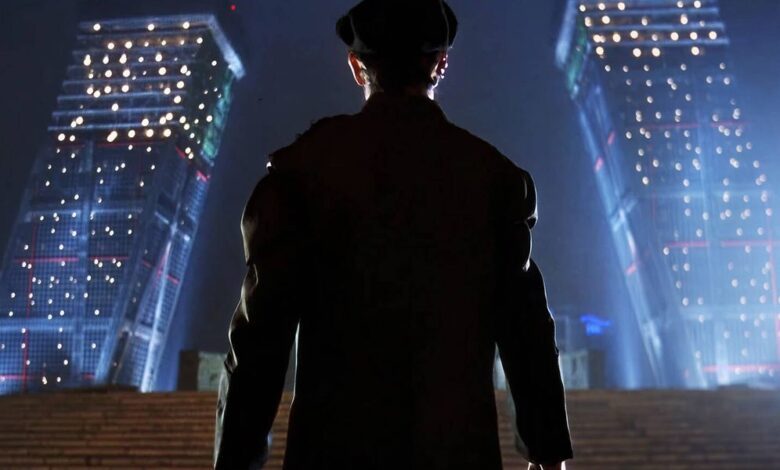
In “The Day of the Beast,” 1990s Madrid is not just a backdrop but a full-fledged participant in the story. From the very first scenes, viewers find themselves in the Plaza de Castilla, then follow the characters through the city’s iconic streets and avenues. The famous Kio Towers (Torres Kio) play a special role—they’re still under construction in the film, symbolizing an era of upheaval and scandal. It is here, amid these concrete giants, that the final battle with supernatural forces unfolds. Urban details—neon signs, vintage cars, the festive bustle of Gran Vía—set the atmosphere where past and present intertwine, and reality becomes elusive.
“Thesis” takes viewers inside the Faculty of Information Sciences at Universidad Complutense. The building may look simple from the outside, but inside it’s a true maze, easy to get lost in both physically and psychologically. This is where a tense cat-and-mouse game between the characters unfolds, with the architecture reflecting hidden meanings and fears.
Places where ghosts come alive
In “The Devil’s Backbone,” the director chose two filming locations in the Madrid region. The orphanage scenes were shot at the Colegio de San Fernando and the historic Carthusian monastery in Talamanca del Jarama. These sites have long attracted filmmakers with their unique atmosphere and rich history. The Carthusian monastery stands out in particular—according to rumor, something inexplicable can still be encountered there. The wine cellars once used by monks are transformed in the film into ominous corridors filled with secrets and ghosts from the past.
“Witching & Bitching” begins its story right in the heart of Madrid. One of the most intense scenes is the robbery of a jewelry store at Puerta del Sol. Filming there was a real challenge: road closures, crowds of tourists, and onlookers eager to spot the stars. Yet it’s precisely this iconic location that gave the film its authenticity and electric energy. Interestingly, the square had already appeared in the history of Spanish cinema—as far back as 1930, it featured in the country’s first sound film.
Legends and mysteries of the capital
Many buildings in Madrid hold their own secrets. For example, the current residence of the regional government, built in the eighteenth century, is shrouded in tales of ghosts and curses. During its construction, workers claimed something sinister lurked there, and the architect even invited a priest to perform an exorcism. These stories still fuel the imagination today and have become part of the city’s folklore.
There was no shortage of mystique in other corners of the region as well. In the film ‘Witches of Zugarramurdi,’ the half-ruined palace of Infante Don Luis (palacio del infante Don Luis) in Boadilla del Monte makes an appearance. Its gloomy halls and central courtyard were the perfect backdrop for creating an ominous atmosphere. Today, the building is gradually being restored, but in the film, it appears in all its frightening glory.
Madrid continues to inspire filmmakers to create new stories, where the city streets become the stage for battles with the supernatural. For fans of the genre, it’s not only a reason to rewatch their favorite films, but also a chance to follow in the footsteps of the characters, discovering the capital from a new and unexpected angle.