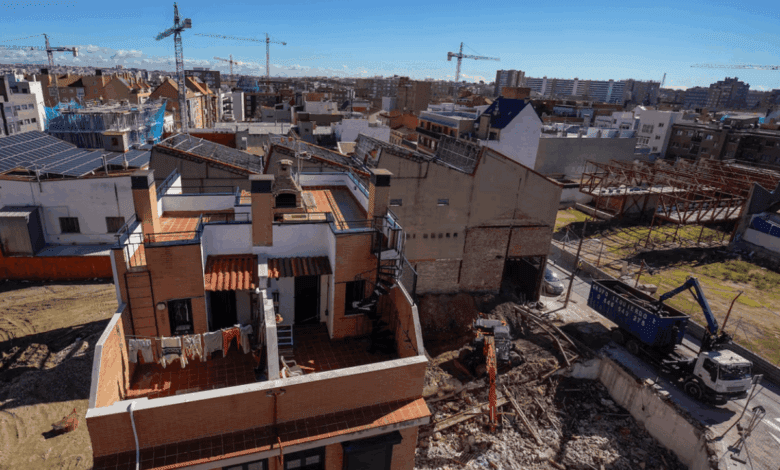
A new project is launching in Madrid that could transform the familiar face of Carabanchel. On the site of former industrial buildings, a new neighborhood will emerge, bringing together modern residential housing and creative spaces. This initiative is significant for the city: it will not only revitalize the area, but also offer young families and artists the opportunity to find affordable housing and workspaces in the capital.
According to El Pais, Antoñita Jiménez Street and six adjacent lanes in the Opañel area have become the focus of a major redevelopment. Over the past five years, Kronos Real Estate has acquired dozens of old factories and warehouses here, intending to create a unique arts district. The plan is to build and restore a total of 25 buildings: 15 will retain their historic features, while 10 will be constructed from the ground up. The total area of development is 38,000 square meters.
Architecture and Housing
The project involves renowned architects, including some recipients of the prestigious Pritzker Prize. Each new building will have its own distinct style, yet all will feature brickwork and preserved elements of the old industrial structures. Some buildings will offer interior gardens, pools, and communal spaces for residents. The first building, designed by Juan Herreros, will introduce 74 apartments with green galleries and relaxation areas.
The neighborhood will get over 300 new apartments, most of which are intended for rent by young people. The first phase, scheduled for completion by spring 2027, will include 150 apartments. Some properties will open earlier: for example, residents will be able to move into the renovated building at Antonita Jiménez, 3 this year. Rental prices start at €1,200 for a one-bedroom and €1,400 for a two-bedroom apartment.
Residents’ opinions
Local reactions to the changes are mixed. Some are weary of ongoing construction and fear rising prices, while others see the project as a chance for the area to break free from neglect and gain new life. Some are concerned that renewal may bring gentrification: housing prices have already nearly doubled in recent years. However, many note that cultural life in Carabanchel is becoming livelier, and the opening of new studios and galleries only reinforces this trend.
At the same time, according to El Pais, some residents feel the neighborhood is losing its traditional working-class character. They worry that new projects may push out long-time residents and alter the neighborhood’s atmosphere. On the other hand, others—especially young creative professionals—support the changes, believing that art initiatives and new spaces will bring fresh energy to the area.
The future of the neighborhood
Construction is taking place in stages: work is underway on several sections, from Antonita Jimenez, 3 to 62. In some areas, new workshops have already appeared; for example, a former bus depot has been transformed into a studio for a sculptor from Mexico. In the coming years, this site will feature not only apartments but also modern spaces for artists, designers, and artisans.
Investors plan to pour over 150 million euros into the project. According to Kronos Real Estate representatives, the main goal is to preserve the neighborhood’s unique spirit and make it attractive for new generations. The aim is to create not just a residential complex but a true hub for creative people and those seeking a new quality of life in Madrid.
In recent years, Spain has seen more and more projects transforming former industrial areas into modern residential and cultural spaces. For example, in Barcelona and Valencia, old factories have already been turned into popular art districts and startup hubs. These initiatives help cities preserve their historical heritage, while opening up new opportunities for development and attracting young professionals. Such changes are becoming a noticeable trend in major Spanish cities, where demand for affordable housing and creative spaces continues to grow.