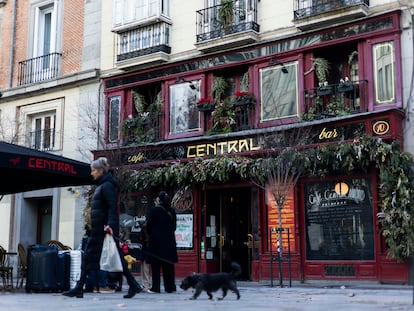
In recent years, Madrid residents have been witnessing a rapid transformation of their beloved neighborhoods. Malasaña, once a symbol of city life and local traditions, is becoming a stage for new trends, as familiar shops give way to businesses targeting tourists. This is more than just a change of storefronts—it’s a transformation of the urban environment affecting the interests of thousands of city dwellers.
Old shops, bookstores, and family-owned businesses are disappearing from the area. In their place, establishments tailored for tourists are opening: cannabis product shops, hostels, concept boutiques, and cafes serving trendy drinks. For many locals, this means the loss of a familiar way of life and the disappearance of places tied to memories spanning generations.
The disappearance of traditions
Over the past ten years, Malasaña has lost nearly thirty iconic venues. Among them are legendary bookstores such as Elektra Cómics, which operated for almost three decades, and Madrid Cómics, which closed after forty years in business. The reasons are a sharp rise in rent and growing investor interest in commercial real estate in the city center. Owners couldn’t compete with large companies willing to pay twice as much for rent.
Other stores have faced a similar fate: the oldest children’s clothing shop, La Moda, opened in the 19th century, has made way for a restaurant with an esoteric flair and live shows. Fruit stands that operated for decades are closing down, replaced by shops selling cannabis oil and other exotic goods. For locals, these changes feel like more than just a shift—they mark the loss of part of the city’s identity.
Tourist influx
Tourism in Madrid continues to surge, and Malasaña has become one of the city’s main hotspots. Over the past few years, the number of 24-hour shops has tripled, while traditional services—laundries, cobblers, record stores—are disappearing. New tenants cater to the tastes of visitors, offering goods and services seldom connected to residents’ everyday lives.
Owners of the remaining bookstores note that most of their visitors are tourists, more interested in souvenirs and coffee than in books. Demand for English-language literature, maps, and postcards is crowding out the usual selection. For many locals, it is becoming increasingly difficult to find familiar goods and services close to home.
A city for visitors
Experts note that the displacement of local residents and traditional businesses happens in waves. First, creative professionals and young people, drawn by the atmosphere and affordable housing, move into the neighborhood. Then, as popularity grows, rental prices soar, and chain stores and major brands replace small shops. As a result, the area loses its uniqueness, turning into a generic space for tourists and affluent visitors.
City officials acknowledge the problem but emphasize that new businesses can also become part of the neighborhood’s life. However, for many residents, these changes mean losing the familiar rhythm and having to look for new places to shop and socialize. Malasaña serves as an example of how global trends are transforming the identity of historic districts.
Lost addresses
Family-owned shops that operated for decades are unable to withstand market pressures. A fruit shop that opened in 1958 closed after large supermarkets appeared and rents increased. Now, products containing cannabis are sold in its place, symbolizing a shift in eras. For long-time residents, this is a painful process, as not only the shops disappear, but also the atmosphere that made Malasaña unique.
A similar situation can be seen in other districts of Madrid, where traditional businesses give way to new formats focused on short-term gains. The question of how to balance the interests of residents with tourism development remains open.
In recent years, similar trends have been observed not only in Madrid but also in other major Spanish cities. Residents in Barcelona and Valencia are also witnessing the disappearance of traditional shops and stores, giving way to chain outlets and tourist services. In Seville and Malaga, rising rents are forcing family-run cafés and workshops to close, replaced by souvenir and fashion stores. These changes have sparked debates about the future of city centers and the need to protect local businesses. Authorities in some cities are already discussing measures to limit rent increases and support traditional establishments in order to preserve the unique character of historic neighborhoods.