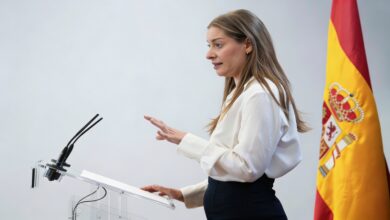
The ongoing debate in Spain over the role of women on popular television shows has been reignited by recent statements from Marta Terrasa, drawing fresh attention to the program Pasapalabra. Her experiences as a contestant and her perspective on the recent victory of Rosa Rodríguez have sparked renewed discussion about fairness and transparency in televised competitions. For many viewers, these issues are crucial, as they directly influence trust in the media and perceptions of women’s achievements in mass culture.
Years after her participation, Marta Terrasa remains one of the most talked-about contestants of Pasapalabra. She is remembered for outperforming strong competitors such as Paz Herrera. In an interview with El Confi TV, Terrasa recalled leaving the show after losing to Pablo Díaz. She explained that the pressure and awareness of her opponent’s strength created extra stress, and that mistakes unimaginable in normal life occurred in that moment. She noted that even with thorough preparation, results often depended on chance and psychological state.
Terrasa emphasized her support for Pablo Díaz and considers him one of the most prepared contestants in the history of Pasapalabra. She said that she keeps in touch with him, though she now more often talks with other former contestants, which she attributes to age and personal preference. According to El Confi TV, this type of relationship among former participants is common, with many regularly discussing game strategies and sharing their experiences.
Reaction to Rosa Rodríguez’s victory
Rosa Rodríguez’s victory on Pasapalabra became the most talked-about in the show’s history, as it brought her a record cash prize. However, this success was accompanied by a wave of criticism and suspicion on social media. In an interview, Marta Terrasa firmly defended Rosa, stating that with such close attention to the show, it would be impossible to count a wrong answer as correct. She is convinced that the jury’s decision was objective and that the victory was well deserved.
Terrasa expressed her bewilderment at the hostility towards Rosa Rodríguez online. She noted that she does not understand why people allow themselves to make such harsh comments and show negativity towards contestants who have achieved success. In her opinion, this behavior is unjustified and only underscores the issues with recognizing women’s achievements in society.
Impact on public opinion
The controversies around Pasapalabra and the discussion of Rosa Rodríguez’s win have once again raised the issue of transparency in Spanish television contests. As El Confi TV notes, such situations spark broad debate about trust in television and the role of women in the media. Many viewers believe that the achievements of female contestants should be viewed without bias and that any accusations must be based on facts, not emotions.
In recent years, Spain has seen growing attention to the way women are represented in popular shows. Wins and achievements by female contestants often spark debates not only in the media but also on social networks, where opinions are divided. An analysis by russpain.com suggests that such debates can affect show reputations and set new standards for future contests.
Context and similar cases
There have been previous instances in Spanish television history when competition wins triggered heated debate and public discussion. For example, following the finals of other quiz shows like Saber y Ganar, questions about fairness and transparency also arose. In 2024, a similar situation unfolded after a major win in a music contest, as viewers actively debated the jury’s decision. Such events show that there remains strong interest in transparency and fairness in competitions, with public opinion often shaped by social networks and the media.