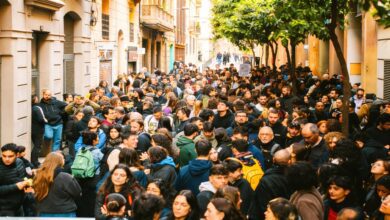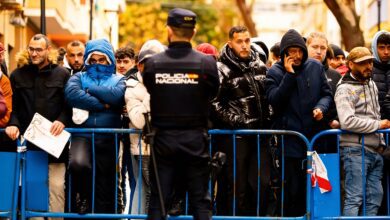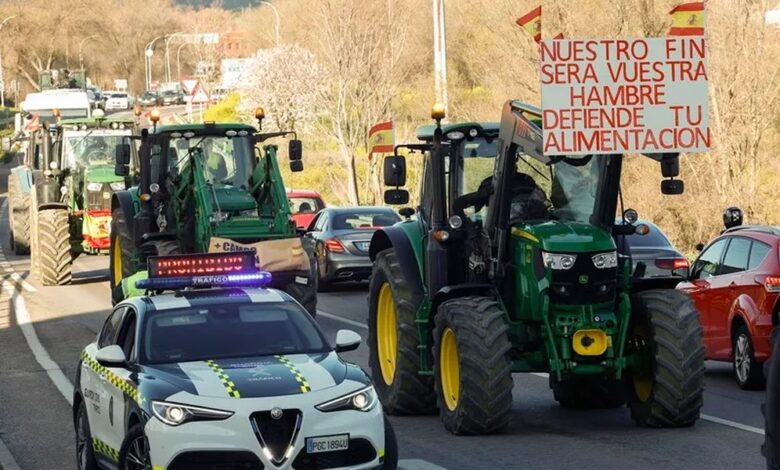
Madrid will face major transportation challenges on Wednesday due to a large-scale farmers’ protest. Hundreds of farmers and livestock breeders from different regions of Spain will bring their agricultural machinery onto the capital’s central streets. This event will directly impact the city’s usual pace of life: traffic will be restricted on main thoroughfares, and access to the center will become more difficult. The reason is the agricultural sector’s dissatisfaction with the terms of the new trade agreement between the European Union and the Mercosur countries, which they believe threatens the economic stability of Spanish producers.
Organizers from Unión de Uniones emphasize that the protest targets not only foreign trade decisions but also the sector’s internal problems. These include rising costs, price instability, and difficulties in the food supply chain. Authorities expect the protest to draw attention to these issues; however, for Madrid residents, the main question will be how to get to work and avoid a transport collapse.
Route and restrictions
The tractor convoy will start from Plaza de Colón between 11:00 and 11:30. The route will continue along the busy Paseo de Recoletos and Paseo del Prado avenues, which are usually crowded with cars and pedestrians. The Ministry of Agriculture will be the final destination, where the farmers plan to present their demands to government representatives. The main participants are expected to arrive by 13:30.
To maintain order and security, strict restrictions have been implemented: no more than 500 tractors will be allowed to enter the city. The route has been adjusted—agricultural vehicles will not appear on Calle Santa Isabel, and movement will be strictly limited to approved directions. Entry into Madrid is organized in five major columns, each departing from different locations in the region. For example, one group will start from Torrejón de la Calzada, another from Guadalajara, a third from El Espinar, a fourth from Robregordo, and the fifth from Arganda del Rey.
Impact on transportation
Authorities warn that from 16:30 to 18:00, additional closures are possible on Carrera de San Jerónimo. The municipality strongly recommends using the metro and commuter trains, as bus routes will be widely altered. This will particularly affect the districts of Barajas, Carabanchel, Centro, Chamberí, Ciudad Lineal, Moncloa-Aravaca, Retiro, Salamanca, San Blas-Canillejas, Usera, and Vicálvaro.
In total, 126 routes of the city’s EMT bus network—about 60% of the entire fleet—will be modified. This includes both central and peripheral lines. Changes will also affect intercity buses running from Torrejón de la Calzada, Guadalajara, El Espinar, Robregordo, and Arganda del Rey. Residents and visitors are advised to check current transport updates in advance to avoid unpleasant surprises.
Authorities’ response
The municipality and police are preparing for possible complications. Additional forces have been deployed to coordinate traffic and ensure safety. Authorities emphasize that any deviations from the agreed route will be stopped. Targeted road closures and rapid changes in traffic organization may be introduced if necessary.
Drivers planning trips to the city center are advised to reconsider their routes and, if possible, refrain from using private vehicles. It is expected that even after the event ends, traffic on some streets will not resume immediately. The situation will remain under close watch throughout the day.
Context and aftermath
Similar protests using agricultural machinery have occurred in Spain before. In recent years, farmers have repeatedly organized mass tractor rallies to draw attention to issues facing the sector. In 2024, a similar demonstration in Sevilla led to major traffic jams and a temporary suspension of public transportation. In 2025, protests in Valencia involved blockades of port terminals and sparked widespread public debate. Each time, such events prompt discussions not only about economic difficulties but also the need for reforms in the country’s agricultural policies. The impact of these protests is felt not only on the day they take place, but also in the weeks that follow, as possible changes to legislation and support for agriculture are debated.