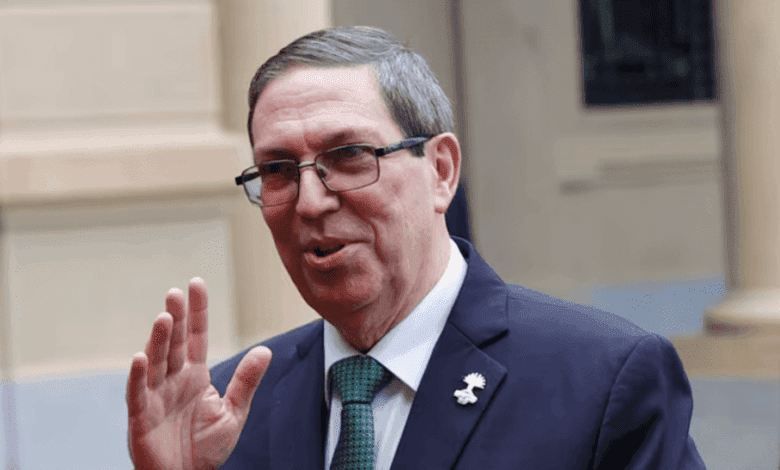
Spain has found itself at the center of international attention following the visit of Cuban Foreign Minister Bruno Rodríguez Parrilla to Madrid. Amid Cuba’s severe energy crisis caused by halted fuel supplies, his meeting with Spanish counterpart José Manuel Albares took on particular significance for both countries. For Spaniards, this event is important not only because of historical ties with Cuba, but also due to potential consequences for business, tourism, and political relations in the region.
On Monday evening, after an hour-and-a-half of talks at Spain’s Ministry of Foreign Affairs (Palacio de Viana), the Cuban minister left the residence without making any public statements. The main topic of discussion was the situation in Cuba and preparations for the upcoming Ibero-American meeting in Madrid scheduled for November. However, behind closed doors, the conversation touched on much more pressing issues—the consequences of the fuel blockade imposed by the US and its impact on the lives of millions of Cubans.
Protests and tension
The arrival of the Cuban minister in Madrid was met with a protest. Nine people, mostly Cubans living in Spain, greeted the delegation with sharp shouts and demands for U.S. authorities to intervene. The protesters accused the Cuban government of dictatorship, emphasizing that, in their view, international agreements only strengthen the regime’s power rather than improve the lives of ordinary citizens. They also reminded about food shortages, lack of medicines, and constant power outages on the island.
Rodríguez Parrilla’s visit was part of his international tour, during which he had already visited China and Vietnam in an effort to secure support amid growing pressure. Meanwhile, the U.S. administration not only halted fuel supplies but also threatened sanctions against countries that attempt to assist Cuba with oil. As a result, the island lost more than 27,000 barrels of oil per day that previously came from Venezuela.
Consequences for Cuba and Spain
Fuel supply restrictions have paralyzed a significant part of Cuba’s economy. Flights have been canceled, hotels have closed, and the tourism sector, which traditionally provides the main source of income, is on the brink of survival. Power outages have worsened, affecting not only daily life but also the work of hospitals, the production of medicines and vaccines, as well as water supply. The UN has already expressed concern that the fuel shortage threatens the operation of intensive care units and other vital services.
Spanish experts note that the crisis in Cuba could also impact Spain’s interests in the region. Tourist and business ties between the two countries have traditionally been strong, and a worsening situation on the island could affect Spanish companies operating in tourism and hospitality. In addition, Madrid is closely monitoring how international pressure and sanctions might shift the balance of power in Latin America.
Diplomatic maneuvers
The Cuban government has sharply condemned US actions, accusing Washington of economic blackmail and attempts to pressure third countries. Havana believes such measures only worsen the humanitarian situation and undermine stability in the region. At the same time, the Spanish side is trying to maintain a balance between supporting democratic values and protecting its own economic interests.
The meeting between Albares and Rodríguez Parrilla was already the third in recent years, reflecting ongoing dialogue between the countries despite external challenges. Notably, against the backdrop of growing tensions in Europe and globally, Spain increasingly faces the need to make difficult decisions on the international stage. The recent conflict between Madrid and Rome, when Spain was left out of key talks ahead of the EU summit, has also been a subject of expert discussion. More on how such diplomatic disagreements could affect Spain’s standing in Europe can be found in the article on the consequences of Madrid’s exclusion from important European negotiations.
Background and related events
In recent years, Spain has repeatedly served as a platform for discussing acute international crises involving sanctions and energy security. One recalls the recent case when restrictions on gas supplies from Algeria sparked concern among Spanish companies and consumers. Similar diplomatic efforts were undertaken regarding Venezuela, where economic hardship also triggered mass protests and international pressure. These situations highlight how closely foreign policy, the economy, and daily life in Spain and beyond are interconnected.