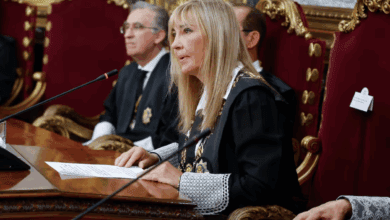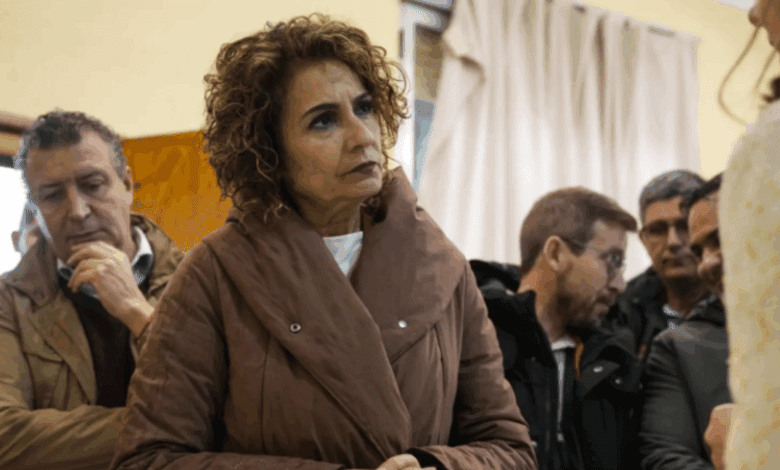
Spain’s agricultural sector is in the spotlight after the leaders of the two largest organizations — Asaja and COAG — declined to attend a meeting with Deputy Prime Minister and Minister of Finance María Jesús Montero. The reason goes beyond busy schedules; it is rooted in deep disagreements over the allocation of aid following devastating storms that severely damaged Andalusia’s agriculture. According to Ale Espanol, around 20% of the region’s crops were completely destroyed, with total losses exceeding €3 billion. This incident has sparked renewed, heated debates between regional and central authorities, as well as among farmers themselves.
Officials intended to discuss support measures for those affected, but the absence of key farming leaders cast doubt on the meeting’s effectiveness. Montero extended invitations not only to agricultural associations but also to unions and rural women’s organizations. Nevertheless, Asaja-Andalusia president Ricardo Serra and COAG representative Juan Luis Avila decided not to attend, citing a lack of time and overload with other urgent matters. Among these are negotiations on the future EU Common Agricultural Policy budget and persistent labor shortages in the fields.
Disagreements over compensation payments
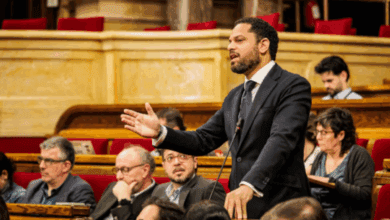
The main cause of tension is the criteria for distributing financial aid. Many farmers believe that the current system does not reflect the true scale of the damage or the economic circumstances of those affected. As a result, some agricultural producers fear that the funding will go to people who do not truly need support. This issue resurfaced during a parliamentary oversight session in Andalusia, where representatives of PSOE and the ruling party exchanged accusations of inefficiency and delays in payments.
According to government officials, €7 billion has been allocated to support those affected, with the first payments already starting to arrive in March. However, regional authorities claim that their own aid programs are more targeted, although applications for them can only be submitted starting in April. Andalusia’s president, Juanma Moreno, emphasized that the delay is due to the need for a thorough analysis of the situation to ensure that funds reach those who have suffered the greatest losses.
Political disputes and consequences
The issue of the speed and transparency of payments has sparked a new round of confrontation between Madrid and Seville. Representatives of the central government emphasize the scale and rapidity of their support, while regional officials point to previous delays in payouts in other regions, such as after the disaster in La Palma or the floods in Valencia. Responding to accusations of stalling, Moreno stated that the regional budget allocates more aid per affected person than the state does.
At the same time, as Ale Espanol reports, many farmers are dissatisfied not only with the amount, but also with the mechanism for distributing assistance. They fear that bureaucratic procedures and political disagreements could mean actual payments are delayed by months. Looking back at recent events, it’s worth noting that similar disputes over distribution of state funds have already led to high-profile resignations within the government. For example, the recent departure of Yolanda Díaz from the post of deputy prime minister was an unexpected twist for the entire political scene, as detailed in the report on the reasons and consequences of the country’s abrupt change in leadership.
Context and recent developments
In recent years, Spain has faced an increasing number of extreme weather events that have caused significant damage to agriculture. Over the past two years alone, farmers in Andalucía and Valencia have repeatedly demanded a review of the disaster relief distribution system. In 2024, similar disputes arose following severe floods in Murcia, where some victims never received the promised payments. In 2025, new support mechanisms were discussed, but their implementation was delayed due to political disagreements between regional and central authorities. These events highlight that the allocation of aid remains one of the most pressing issues for Spain’s agricultural sector.