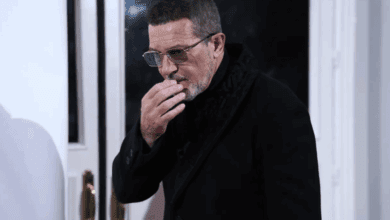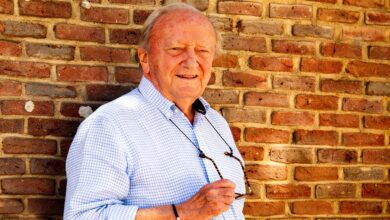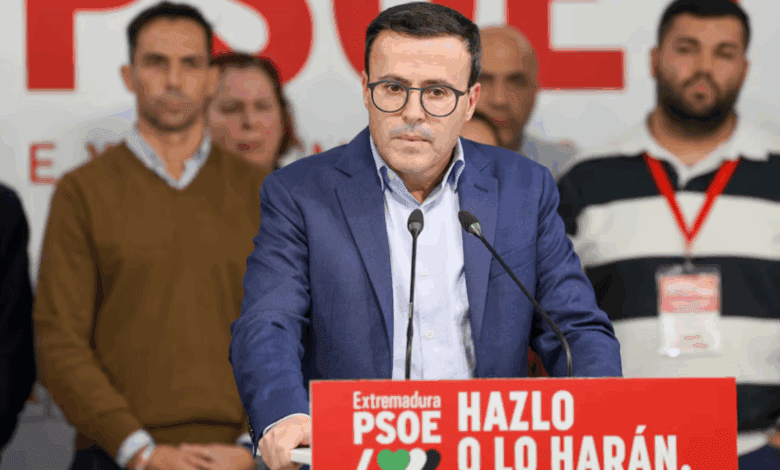
A political scandal has erupted in Extremadura: Miguel Ángel Gallardo, the former head of the regional Socialist branch, has announced his resignation as a deputy. His statement came on the eve of the parliamentary session where he was due to be formally sworn in. Gallardo’s decision took many colleagues and observers by surprise, as he was recently considered one of the key players in regional politics.
The reason for this abrupt move is an upcoming trial involving Gallardo and the brother of Spain’s Prime Minister, Pedro Sánchez. The court hearing is scheduled for May 2026 and is expected to become one of the most talked-about events in Spanish politics. By stepping down, Gallardo automatically loses the immunity that would have protected him from criminal prosecution during the proceedings.
Legal Proceedings Ahead
At the center of the case are allegations of abuse of authority and influence peddling in appointments within the administration of Badajoz province. In addition to Gallardo and the prime minister’s brother, ten other people will also stand trial. Prosecutors are seeking a three-year prison sentence for Gallardo and Sánchez’s relative, citing corruption schemes and illegal appointments.
Interestingly, the prosecution and defense attorneys take the opposite stance: they are demanding full acquittal for all defendants. However, public opinion is already divided, and the trial itself promises to be a true test not only for the reputation of individual politicians but for the entire system of regional governance.
Reactions and consequences
Gallardo, in his public statement, emphasized that he is stepping down in order to preserve his dignity and inner peace. He thanked his colleagues for their collaboration and expressed hope that he could get through this difficult period with a clear conscience. Nevertheless, many experts believe his resignation is not only a personal decision, but also an attempt to minimize political risks for the party on the eve of a high-profile trial.
Behind the scenes of the regional parliament, debate continues about how this will affect the balance of power in Extremadura. Some see Gallardo’s move as a sign of political maturity, while others consider it a sign of weakness and fear of possible consequences. In any case, his resignation has already become a reason for new debates and internal reassessments within the party.
Dates and details
The initial hearings were scheduled for February 2026, but at the request of the parties, the process was postponed to late May. Court sessions are set for May 28 and 29, as well as June 1, 2, 3, and 4. The focus will be on the details of contracts and procedures related to the appointment of Sánchez’s brother to a position in the provincial administration.
The charges have been brought at the initiative of Manos Limpias, an organization known for its high-profile lawsuits against politicians. It is demanding the maximum penalty for Gallardo and the other defendants. At the same time, the defense argues there is no criminal offense and claims the case is politically motivated.
A closer look at the situation
It is hard to ignore that the case against Gallardo and Sánchez’s brother has become a litmus test for Spain’s entire political system. Issues of transparency, accountability, and the influence of personal connections on state decisions are once again in the spotlight. Gallardo’s decision to give up his parliamentary seat is a step that could change not only his own fate but also shift the balance of power both regionally and nationally.
In the coming months, the country faces a period of waiting—and possibly some unexpected twists. Spanish society is watching developments closely, while experts continue to debate whether this process will spark major change or simply become the latest episode in a series of political scandals.