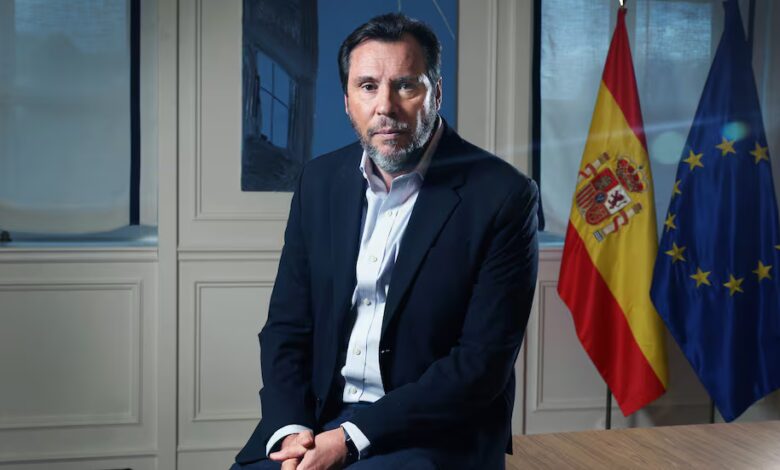
The train disaster in Adamuz, which claimed 45 lives, has sent shockwaves through Spain. Questions about the safety of high-speed trains, trust in infrastructure, and sharp criticism of Transport Minister Óscar Puente have persisted for days. In the spotlight are not only the causes of the tragedy, but also the authorities’ response—many believe they have too hastily deflected responsibility.
Puente has found himself at the center of the scandal: the public is demanding answers, and the opposition is calling for his resignation. The minister himself, however, sees no reason to step down, insisting that his main task now is to investigate the incident in detail and prevent such tragedies in the future. He emphasizes that if a technical malfunction indeed caused the accident, the investigation will reveal all the facts, but in his view, the ministry’s responsibility is unclear if all protocols were followed.
Unanswered questions
While the investigation is just gaining momentum, public distrust of official accounts is growing. Many passengers now look at high-speed trains with caution, and the fear of another tragedy hangs in the air. The minister assures that the likelihood of similar accidents is extremely low and that Spanish railways remain among the safest in Europe. However, arguments about the reliability of the infrastructure sound less convincing in the wake of such a major disaster.
Puente insists that the companies which built the section have an impeccable reputation, and that the rails produced by ArcelorMittal underwent all necessary inspections. The main theory is a microcrack in the rail, which went undetected during scheduled checks. According to experts, it may have caused the track to break apart and resulted in the deaths of dozens of people.
Silence and accusations
Questions remain regarding the quality of track maintenance and the regularity of inspections. The minister admits it may be worth increasing the frequency of technical maintenance but categorically denies any link between the accident and potential shortcomings in this area. He also rejects claims that warnings from train drivers about safety were ignored, stating that most appeals were about working comfort rather than threats to life.
Puente was particularly incensed by comparisons with the recent resignation of Carlos Mazón after a natural disaster. The minister considers such parallels offensive and stresses that he never shirked responsibility, was always at his post, and is ready to answer any questions.
The future of railways
In the aftermath of the tragedy, the minister spoke of the need to revise safety protocols and update infrastructure. In particular, he mentioned replacing sleepers on certain sections to enable trains to run at speeds of up to 350 km/h. Authorities also promise to simplify compensation procedures for victims and their families to avoid lengthy legal disputes.
Puente also pointed out that the liberalization of the transportation market and high traffic density require new control standards. Following the accident in Adamuz, the agency intends to review all internal procedures and introduce additional measures to prevent such tragedies in the future.
A test for the authorities
The scandal surrounding the Minister of Transport is gaining momentum. The public demands not just answers, but real change. For now, Óscar Puente remains in office, insisting that his resignation would not solve the problem and that the investigation will definitely uncover the true causes of the disaster. The question of trust in Spain’s railway system remains unresolved, and the tragedy in Adamuz has already become one of the most talked-about events of the year.