Tensions remain high in Spain following the train disaster in Adamuz, where the accident claimed 46 lives. The Minister of Transport has found himself at the center of a major scandal: despite the release of a preliminary report pointing to serious infrastructure issues, he adamantly refuses to step down. Meanwhile, the head of the railway company Adif unexpectedly announced his readiness to take responsibility if his involvement is proven.
The investigation into the tragedy continues, with the public demanding answers. According to the commission investigating railway accidents, the crash was caused by a crack in the rail, which may have resulted from a manufacturing defect or inadequate maintenance. Engineers and safety experts have already begun inspecting all similar sections to prevent a recurrence of such an incident. However, no one can yet say for certain what exactly triggered the deadly accident.
Unanswered questions
It turned out that the track monitoring system had recorded anomalies in the problematic section even before the tragedy. Sensors and routine inspections did detect irregularities, but the alarm threshold was not reached, and no emergency measures were taken. Train drivers operating on this route did not report any suspicious signs or malfunctions, which only adds more mysteries to the story.
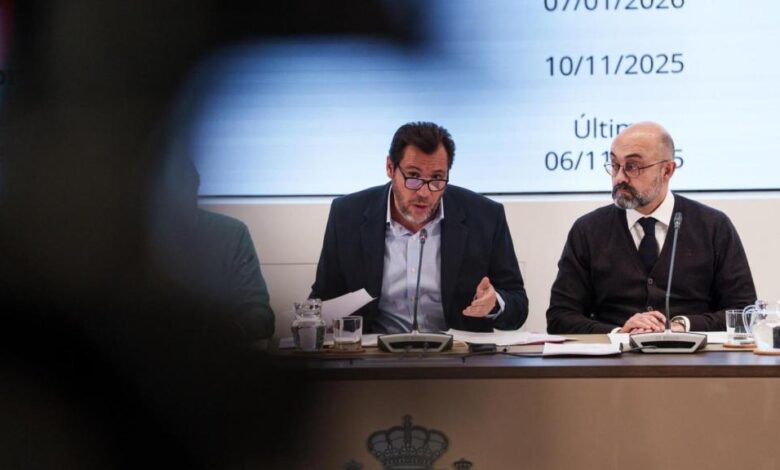
The transport minister, under pressure, stated that he sees no reason to resign. According to him, only those directly responsible for the incident or guilty of negligence should step down. At the same time, the president of Adif, the company responsible for railway infrastructure, publicly promised to resign if his involvement in the tragedy is proven. This move has sparked a strong reaction in society and among politicians, as such statements are extremely rare in Spain.
Railway Secrets
The official report from the railway accident investigation commission has shed light on the details of the catastrophe. Preliminary data indicate the crash occurred due to a break in the welded joint between new and old rails. This section had recently been upgraded and put into service just a few months before the tragedy. The work was carried out by a group of well-known construction companies, previously regarded as reliable government partners.
Experts paid special attention to inspection findings: two trains that passed along this route shortly before the accident suffered wheel damage, indicating a defect on the rail. However, none of these incidents were deemed critical, so operations continued as normal. Reports from Talgo, the company servicing the rolling stock, also noted unusual bulges on the rail surface, which became more noticeable with each passing train.
Inspection Scandal
Amid the investigation, reports surfaced in the media claiming that some of the specialized trains designed to inspect track conditions are allegedly sitting idle due to a lack of necessary permits. The Minister of Transport called these claims false but admitted that some of these trains are indeed not in operation at the moment. The president of Adif clarified that one of the key inspection trains is currently under repair and is expected to return to service in the coming weeks.
Meanwhile, all materials and reports on the accident have already been submitted to the investigative commission. Authorities have promised a thorough examination of all circumstances, but the public demands not just reports, but real action and punishment for those responsible. The question of who will be held accountable for the deaths of dozens remains unresolved, as the scandal surrounding the Ministry of Transport and the railway company continues to escalate.