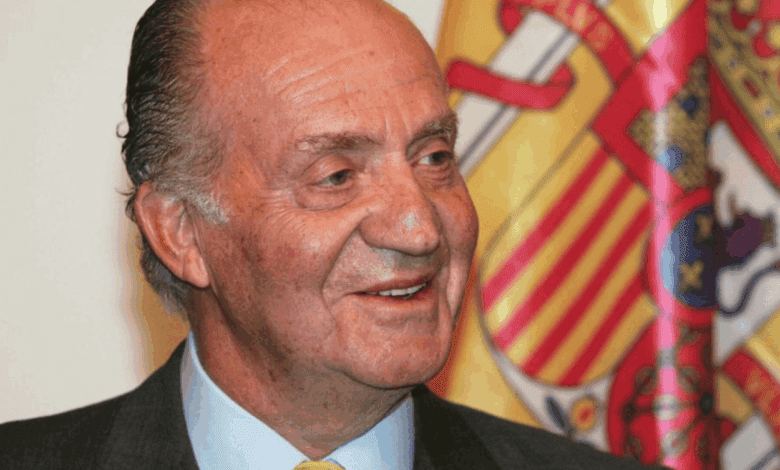
The question of former King Juan Carlos I’s return has become one of the most discussed topics in Spain. For many citizens, this is more than just a personal story about the monarch; it reflects society’s attitude toward power, tradition, and accountability. The consequences of this decision could affect not only the royal family but also the overall perception of the monarchy.
Recent survey data from SocioMétrica, published by Ale Espanol, shows that 68% of Spaniards believe that if Juan Carlos returns, he should live in a private residence rather than the official La Zarzuela palace. Only a quarter of respondents are willing to see him back in the royal household. At the same time, 60% support the very idea of the former monarch’s return to his homeland, despite past scandals.
Public Opinion
The image of Juan Carlos I remains controversial. Nearly half of respondents view him negatively, while 37.5% give him a positive assessment. Even after his role in preventing the February 23, 1981 coup (23-F) was confirmed, two-thirds of Spaniards are not ready to overlook his financial misconduct. This view is shared not only by supporters of left-wing parties but also by a significant portion of the right-wing electorate.
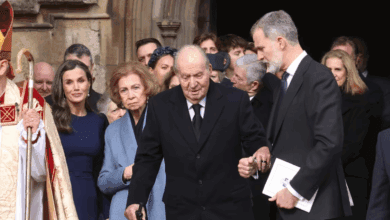
Juan Carlos himself, now 88, does not hide his wish to spend his final years in Spain, within the familiar walls of La Zarzuela. However, most believe that, after financial scandals and his forced departure in 2020, a return to the official palace would not be appropriate. His family’s history echoes similar fates: his grandfather Alfonso XIII died in exile, and his great-grandmother Isabella II never returned to her old life after the revolution.
Political disputes
The debate over the former king’s return has divided politicians and voters. The Popular Party (PP) leader, Alberto Núñez Feijóo, stated that Juan Carlos deserves the right to spend his old age in Spain. He is supported by 75% of PP supporters and nearly 87% of Vox voters. Among socialists and left-wing parties, most oppose the monarch’s return, while some politicians, such as Ione Belarra from Podemos, are demanding criminal prosecution for him.
At the same time, according to a poll, 30% of Spaniards believe the former king should remain abroad. PSOE, Sumar, and nationalist party voters are especially critical. Within the royal family and the government itself, there is no consensus: officials stress that the decision to come back is Juan Carlos’s personal matter, but they are in no hurry to invite him to state events.
Impact on the monarchy
The question of the former monarch’s residence is directly linked to the reputation of the entire royal family. 44% of respondents do not see a threat to the monarchy’s image if Juan Carlos returns, but 43% fear it could damage King Felipe VI. This issue is particularly sensitive among supporters of left-wing and nationalist movements, who associate the former king’s financial scandals with the current government.
Notably, Vox supporters are more likely to back Juan Carlos’s return than the party’s leadership is. Meanwhile, most Spaniards rate the former monarch’s performance as a ‘two’ or ‘three’ out of ten, with only right-wing party voters giving him higher marks.
Historical context
The argument in favor of Juan Carlos’s return often centers on his role in preventing the 23-F military coup. However, two thirds of Spaniards believe this does not excuse his financial misconduct. Even among supporters of the PP and Vox, many are unwilling to ‘forgive’ the former king. In the more than five years he has spent in exile in Abu Dhabi, attitudes toward him have barely changed: most say their opinion is the same, while a third say it has worsened.
In the context of discussions about the role of the monarchy and trust in authority in Spain, other historical events are often recalled. For example, in a feature about the events of February 23, 1981, when Antonio Tejero’s wife spoke about his solitude during the coup attempt, the focus is on how personal decisions shape the fate of the country. You can read more about this in the article on the 23-F coup through the eyes of the Tejero family.
According to Ale Espanol, the survey was conducted among 1,116 eligible voters in Spain at the end of February 2026. The results reflect society’s complex attitude toward the monarchy and show that, even years after Juan Carlos’s departure, his figure remains a topic of debate and controversy.
In recent years, Spain has repeatedly witnessed heated discussions about the return of former leaders and their role in the country’s history. Such debates have surfaced following the release of new documents about the events of 23-F and against a backdrop of scandals related to the finances and property of public figures. Each time, society responds differently, but issues of trust and accountability stay in the spotlight. These situations highlight just how important transparency and integrity are to Spaniards when it comes to the actions of public figures.