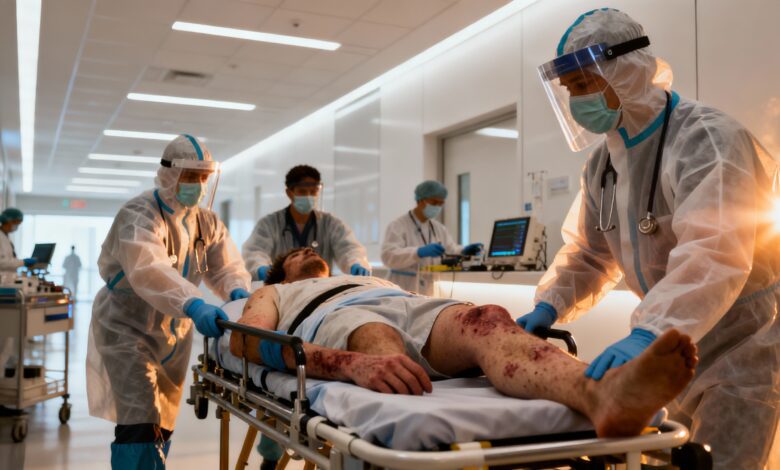
The unexpected rise in monkeypox cases in the province of A Coruña has become a concerning signal for the Galician healthcare system. Seven new cases detected within a short period raised questions about the effectiveness of current preventive measures and exposed gaps in tracing the infection sources. For residents of the region, this means a need to reconsider their usual approaches to personal safety and pay closer attention to their own health.
Authorities note that the outbreak does not have a clearly established origin. Two cases are linked to visits to a sauna in the city, but the other patients had contact with establishments outside Galicia. This fragmentation makes it difficult to identify a single source and requires experts to conduct a more thorough analysis of the virus transmission routes.
Healthcare response
Regional medical services emphasize the urgency of taking immediate action. Special focus is given to prevention efforts among at-risk groups, as well as informing the public about potential transmission routes. Doctors recommend using protection during intimate contacts and seeking medical attention promptly if suspicious symptoms or skin rashes appear.
As part of efforts to contain the spread of the infection, authorities are actively collecting biomaterial for laboratory confirmation of diagnoses and identification of the virus variant. Patients with confirmed diagnoses are required to self-isolate and adhere to strict hygiene protocols. At the same time, officials are tracking and monitoring individuals who have been in close contact with those infected, so that timely vaccination can be offered.
Prevention and challenges
The outbreak in A Coruña once again highlights the importance of monkeypox vaccination for specific groups of citizens. Medical experts emphasize that timely immunization and responsible behavior can significantly reduce the risk of further virus transmission. However, the lack of a clear understanding of how the infection entered the region complicates containment efforts and demands heightened vigilance from the public.
Authorities urge people not to ignore prevention guidelines, especially as some cases are linked to visits to public venues where close contact is possible. Given that transmission chains are not always obvious, rapid diagnosis and isolation become key tools for containing the epidemic.
Context and consequences
The situation in Galicia recalls previous episodes when monkeypox emerged in various regions of Spain. In recent years, isolated cases were reported in Madrid and Barcelona, but such an unclear source of infection is encountered for the first time. Then, as now, the main focus was on informing the public and vaccinating high-risk groups. Outbreaks in public places such as saunas and clubs have already prompted stricter sanitary measures. The experience of past years shows that a prompt response and clear communication between healthcare professionals and residents help effectively contain the spread of such infections.