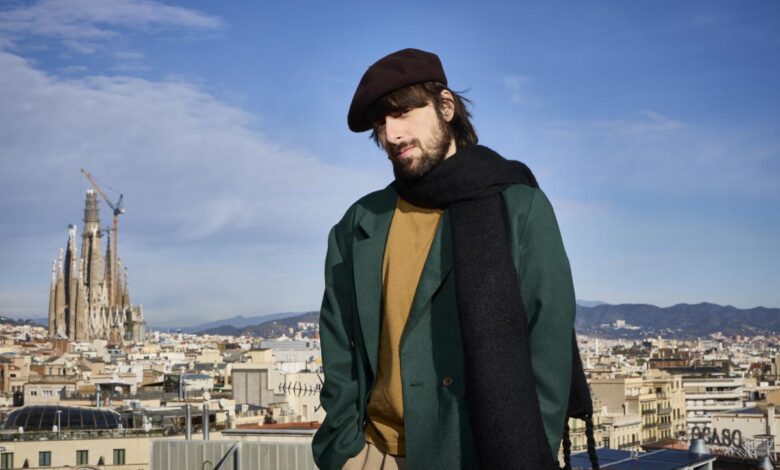
The Nadal Prize 2026 has unexpectedly found itself at the center of Spanish public attention after the triumph of David Uclés’ novel “La ciudad de las luces muertas.” This book has become more than just a literary event—it is a true reflection of the anxieties that residents of Spain’s large cities currently experience. At its heart is Barcelona, a city the author transforms into a character in its own right, confronting the consequences of mass tourism, the loss of authenticity, and internal conflicts.
At a time when the tourist influx has practically overwhelmed the Catalan capital, Uclés’ novel raises difficult questions: what is left of the city when its streets are filled with crowds of visitors and locals lose their familiar way of life? The author employs a literary device—a sudden nighttime blackout that erases the boundaries of time and space, allowing 74 iconic figures from different eras to meet at a single moment. Among them are Carlos Ruiz Zafón, Carmen Laforet, Terenci Moix, Joan Miró, Woody Allen, Mario Vargas Llosa, and Rosalía. Their dialogues and clashes serve as a metaphor for the search for the city’s lost identity.
Dark symbols
The motif of darkness and power outages in the novel takes on several meanings at once. For Barcelona, it symbolizes the emptiness brought by the tourism boom, the disappearance of traditional neighborhoods, and the blurring of cultural boundaries. In the political context, darkness alludes to the era of fascism and resistance to dictatorship, while for the characters themselves, it prompts reflections on the transience of human life and the inevitability of death.
David Uclés emphasizes that art and literature can serve as an antidote to public apathy and a tool for coming to terms with collective trauma. His novel, written back in 2021, turned out to be unexpectedly prophetic: several years after he began work on the book, Spanish society was confronted by a growing sense of ‘social darkness’ and internal discord.
Literary Crossroads
The title of the novel — “La ciudad de las luces muertas” — long gave the author doubts, but in the end it proved to be the most accurate reflection of the work’s atmosphere. The book’s prologue is dedicated to Carlos Ruiz Zafón, whom Uclés sees as the leading literary voice of Barcelona in the 21st century. The narrative also touches on the HIV/AIDS epidemic, paying special attention to the fates of prominent figures such as Julio Cortázar, Freddie Mercury, and Magic Johnson. The author does not hide the fact that he plans to devote a separate book to the pandemic of the 1980s, to honor its victims and to understand the consequences of that tragedy.
The road to recognition was not easy for Ukles: he submitted applications to the competition several times before his novel was awarded the prestigious prize. This victory became not only a personal achievement for him but also an opportunity to stand alongside his favorite authors of the 20th century.
Personal and public life
In an interview, the writer shares details about his life: struggling with arrhythmia, complicated relationships with fame, and plans to move to Prague, where he intends to devote himself fully to literature. At the moment, Ukles is actively promoting his novel and working on a sequel to his previous book, “La península de las casas vacías,” which is set in postwar Spain and is also imbued with elements of magical realism.
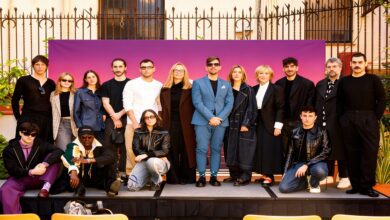
In the context of discussing new literary trends, it is worth recalling a recent heated debate at an award ceremony. A prominent writer openly criticized the head of Madrid, accusing her of failures in social policy. His comments on issues like housing and healthcare sparked a strong reaction and triggered extensive discussions, which were covered in detail on the portal RUSSPAIN.COM. This case clearly demonstrated how sharply society responds to writers’ statements when they touch on the painful issues of our time.
Parallels and contexts
In recent years, Spanish literature has increasingly become a reflection of social and political dynamics. Books addressing the crisis of urban identity, mass tourism, and internal conflicts are resonating with a broad audience. Not long ago, protests against tourist expansion took place in Barcelona, while Madrid debated measures to protect historic neighborhoods from commercialization. Writers and artists are turning more frequently to magical realism and allusions to the past to convey present-day anxieties. Such works are not just artistic statements, but also spark public debate, shaping perceptions of current issues and fostering new perspectives.