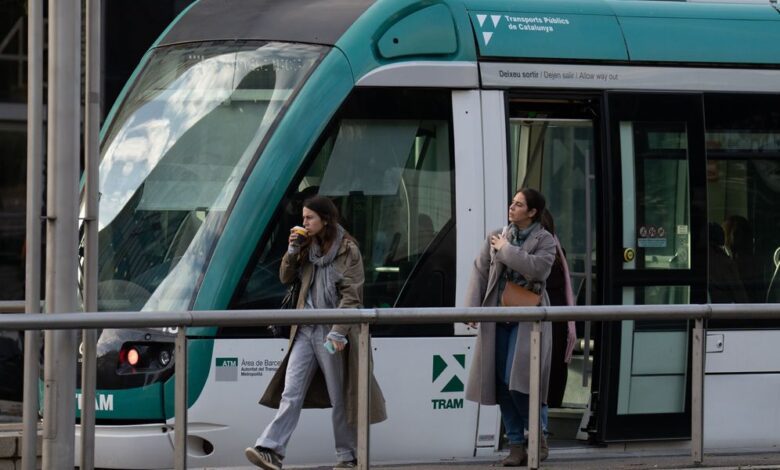
In November, residents and visitors of Barcelona will face another wave of disruptions to the city’s tram service. After prolonged negotiations between the unions and the operator TRAM, employees on the two lines—Trambaix and Trambesòs—have decided to halt operations once more. The reason: a lack of progress on wage increases and improved working conditions.
The strike schedule has already been set: trams will not operate on November 10, 17, 21, and 28. On these days, passengers will have to look for alternative transport options, as service will be reduced to a minimum. During rush hours (6:30 to 9:30 and 16:00 to 20:00), only 40% of trams will run, and at other times—just 20%. This means trams will run very infrequently midday, and cars may be overcrowded.
Causes of the conflict and workers’ demands
Tram workers are demanding wage indexation in line with inflation and are calling for increased investment in maintenance and safety. They believe this is the only way to guarantee stable, high-quality public transport. Talks with TRAM management have dragged on for over a year without an agreement. Employees stress that they are forced to take drastic action to secure fair working conditions and maintain a high level of service for passengers.
Impact on residents and what to expect next
Thousands of tram users are at risk, especially on weekdays when the transport system is under the most strain. Delays, crowding at stops, and possible difficulties with transfers are expected. Union representatives warn that if the situation does not change, strikes could continue into December. So far, company management has shown no willingness to reopen negotiations, and the conflict remains unresolved. Passengers are advised to plan their routes in advance and keep possible schedule changes in mind.
Overall, November promises to be a challenging month for everyone who relies on Barcelona’s tram network. The future of the city’s public transport and the working conditions of its employees remain uncertain.