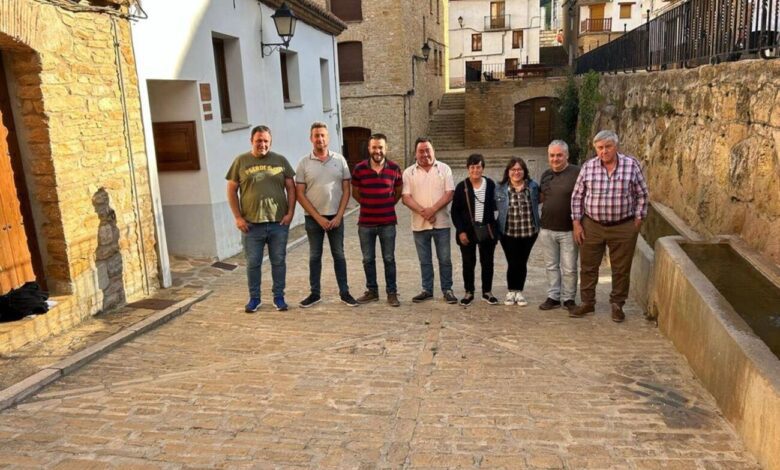
A dispute is heating up in the province of Teruel over the future of a major wind farm. Nine mayors from the Maestrazgo region have appealed to the Spanish government, demanding the immediate start of construction on the wind energy cluster. They say delays have already cost local municipalities tens of millions of euros and stalled nearly a hundred social initiatives that could change the lives of residents.
In a letter addressed to Minister for the Ecological Transition and Demographic Challenge Sara Aagesen, representatives of the Viento Alto Association emphasized that the project has passed all necessary reviews, received positive environmental impact assessments, and faces no legal obstacles. The mayors point out that the wind farm is not being imposed from outside, but is the result of years of local work and discussion.
Economy and Demography
According to local authorities, launching the wind farm is a vital opportunity for a region struggling for years with population decline and job shortages. Municipalities expect to receive 39 million euros in taxes and fees just during the construction phase. These funds are already included in budgets and earmarked for nearly 100 social initiatives: from free kindergartens and support for the elderly to housing for young people and new residents.
Authorities insist that the project is supported by the majority of residents and that all environmental risks have been carefully studied and minimized. They also point to the spread of outdated or inaccurate information about potential environmental harm, which they believe is holding back the region’s development.
Social change
Mayors emphasize that every month of delay means missed opportunities for local families and businesses. Planned measures include reducing property taxes, supporting farmers and local shops, improving infrastructure, and investing in energy efficiency. The Viento Alto Association believes these steps could not only stem the population decline but also attract new residents.
In a letter to the minister, municipal representatives request an urgent meeting and demand that the final bureaucratic procedures be accelerated. They believe that only real projects and investment can change the demographic situation, not empty promises.
Politics and society
The situation in Maestrazgo echoes other examples of small towns fighting for survival. In similar regions of Spain, local authorities are increasingly launching initiatives aimed at developing infrastructure and creating jobs. As highlighted in the report on the rise of support for new political forces in rural areas, residents of small towns are more often demanding concrete solutions instead of formal promises.
According to El Confidencial, the Viento Alto Association believes that the Maestrazgo wind farm is a historic opportunity for the region. The project could serve as an example for other areas facing demographic crises and economic stagnation that hinder development. Local mayors are convinced: if construction does not begin now, the region risks missing a unique chance for transformation.
In recent years, Spain has seen more frequent discussion of projects focused on renewable energy and support for small towns. Similar wind farms have already been launched in Aragón and Castilla-La Mancha, creating new jobs and improving local infrastructure. However, not all initiatives move forward smoothly: in some cases, local residents express concerns about the impact on the environment and traditional ways of life. Despite this, most experts agree that such projects can give a new boost to regions suffering from depopulation and economic hardship.