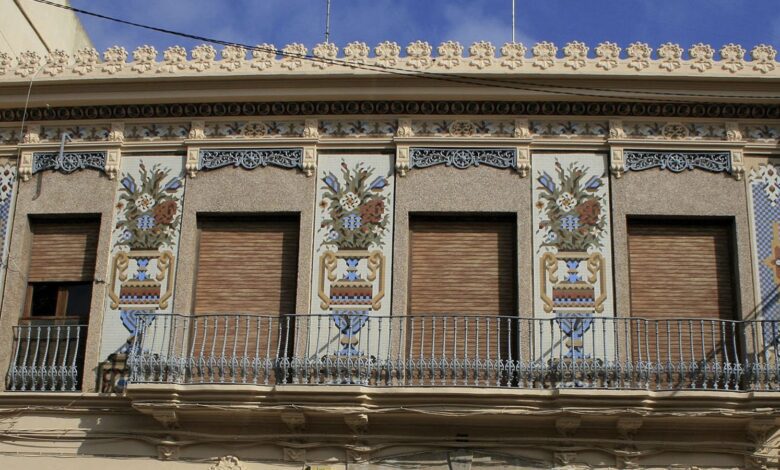
In recent years, Spain has seen an unexpected surge of interest in Nolla ceramic floors. Once considered a thing of the past, they now adorn some of the country’s most prestigious homes and boutiques. Iconic geometric patterns, which were all but forgotten, are reappearing in mansions, historic buildings, and even modern interiors.
In Madrid, Barcelona, and Valencia, property owners and designers are increasingly choosing these mosaics for their projects. Villa Josie in La Mancha, the restored Villagonzalo palace in the capital, and the Hermès boutique in Barcelona all have one thing in common: floors covered with Nolla tiles, which were once seen as a symbol of bourgeois taste and technological progress.
The revival of a forgotten art
Nolla mosaics originate from the small town of Meliana in the Valencian Community. Their story began almost a century and a half ago, when an enterprising factory founder introduced the market to uniquely durable and beautifully designed ceramic tiles. Each tile measured just 3.8 by 3.8 centimeters, making it possible to create intricate ornaments and patterns inspired by Art Nouveau and Oriental motifs.
At the beginning of the 20th century, these floors were a sign of wealth and modern taste. They perfectly fit the hygienist trends of the era, when homes valued light, cleanliness, and bright colors. However, tastes changed over time: larger and easier-to-install materials replaced the mosaic. Many homeowners simply covered the old floors with new finishes, not appreciating their historical and artistic value.
Why Nolla is back in style
Today, the renewed interest in Nolla mosaics is driven by the desire for individuality and a return to roots. In an age when interiors are becoming increasingly alike, unique details take on special significance. For many Spaniards and visitors, these floors are not just a decorative element but a part of family history—a reminder of parents’ and grandparents’ homes.
Designers note that Nolla mosaic is a perfect fit for contemporary interiors that prize a balance of tradition and innovation. Its geometric patterns evoke pixels, and the wide range of color options allows for both classic and ultra-modern compositions. It’s no surprise that even global design stars like Jaime Hayon choose these floors for their studios and homes.
The role of enthusiasts and researchers
The renewed interest in Nolla has become possible thanks to the efforts of researchers and enthusiasts. The Ceramic Research Center in Valencia is working to popularize this heritage, as well as restore historic buildings where original floors have been preserved. Their work is helping more people discover the value and beauty of these mosaics.
Many Valencia residents admit that they used to overlook the antique tiles in their homes. Now, they proudly show them to guests and even look for ways to restore missing pieces. Not only are the mosaics themselves coming back into style, but also the approach to interior design that values history and individuality.
Mosaic as part of the cultural identity
Nolla floors are not just decorative elements—they’re an important part of Valencia’s industrial and artistic heritage. It was here that the technologies were developed which later formed the basis for modern porcelain tiles. Experts note that producing these tiles in the 19th century was a real technological breakthrough for the region.
Today, every newly discovered or restored pattern is an event for collectors and architecture enthusiasts. Nolla mosaics have once again become a source of pride for Spaniards, and their popularity continues to grow. Vintage floors are no longer hidden—instead, they are put on display, turning them into the centerpiece of the interior.