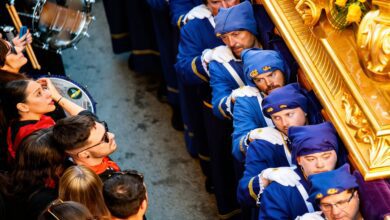
In Catalunya, more and more people are losing touch with the meaning of religious holidays. According to recent data, one in five residents cannot explain what is celebrated at Christmas. This gap is especially pronounced among young people: a third of respondents aged 16 to 25 struggled to name the reason for the holiday. For many, traditional songs and customs are simply part of the background, losing their original significance.
A study conducted as part of the regular barometer shows that knowledge of religion and its symbols declines each year. While about 80% of older generations answer questions about the essence of Christmas correctly, the figure is much lower among young people. Overall, 20% of all respondents could not explain the significance of December 25.
Youths and religion
The highest level of unfamiliarity was recorded among those aged 16 to 25, where nearly one in three could not name the reason for the holiday. The situation is slightly better in other age groups, but the generation gap is becoming increasingly apparent. Traditions once passed down orally are now losing relevance for younger generations.
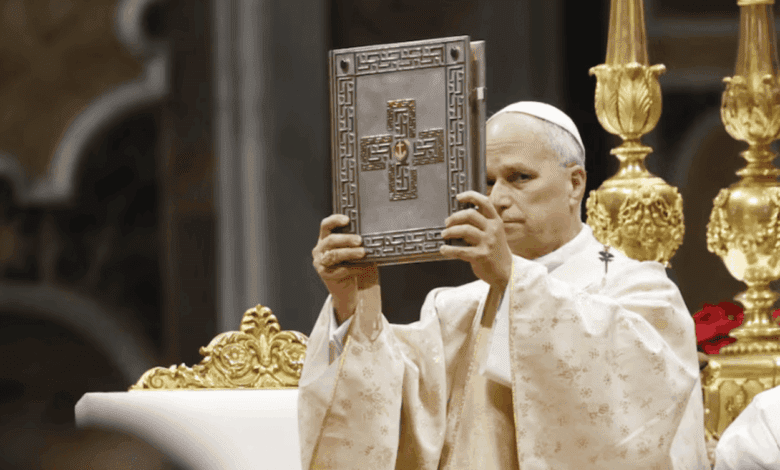
The decline in interest toward religious knowledge is not limited to Christianity. Questions about other religions are also challenging. For example, only 63.9% of Catalonia’s residents know who the Pope is, and just 67.5% are familiar with the rules of fasting during Ramadan. When it comes to other faiths—Orthodoxy, Judaism, Buddhism, Protestantism, and Jehovah’s Witnesses—the rate of correct answers does not exceed 40%.
Religious identity
Despite the decline in knowledge, the majority of Catalans still identify with a religion. Around 73% of respondents said they belong to a particular faith. Among them, Catholics are the largest group—nearly 57% of the population. Islam is practiced by 7%, while 4% of respondents associate themselves with Protestant or Evangelical churches. At the same time, 14.5% of Catalonia’s residents call themselves atheists, and 11.8% are agnostic.
Interestingly, women and older people display a higher level of religious identification than men and youth. This confirms the trend that people tend to turn to traditional values and religious beliefs as they age.
Education and the future
Amid growing diversity and declining knowledge of religion, most Catalans support introducing a course on world religious culture in schools. Some 74% of respondents favored this initiative. The proposal is gaining importance, as religious literacy decreases and society becomes ever more diverse.
The study reflects not only changes in knowledge, but also in attitudes toward religion as a whole. For many Catalans, religious holidays are becoming more of a cultural event than an occasion for spiritual reflection. As traditions lose their significance, the question of religion’s role in the future of society is becoming increasingly pressing.