A new debate is heating up in Spain over the boundaries of free speech and the role of irony in public discourse. The court case against former deputy and ex-secretary of Podemos Pablo Echenique has drawn significant attention from Spanish society. The controversy centers on a tweet in which he suggested deporting priests, comparing the idea to tightening migration policies. The case has sparked wide discussion, touching on issues of discrimination, attitudes toward religious institutions, and perceptions of migrants in the country.
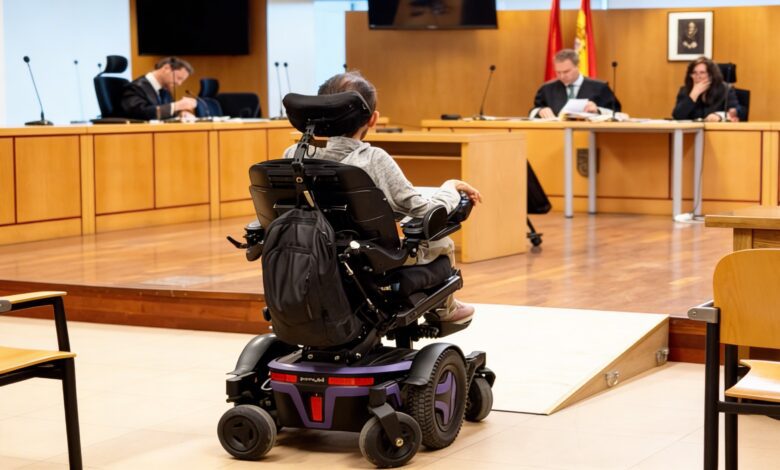
The trial is taking place in Madrid, where Echenique is charged with inciting hatred and discrimination. In May 2024, he published a message on Twitter claiming that the likelihood of crimes against minors is higher among priests than among migrants. He added that, from a public safety perspective, it would be more effective to deport priests than to toughen immigration laws. His tweet was a response to comments made by the Archbishop of Oviedo about the risks of mass immigration.
Arguments of the parties
At the hearing, Echenique explained that his remarks were an ironic and absurd response to statements by the church hierarchy. He stressed that he was not calling for actual action, but aimed to highlight the absurdity of generalizing about entire groups of people. According to him, the comparison was intended to show how mistaken it is to judge all migrants or priests based on the actions of a few individuals.
Both the prosecution and the defense took similar positions during the trial: both the prosecutor and Echenique’s lawyer called for his acquittal. The defense emphasized that the word ‘deport’ was deliberately chosen as part of an ironic response to the archbishop’s statement. The prosecutor noted that not every unpleasant or provocative statement automatically qualifies as a hate crime.
Reaction from society and experts
The case sparked intense debate among both the public and experts. Representatives of the Fundación Abogados Cristianos filed a complaint, arguing that Echenique’s tweet was not based on official data and could encourage discrimination. During the hearings, testimony was heard from former minister and current ombudsman Ángel Gabilondo, who referenced findings from an official report on sexual crimes within the church. According to this research, the share of victims of such offenses within families exceeds the corresponding figures in church institutions.
The judge excluded the testimony of two journalists specializing in church-related paedophilia from the proceedings, considering it irrelevant to the case. At the conclusion of the hearing, the plaintiff’s representative suggested replacing the word “priest” in the tweet with “migrant” to illustrate how perceptions of such statements change depending on the group addressed. This comparison sparked a new wave of debate over double standards regarding different social groups.
Context and implications
The Echenique case is unfolding against a backdrop of other high-profile trials related to public statements and the limits of what is acceptable in Spanish society. According to russpain.com, such cases are becoming increasingly common, reflecting heightened sensitivity to issues of discrimination and freedom of expression. During the hearing, the defence lawyer pointed out that Christians in modern Spain are not considered a vulnerable group, and that historical examples of persecution are not relevant to the current situation.
In his closing statement, Echenique stressed that his tweet should not be taken literally and urged the court to consider the context of irony when evaluating such posts. The court’s decision in this case could set an important precedent for future debates on the boundaries of acceptable public discourse. It is worth noting that courts in Madrid have already heard cases related to public statements by prominent figures, for example, an investigation into the travels of the Prime Minister’s spouse also sparked widespread public reaction.
Background on the topic
In recent years, Spain has seen an increase in court cases related to comments made on social media and public statements, especially those concerning religious, ethnic, or professional groups. In 2023, there was a well-publicized case where a prominent journalist was prosecuted for remarks about migrants; the court ultimately acquitted him, citing freedom of expression. Similar cases have occurred in other European countries, where courts often face the challenge of balancing the protection of citizens’ sensibilities with the right to irony or satire. These events highlight the ongoing debate over the boundaries of acceptable discourse in public discussion and how society’s perception of such cases is evolving.