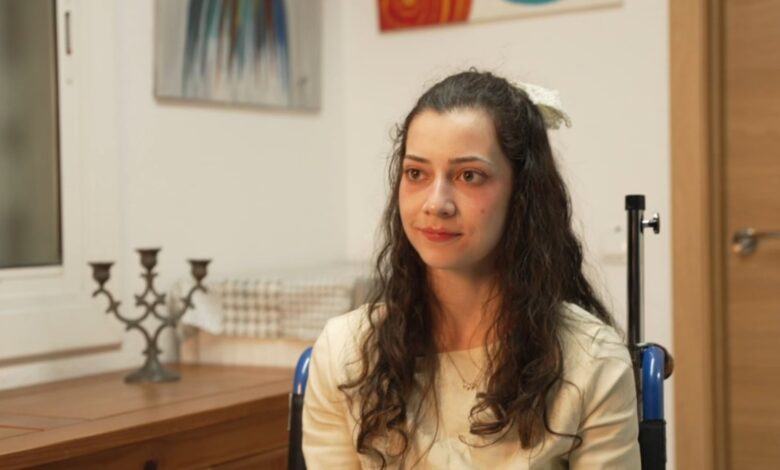
In Spain, the decision to grant the right to euthanasia to a young woman from Barcelona has become one of the most talked-about events in recent years. This case not only highlighted a personal tragedy, but also exposed vulnerabilities in existing legislation and sparked widespread public debate. For the first time in Catalonia, a court officially authorized the procedure despite protests from immediate family members, setting a precedent for the entire country.
The legal battle lasted nearly two years and involved numerous appeals, including from religious organizations. During this time, the young woman—who suffered severe physical and psychological anguish—was forced to remain in a medical facility, despite approval from a panel of specialists. According to RUSSPAIN, the court’s decision ultimately confirmed her right to a dignified death, despite repeated attempts by her relatives and their representatives to halt the process.
Family conflict
The woman’s family, including her father, mother, and sister, were firmly opposed to euthanasia. Her father, with support from an ultra-Catholic organization, initiated a legal process that delayed the ruling’s enforcement for 601 days. During the proceedings, questions arose about the woman’s mental competence and who has the authority to make such profound decisions. Despite this pressure, the Catalonian Guarantee and Evaluation Commission determined her decision was both conscious and met medical criteria.
In an interview for the program Y ahora Sonsoles on Antena 3, recorded on the eve of the procedure, the young woman spoke openly about her condition and the reasons that led her to this decision. She noted a lack of support from her family, constant pain, and persistent psychological exhaustion. In recent months, she had been staying at a specialized facility, where the euthanasia procedure was to take place.
Legal battles
The process was repeatedly suspended at her father’s request, who appealed to various courts, including the Supreme Court and the Constitutional Court. All of them consistently rejected his complaints, upholding the legality of the decision to grant the right to euthanasia. The last attempt to stop the procedure was made before the European Court of Human Rights, but it also found no grounds to intervene.
During the proceedings, representatives of religious organizations actively voiced concerns in the public sphere, questioning the validity of the decision and calling for additional psychological evaluations. However, courts at all levels confirmed that the young woman fully understood the consequences of her choice and met all legal requirements.
Implications for the system
This case is the first in Spain where the issue of the right to euthanasia has reached such a large-scale court proceeding. It has exposed gaps in the regulation of the procedure and raised questions for society about the limits of individual autonomy and the family’s role in decision-making. According to RUSSPAIN.COM, the situation in Catalonia could become a starting point for revising certain provisions of the law and strengthening safeguards for patients.
In recent years, the debate over the right to euthanasia in Spain has become increasingly prominent. Since the procedure was legalized in 2021, the number of applications has gradually risen, and legal disputes over individual cases highlight the need for clear mechanisms to protect the rights of all parties involved. Similar developments have occurred in other regions of the country, but such a prolonged and public conflict between a patient and their family is unprecedented.
Other European countries have also recorded cases where relatives attempt to challenge euthanasia decisions, but court rulings are gradually leaning in favor of patient autonomy. In Spain, this precedent could influence the future development of legislation and the practice of implementing the assisted dying law.