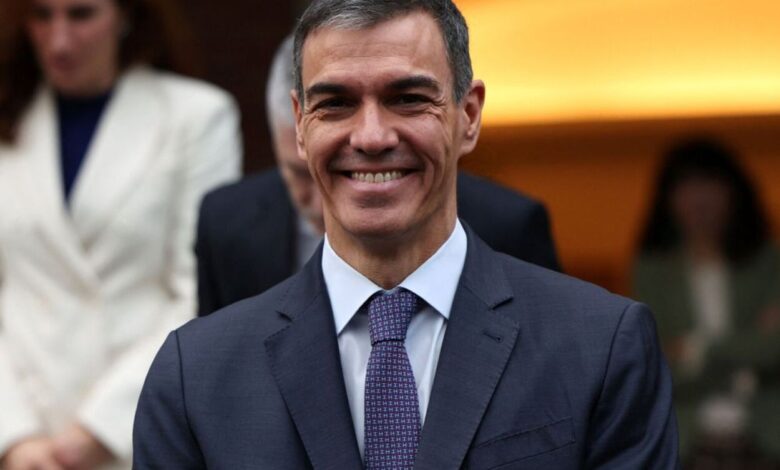
Paris has once again become a magnet for European leaders, as heads of state gather here to discuss the next steps in supporting Ukraine. Spain is represented at this meeting by Pedro Sánchez, making his first foreign trip of the new year. His arrival in the French capital comes amid heightened international tensions—following recent events in Venezuela involving US actions, attention toward European diplomacy has only grown.
Sánchez is not attending the traditional Easter gathering at the palace, where Spanish military leaders and King Felipe VI usually come together. Instead, he is focusing on international affairs, highlighting Madrid’s priorities regarding security and peace on the continent. In Paris, representatives from thirty countries have joined what is known as the Coalition of Volunteers—an alliance initiated by France and the United Kingdom to coordinate aid to Kyiv.
The coalition and new challenges
The coalition’s leaders last met in December, but that was limited to a videoconference. Now, meeting in person, the talks promise to be much more substantive. On the agenda are concrete commitments to Ukraine’s defense and efforts to chart a path toward lasting peace in Europe. French President Emmanuel Macron insists that the time has come not just for words but for action.
A key aspect is the participation of Volodymyr Zelensky, who arrived in Paris in person. His presence lends special significance to the meeting: the Ukrainian leader is counting on new guarantees and support, as the situation at the front remains extremely difficult. Despite internal disagreements, European allies continue to present a united front on Ukraine’s security. Behind the scenes, however, things are less straightforward: each country has its own interests, and reaching compromises is no easy task.
Spain’s stance
For Spain, taking part in the coalition is more than an act of solidarity. Madrid seeks to strengthen its position in European politics, demonstrating that the country is ready to take responsibility and influence decisions that will shape the continent’s future. Sánchez is focusing on diplomatic tools but does not rule out more proactive measures if circumstances require.
Behind closed doors, the summit is addressing not only military aid, but also economic support, infrastructure restoration, and humanitarian projects. The Spanish delegation insists that assistance to Ukraine should be comprehensive, not limited solely to the military sphere. This approach resonates with some European partners, but others are skeptical—especially as costs mount and fatigue from the drawn-out conflict increases.
Background and outlook
Alongside the Paris meeting, negotiations continue at other venues. Zelensky recently met with Donald Trump in Florida to discuss a possible peace plan, though no concrete results have been achieved so far. In Brussels, the Ukrainian president is also holding talks with NATO and European Commission leaders, seeking support on all fronts.
Across Europe, there is a growing understanding that without coordinated efforts, halting the escalation is impossible. However, there’s no single solution, and each new meeting is an attempt to find a balance between national interests and collective security. Despite internal disputes and economic challenges, Spain continues to play a significant role in this process.
Challenges for Europe
The Paris summit served as another reminder that the war in Ukraine is not just one country’s problem, but a challenge for the entire European community. The decisions made here could shape the continent’s future for years to come. Sánchez and his counterparts now face a difficult choice: how to maintain unity without sacrificing their own interests.
The question of how far European leaders are willing to go in supporting Ukraine remains unresolved. But one thing is clear: Spain has no intention of standing on the sidelines. And this choice may well become a defining factor for all European policy in the coming years.