Spanish Society and the Forgotten Lessons of the Past
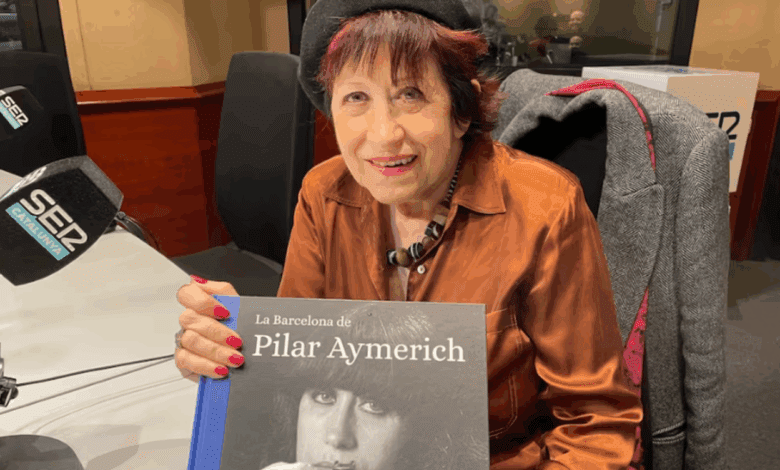
Pilar Aymerich, a renowned photographer from Barcelona, witnessed the sweeping changes Spain has undergone over the past fifty years. Her youth unfolded during an era of strict censorship and limitations, when any expression of freedom met resistance. Today, decades after Franco’s regime fell, she notes with concern that a significant segment of Spaniards recalls that era as prosperous. More than 21% of the population considers the years of dictatorship to have been a time of stability and order. For those who fought for change, these figures are alarming. Aymerich believes that society has failed to convey to new generations what life under dictatorship truly meant.
Personal Memories and Fears of the Past
Aymerich’s memories of childhood and youth are tinged with darkness. She emphasizes that forty years of the regime deprived her and many of her peers of freedom of choice and simple pleasures. Back then, even one’s appearance could lead to trouble: strict rules governed everything, from clothing to behavior in public. In her view, today’s youth do not realize just how restricted their parents’ and grandparents’ lives were. The reason is a culture of silence, rooted in years of fear. Even close relatives rarely shared their stories, afraid of the consequences. Only after Francisco Franco’s death did many dare to speak about what they had endured—but by then, the moment had already passed.
The First Years of Freedom and the Fight for Rights
The period after 1975 was a time of hope and change for Barcelona. The city was buzzing with energy: people took to the streets, demanded respect for their rights, and felt part of a new era. Aymerich was actively involved in these events, capturing the first mass demonstrations on film, including protests by journalists. Yet even then, freedom was relative: censorship remained a threat, and access to information was restricted. Journalists and photographers faced many obstacles, and publications could be banned for months. A change in government did not mean the immediate end of repressive mechanisms—they continued to influence society for a long time.
Women in the Profession and the Birth of Feminism
For Aymerich, entering the profession was especially challenging due to gender stereotypes. Photojournalism was seen as a man’s job, and she had to find creative ways to work alongside her colleagues. She recalls disguising herself as an ordinary passerby to avoid police attention at rallies. These tricks allowed her to remain unnoticed and capture unique images. Taking part in the first feminist demonstrations in Barcelona became a crucial part of her life. She documented historic moments when thousands of women with different views united for common goals: the right to divorce, freedom of choice, and the abolition of outdated laws. These events marked a turning point for the women’s movement in Spain.
Remembering the Dictatorship and Today’s Challenges
Today, Aymeric notes with regret that the younger generation does not realize the cost at which freedom was won. She believes that society has failed to pass on the experience and knowledge of the past. As a result, many view the dictatorship as something distant—or even positive. For those who lived through those years, this attitude seems dangerous. Aymeric is convinced that only an honest discussion of the past can help prevent repeating mistakes and preserve democratic values for future generations.