A new wave of debate has erupted in Spain after Pope Leo XIV voiced concerns about the rise of far-right ideologies and their attempts to use the church for political purposes. This statement created noticeable tension among Spanish bishops and sparked heated discussions about the role of religion in the country’s public life. The question of how the church should respond to political challenges has once again come to the forefront.
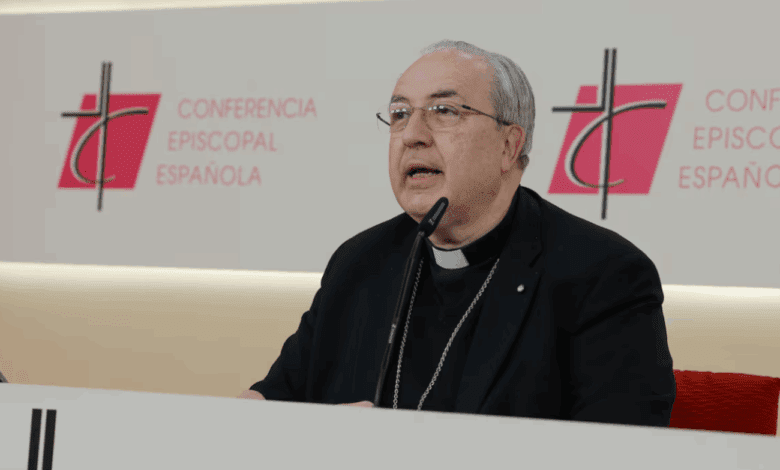
According to El Pais, representatives of the Spanish Bishops’ Conference (CEE) at a press conference declined to answer directly when journalists asked whether the Pope had indeed warned them about the growing influence of the far right. CEE spokesperson Cesar Garcia Magan repeatedly avoided giving a clear response, instead referring to a previously released statement from the commission. That document only mentioned the risks of subordinating faith to political ideas, without naming specific groups or parties.
The church’s response
On the same day, the Vatican confirmed that Pope Leo XIV had indeed drawn Spanish bishops’ attention to the dangers of manipulation by radical movements. According to El Pais, this caused confusion within church circles and sparked discussions about the effectiveness of CEE’s communication strategy. Some sources inside the organization believe that issuing an official response to the journalistic investigation signaled a loss of control over information and internal processes.
The CEE Secretary declined to disclose details of the meeting with the Pope, emphasizing that the conversation was private. He also refused to confirm or deny reports that the Pope mentioned the Vox party by name. At the same time, a church spokesperson denied rumors that the Vatican allegedly forced Spanish bishops to sign an agreement with the government regarding compensation for victims of church abuse.
Political background
In recent months, Spanish bishops have faced criticism from ultracatholic groups and some political forces, including the Vox party. The reason was the CEE’s support for initiatives to legalize migrants and its cooperation with the government on social issues. Accusations against church leaders appeared on social media and in the press, as well as provocative materials created with artificial intelligence portraying the head of the bishops in a negative light.
When asked about such attacks, church representatives respond cautiously, noting that their task is to follow the church’s social doctrine, even if this causes dissatisfaction among different groups. At the same time, they stress that their main concern remains social unity and preventing further polarization.
Risk of division
The CEE secretary specifically highlighted the issue of deepening divisions within Spanish society. According to him, the danger arises when disagreements escalate into hostility and opponents begin to be seen as enemies. Church leaders believe this situation can negatively affect not only secular society but also Christian communities.
The question of how deeply the church should be involved in political processes remains open. As religious organizations face pressure from various sides, their stance becomes especially significant for the future of public dialogue in Spain.
In recent years, Spain has repeatedly experienced situations where the church found itself at the center of political controversy. For instance, in 2024, the role of religious organizations in matters of migration and social support was discussed. At that time, disagreements also arose between the church and political parties, leading to heated debates within society. Such cases show that the relationship between church and politics continues to be relevant and sparks considerable public debate.